
The Seed Oil Debate
Categories
- All Posts
- Wellness in Business
- Nutrition Bites
- Exercise Moves
- Fitness Files
- Prevention Plus
- Vitamin Aisle
- Recipes - Entrees
- Recipes - Side Dishes
- Recipes - Snacks
- Recipes - Desserts
- Recipes - Breakfast
- Recipes - Appetizers
- Recipes - Salad
- Recipes - Soups
- Cooper Stories
- Self-care
- Dr. Cooper's 8 Healthy Steps
- Skin Care
There is recent chatter among social media influencers that seed oil is unhealthy and may cause serious harm. In fact, 28% of Americans say they intentionally avoid seed oils and many are replacing them with saturated fats such as butter and beef tallow.
What Are Seed Oils?
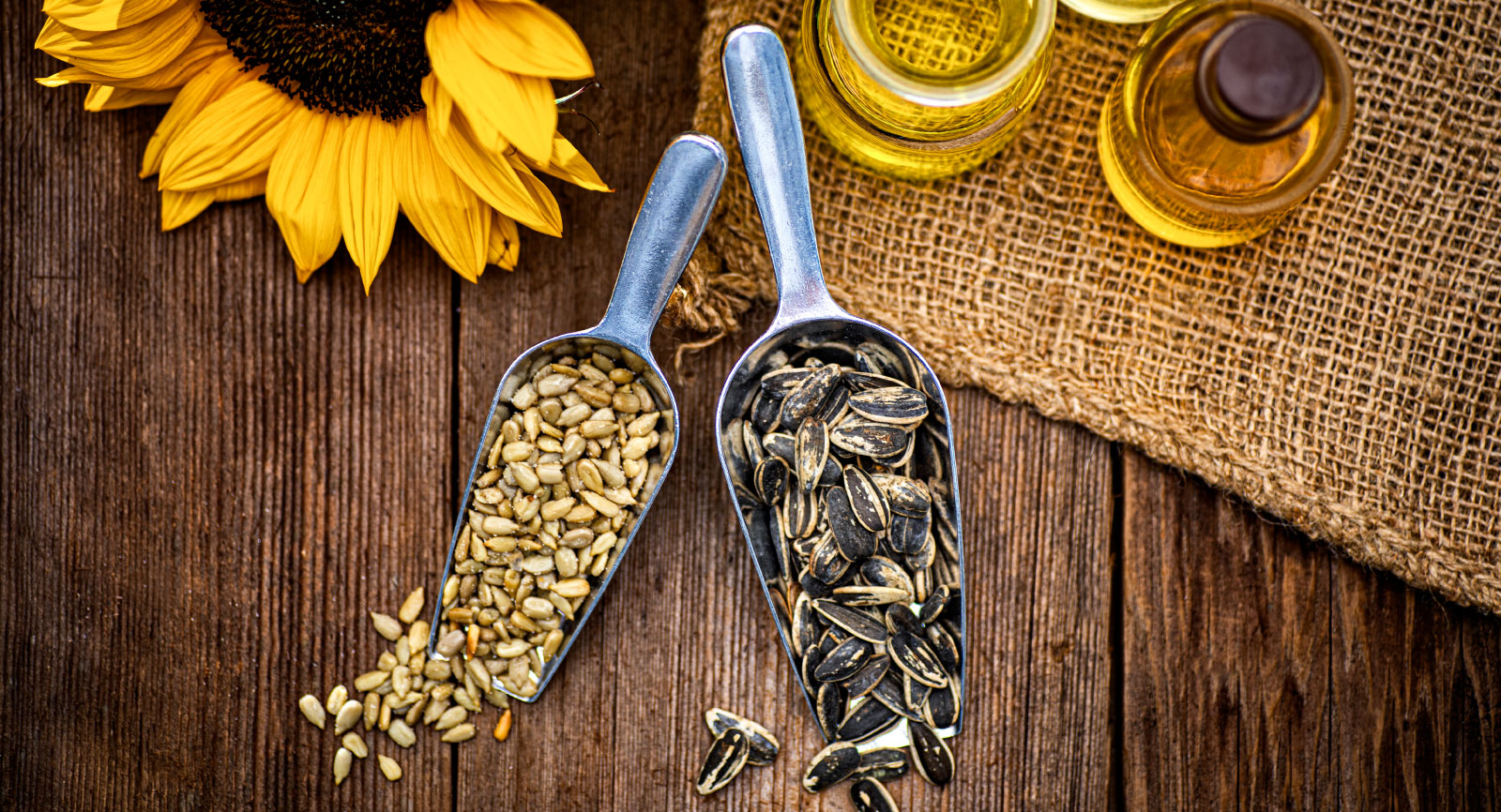
Seed oils come from the seeds of plants as the name suggests. Examples are:
- Canola (aka “rapeseed” oil in Europe)
- Corn
- Cottonseed
- Soybean
- Coconut
- Safflower
- Sunflower
- Sesame
- Rice bran
- Flax
- Walnut
- Almond oils
Non-seed oils come from fruits and include olive, avocado and palm oil.
What Are the Claims Against Seed Oils?
The negative claims suggest seed oils can increase inflammation, cause heart disease and diabetes and increase oxidative stress in the body. These allegations have been debunked by long-running, science-based research. Seed oils can in fact have health advantages because of their unsaturated fat composition which has been well-founded in human research.
Guilt By Association
Seed oils have been found guilty by association because they are commonly used for commercially fried foods and ultra processed—foods–fast food, French fries, snack cakes, chips and many other packaged products. These foods include other ingredients that are often high in added sodium, sugar and refined starches which are more detrimental to our health than the seed oils themselves. The seeds oils used to make these products are extensively processed, which removes a lot of the naturally occurring vitamins and antioxidants. These foods often lack fiber, protein and other healthy nutrients.
Claim #1: Seed Oils Cause Inflammation
This claim is driven by the outdated thinking omega-6 fats increase inflammation because they are converted from linoleic acid to arachidonic acid, a precursor of inflammatory markers. This has been found to be true in mice and rats who don’t react to linoleic acid the way humans do. Research in humans has found arachidonic acid is a building block for anti-inflammatory compounds. While omega-6 fats in seed oils are anti-inflammatory, according to the American Heart Association, omega-3 fats are more anti-inflammatory. It’s more about striking the right balance of omega-6 and omega-3 fats than all together avoiding omega-6 fats in seed oils.
Claim #2: Seed Oils Are Highly Processed
Seed oils go through a process which involves heat and solvents, such as hexane, extracting the seeds and removing impurities to create mild-flavored, clear and safe oil for higher heat cooking (above 400-450 degrees). This processing reduces the chance of the oil becoming rancid via oxidation. This heating process leaves little residual hexane that is too low to be toxic; also, it evaporates in the heating process. As a side note, low quality olive oil (olive pomace oil often used in food service) is processed using hexane. Extra virgin olive oil is not.
Claim #3: Seed Oils Lead to Heart Disease and Diabetes
Seed oils have been accused of causing several chronic diseases, such as heart disease and diabetes. A large prospective observational study of 128,000 people over 30 years reporting their dietary intake showed one may reduce their risk of cardiovascular disease 25% by replacing 5% of calories from saturated fat—from high-fat dairy, lard or red meat—with the same amount of foods containing unsaturated fats found in seed oils or fish. Seed oils have also been criticized for causing diabetes; however, 102 randomized control studies have shown swapping 5% of saturated fats with unsaturated fats can lower blood sugars and reduce insulin resistance associated with diabetes.
Claim #4: Seed Oils Cause Oxidative Stress
Oxidative stress has been at the root of some negative press against seed oils. This happens when excess free radicals that are unstable cause cell, tissue and DNA damage, which is a factor in many chronic diseases. Because of their high linoleic content, these oils are highly susceptible to oxidation. Yet the human body is equipped to counterbalance the effect of free radicals as it contains antioxidants to do so. To prevent rancidity, store seed oils in a dark, dry location at room temperature and use opened bottles within a few months.
Bottom Line
When it comes to which oils you choose, weigh in on the science from reliable and validated sources. Seed oils can be a healthy part of one’s overall diet when balanced with other fats found in monounsaturated fats in olive and avocado oils and omega-3 fats in seafood such as salmon and tuna and nuts and seeds including almonds, walnuts, flax and chia seeds.
The motto “all foods can fit” is a flexible and sustainable lifestyle approach. The next time you go to the grocery store, fill your cart with less processed food and more produce, lean proteins, whole grains and healthier fats primarily from unsaturated sources.
Using Seed Oils in Healthy Dishes
- Stir-Fries: Sauté vegetables and chicken or lean steak using canola or peanut oil.
- Roasted Vegetables: Toss vegetables (broccoli, butternut squash, sweet potatoes) in sunflower or canola oil before roasting.
- Baking: Use sunflower oil in whole-grain muffins as a healthier fat source.
- Salad Dressings: Use sesame oil or other cold-pressed oils for vinaigrettes, such as a flavorful Asian dressing.
- Crispy Baked Fries: Toss potato wedges in a small amount of canola, peanut or grapeseed oil to bake or air fry until crispy.
If you would like to seek out more specific nutrition guidance, contact Cooper Clinic Nutrition and meet with a registered dietitian nutritionist who will tailor the best plan to fit your needs. Visit cooperclinicnutrition.com or call 972.560.2655.
Article provided by Elana Paddock, RDN, LD, CDCES, CHWC and Cooper Clinic Nutrition