
The Best Prenatal Vitamins and Minerals for Expecting Moms – Cooper Complete
Categories
- All Posts
- Wellness in Business
- Nutrition Bites
- Exercise Moves
- Fitness Files
- Prevention Plus
- Vitamin Aisle
- Recipes - Entrees
- Recipes - Side Dishes
- Recipes - Snacks
- Recipes - Desserts
- Recipes - Breakfast
- Recipes - Appetizers
- Recipes - Salad
- Recipes - Soups
- Cooper Stories
- Self-care
- Dr. Cooper's 8 Healthy Steps
- Skin Care
Taking prenatal vitamins before and during pregnancy helps supplement a healthy diet for expecting mothers. During pregnancy, a baby gets its vitamins and nutrients from the mother through the placenta, which transfers essential substances needed for growth and development. Therefore, mothers need to get the best prenatal vitamins and minerals from their diets†.
Yet, only five percent of American women ages 19-30 eat the USDA-recommended number of vegetables and fruits that contain these vitamins. Poor nutrition underscores the importance of prenatal vitamins in helping mothers and their unborn children obtain sufficient levels of essential nutrients during pregnancy†. Many physicians also recommend taking prenatal vitamins before pregnancy.
According to the CDC, taking prenatal vitamins before and during pregnancy can reduce neural tube defects (NTDs) by up to 70%. Specifically, the report states this risk is prevented “if a woman has enough folic acid in her body at least one month before pregnancy.” If nutrition is this important for a healthy birth, what vitamins are the best prenatal vitamins for mothers to take?
Because more than half of all pregnancies are unplanned, it’s smart for women of childbearing age to take a daily multivitamin with key nutrients like folic acid, iron, and vitamin D, as part of their routine, regardless of their plans regarding pregnancy†.
Most Important Prenatal Vitamins for Mothers
Table of Contents
Folic acid for healthy growth and development†
One of the best prenatal vitamins for pregnant mothers is folic acid†. High levels of folic acid for an expecting mother help reduce birth defects of the brain and spine†. In addition to reducing Spina Bifida in newborns, new evidence suggests that folic acid also helps prevent heart defects and cleft palates†.
The CDC and other organizations like the March of Dimes recommend expecting mothers take 600 mcg of folic acid daily. Consuming foods labeled “fortified” or “enriched” in bread, cereals, or pasta contains extra B vitamins, including folic acid. Additionally, dark, leafy vegetables and citrus fruits are excellent sources of folic acid. Taking a complete multivitamin, prenatal vitamin, or supplemental methyl folate will ensure you receive adequate amounts of folic acid†.
For example, Cooper Complete Original Multivitamin With Iron and Basic One Multivitamin With Iron contain 200 mcg of folic acid per serving, while Cooper Complete Methyl Folate offers 5000 mcg to supplement folic acid consumed through diet.
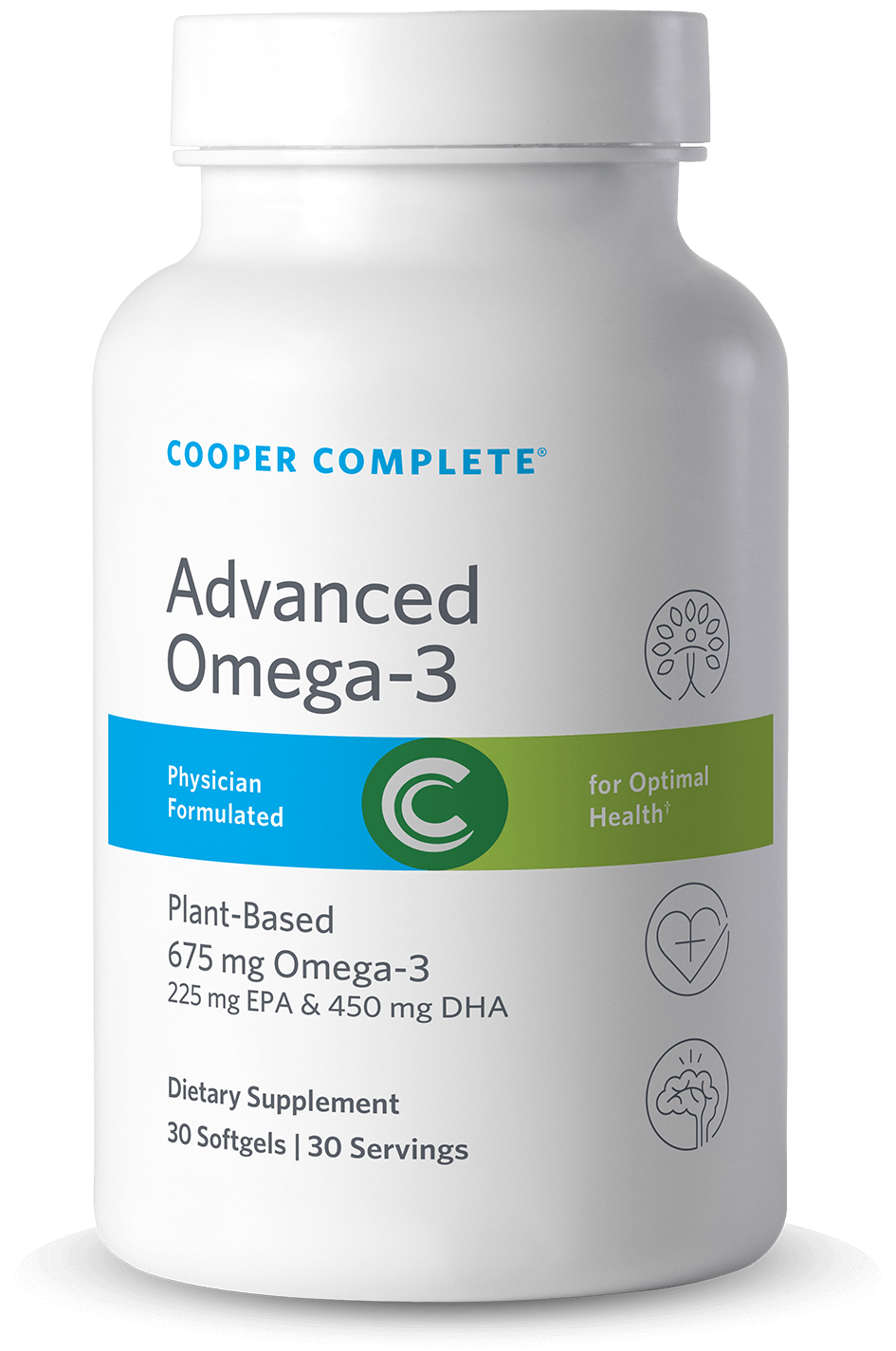
Advanced Omega-3 Supplement
Omega-3 support for heart, brain, and joint health. A concentrated omega-3 providing EPA and DHA.
$23.98 Shop Now(Bonus: Learn about the different forms of folic acid and how this vitamin benefits the body†.)
Omega-3: DHA and EPA to develop a healthy brain and eyes†
While not a vitamin, omega-3 fatty acids are an essential nutrient for a baby’s physical development†. Primarily, the DHA (docosahexaenoic acid) in omega-3 fatty acids plays a crucial role in the development of a baby’s brain and eyes†. Omega-3s are also known for reducing inflammation and lowering triglycerides in adults†. Therefore, consuming omega-3 can benefit not only a baby’s physical development but a mother’s body in unique ways†. For more information, the omega-3 advocate and non-profit organization GOED has created an infographic highlighting the benefits of omega-3s for pregnant mothers and their children.
The March of Dimes recommends at least 200 mg of DHA daily during pregnancy. Fish, like salmon, is a great way to meet this need. It is recommended to eat around 8 to 12 ounces of fish per week. Omega-3 fish oils are also a popular and convenient way to meet this daily need†.
(Bonus: Learn about the health benefits of omega-3 fatty acids†.)
Vitamin D builds immune health and nerve systems and helps calcium absorption†
Vitamin D is an essential nutrient that supports multiple systems in both mother and baby†. First, it helps a mother’s immune system stay active and run efficiently†. Second, it helps deliver calcium to her baby for bone and teeth development†.
Vitamin D is most commonly absorbed by the skin from direct sunlight. However, many factors can limit vitamin D absorption, such as the time of year, skin color, and the amount of sunscreen used. However, excessive sunlight can also exacerbate the signs of aging and increase the risk of skin cancer.
Foods such as salmon or fortified cereals also contain small amounts of vitamin D. Prenatal or multivitamins are a great way to get the recommended 50 mcg (2000 IU) of daily vitamin D, as recommended by the Cooper Clinic and most health groups.
For reference, Cooper Complete Original With Iron and Basic One With Iron contain 50 mcg (2000 IU) per serving to help compensate for the low bioavailability of vitamin D in most situations. Cooper Complete also offers single-ingredient vitamin D supplements for those who need additional levels.
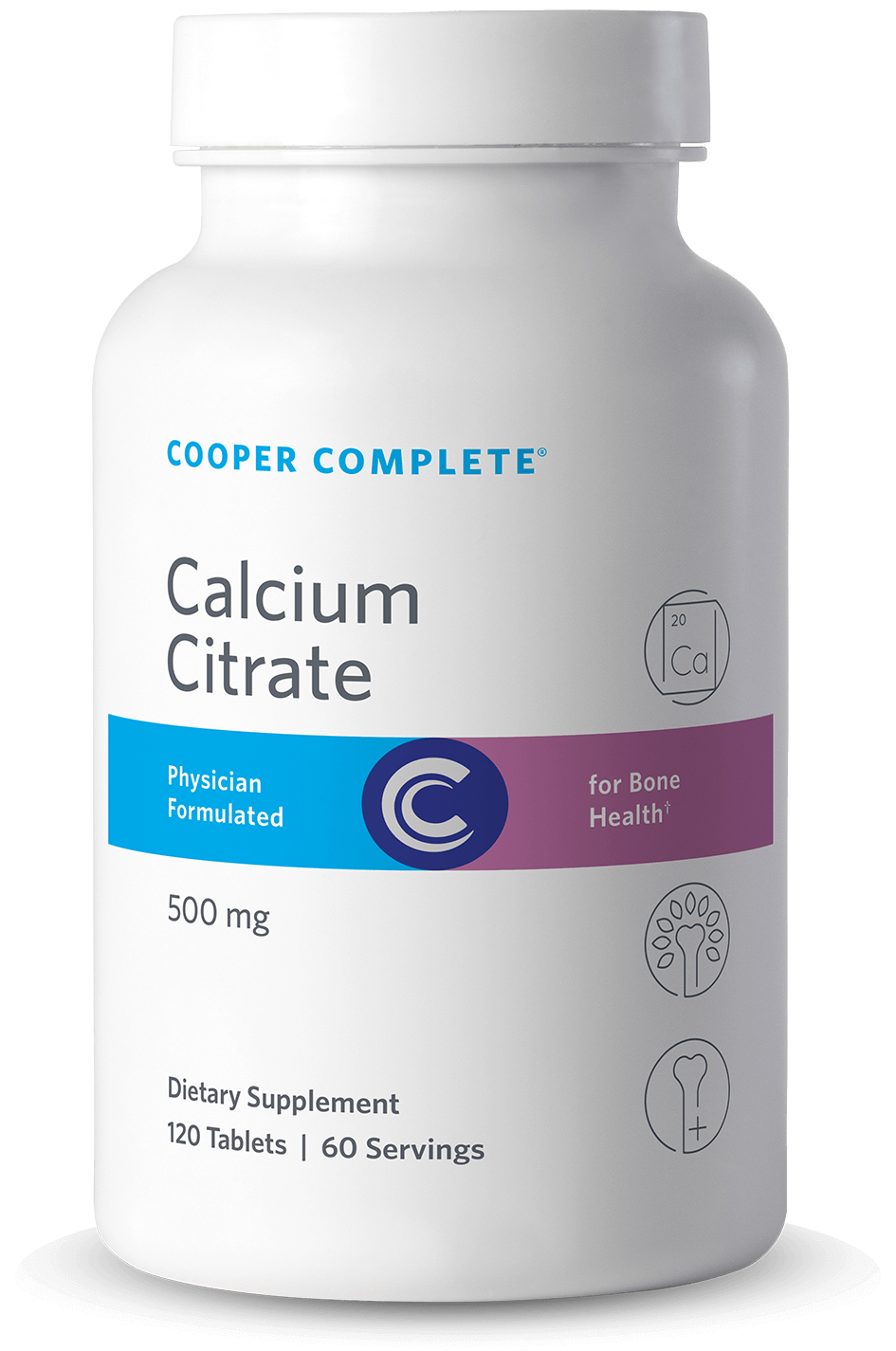
Calcium Citrate Supplement 500 mg
Straightforward, single-nutrient calcium citrate support for bone health.
$22.48 Shop Now(Bonus: This blog about vitamin D details ways optimal vitamin D benefits your body†.)
Iron to move oxygen to a Mother’s child
Iron is an essential prenatal mineral for expectant mothers†. Iron is responsible for transporting oxygen throughout the body and to a mother’s child†. Specifically, to a baby, lower iron levels in mothers increase the risks of premature birth and a low-birthweight baby. Low iron levels can lead to increased fatigue, anemia, and infections in a mother.
Pregnant women should consume approximately 27 mg of iron daily through a balanced diet and prenatal vitamins. Meats, vegetables, beans, and dried fruits are all good sources of iron for the body.
Cooper Complete Basic One Multivitamin With Iron and Original Multivitamin With Iron both contain 18 mg of iron, which can be combined with the iron consumed daily to meet these needs. If higher levels of iron are required, a standalone iron supplement has 29 mg of iron that’s gentle and highly absorbable†.
(Bonus: Learn more about how iron works in the body.)
Calcium for bones, muscles, and nerves†
Calcium is the most essential prenatal mineral for maintaining healthy bones and teeth†. Partnering with vitamin D, calcium also helps develop heart muscles and the nervous system†.
Calcium is naturally present in dairy products, including milk, cheese, and yogurt. Dark leafy vegetables like spinach and kale are excellent sources of calcium. 1000 mg of calcium is the recommended amount per day for a pregnant woman. This is because babies will take calcium from their mother’s bones if there is not enough in her diet. Health conditions like osteoporosis are more likely to arise when this happens†.
Calcium supplements may help support adequate calcium intake when dietary sources fall short†. For instance, taking two Cooper Complete Calcium Citrate Supplements daily adds 500 mg to your diet, in addition to what is naturally consumed.
(Bonus: This blog about calcium answers lots of questions†.)
Frequently Asked Questions About Prenatal Vitamins
What are prenatal vitamins?
Prenatal vitamins are dietary supplements that are specially formulated to support the nutritional needs of women during pregnancy. They typically contain key nutrients like folic acid, iron, calcium, vitamin D, and DHA.
When should I start taking prenatal vitamins?
Ideally, women should begin taking prenatal vitamins at least one month before trying to conceive. As so many pregnancies are unexpected, it’s a good idea for women of childbearing age to commit to taking a daily multivitamin as this helps ensure adequate folic acid and other nutrients are available during the early stages of fetal development should they become pregnant.
Do I need prenatal vitamins if I eat a healthy diet?
This is an important conversation to have with your physician or health care provider. Individual circumstances vary. Even with a balanced diet, it can be difficult to meet all the nutritional demands of pregnancy. Prenatal vitamins can help fill any dietary gaps to support both maternal and fetal health.
Can I take a multivitamin instead of a prenatal vitamin?
While a daily multivitamin can be a proactive choice, especially for women of childbearing age, not all multivitamins contain the levels of folic acid or iron recommended, and regular (non-prenatal) multivitamins virtually never contain the long-chain omega-3 fatty acid DHA that’s recommended during pregnancy. Be sure to discuss with your physician or health care provider whether your multivitamin is an appropriate choice.
What’s the difference between prescription and over-the-counter prenatal vitamins?
Prescription prenatal vitamins may include higher doses of specific nutrients or have added ingredients, such as stool softeners. Over-the-counter multivitamins are less regulated than prescription medications. If you choose to take an over-the-counter multivitamin, your FSA funds can be used for payment without a doctor’s note.
Can I take prenatal vitamins if I’m not pregnant?
Yes, as long as you are a woman in your childbearing years, and you have a monthly cycle. (Prenatal multivitamins contain iron, and women who do not have a monthly menstrual cycle typically do not need supplemental iron.) Because more than half of all pregnancies are unplanned, many health experts recommend that women of childbearing age take a daily multivitamin or prenatal to ensure adequate folic acid and iron intake.
What if my prenatal vitamin makes me nauseous?
Some women experience nausea or digestive issues with prenatal vitamins, especially those high in iron. Take your supplement with your largest meal of the day (and ensure the meal contains some fat). Switching to a lower-iron formula or choosing a different form (such as softgels or gummies) may also help.
Should I keep taking prenatal vitamins after giving birth?
Many women continue taking prenatal vitamins while breastfeeding to support their own nutritional needs and provide essential nutrients to their babies through breast milk. Consult with your physician or health care provider to determine what is best for your specific circumstances.
Taking care of your health before and during pregnancy starts with the choices you make each day, and choosing the right prenatal vitamin is one of the most important. Always consult your physician about choosing the best prenatal multivitamin†. Multivitamins are not intended to replace nutrition but to be taken with a healthy diet.
About the Author: Jill Turner is the President of Cooper Complete® Nutritional Supplements, where she oversees product development and customer experience. She enjoys writing about vitamins, supplements, and preventive health to help consumers make informed, science-backed decisions.