
Can you Buy Vitamins Using FSA Dollars?

Categories
- All Posts
- Wellness in Business
- Nutrition Bites
- Exercise Moves
- Fitness Files
- Prevention Plus
- Vitamin Aisle
- Recipes - Entrees
- Recipes - Side Dishes
- Recipes - Snacks
- Recipes - Desserts
- Recipes - Breakfast
- Recipes - Appetizers
- Recipes - Salad
- Recipes - Soups
- Cooper Stories
- Self-care
- Dr. Cooper's 8 Healthy Steps
- Skin Care
Do you have a Flexible Spending Account (FSA)? If so, you can buy vitamins and dietary supplements using FSA dollars, although there are a few rules. The Coronavirus Aid, Relief, and Economic Security Act (CARES Act of 2020) permanently restored over-the-counter medications and menstrual care products as qualified medical expenses for FSAs and HSAs, effective January 1, 2020. Sadly, while this update allows over-the-counter pain relievers, such as aspirin and Advil, as well as non-prescription allergy medications, to be purchased without a physician’s prescription, the act did not extend to all vitamins and dietary supplements.
Buy Vitamins Using FSA Funds by Establishing a Medical Need
Regarding nutritional supplements, the IRS states, “you can’t include in medical expenses the cost of nutritional supplements, vitamins, herbal supplements, ‘natural medicines,’ etc., unless a medical practitioner recommends them as treatment for a specific medical condition diagnosed by a physician. These items are taken to maintain your ordinary good health and aren’t for medical care.” Therefore, vitamins and dietary supplements are only FSA-eligible if your physician provides a written recommendation or prescription stating they are necessary to treat a diagnosed medical condition.
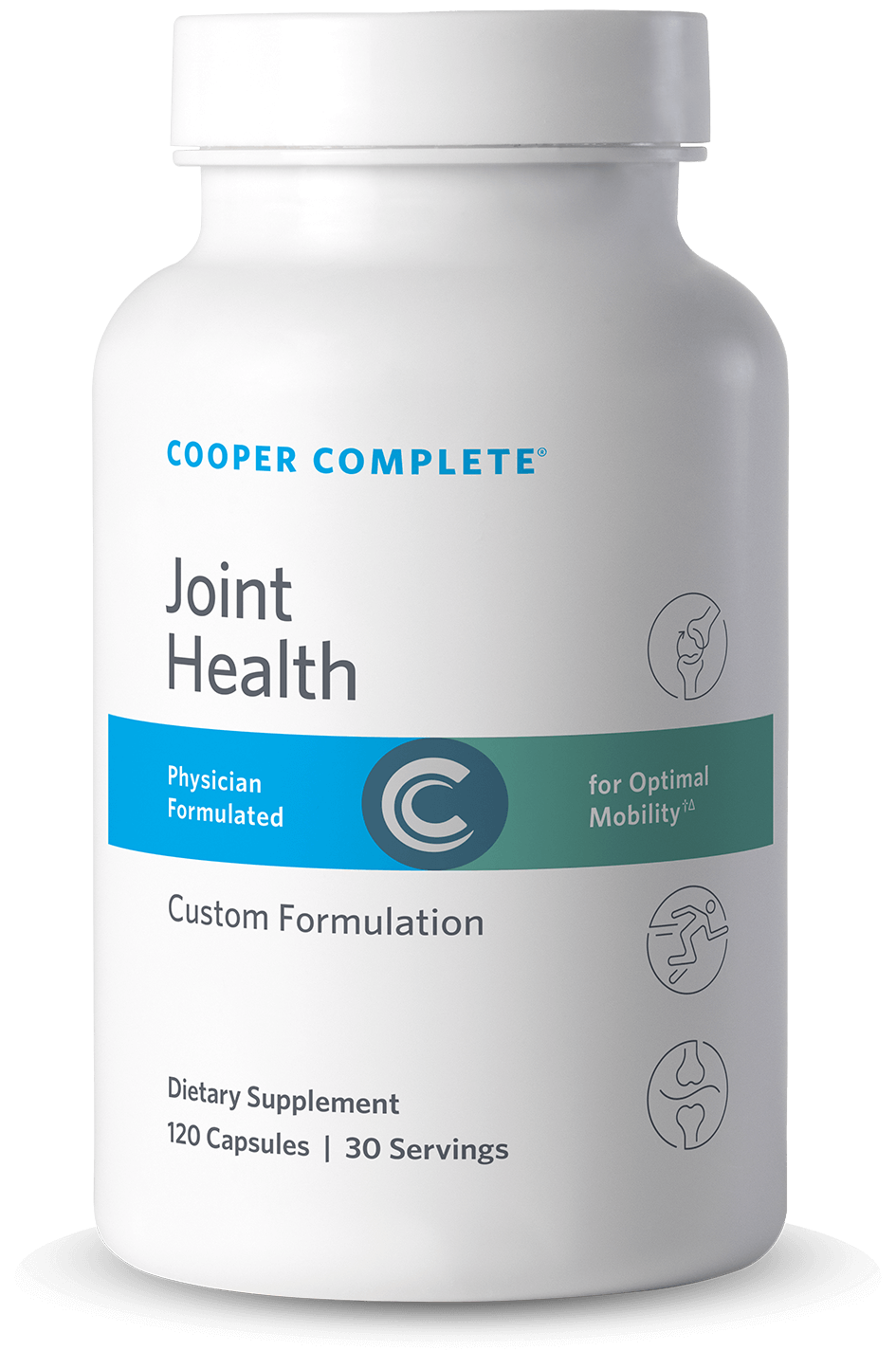
Joint Health Supplement
Daily joint support designed to promote mobility, flexibility, and active aging.†
$41.18 Shop NowCertain medical conditions can improve with a healthy diet and the right nutritional supplements†. Fortunately, using FSA money for these purchases can be a straightforward way to utilize the current year’s funds. Specifically, prenatal vitamins and supplements containing glucosamine and chondroitin (found in Cooper Complete Joint Health) are eligible for over-the-counter purchases without a prescription.
Keep in mind that most FSA funds are “use it or lose it,” meaning unused dollars may expire at the end of the plan year, so it makes good financial sense to use them before they’re gone.
Using HSA Funds for Vitamins and Supplements
The same rules that apply to Flexible Spending Accounts (FSAs) also apply to Health Savings Accounts (HSAs). In general, vitamins and dietary supplements are not eligible for reimbursement through an HSA unless they are recommended by a medical practitioner to treat a specific medical condition diagnosed by a physician. In these cases, a written letter of medical necessity or a prescription is typically required for reimbursement. As with FSAs, be sure to save your documentation and itemized receipt when submitting for reimbursement through your HSA provider.
Start by scheduling an appointment with your physician. If you have a health condition that a physician feels can be improved with a vitamin or supplement, they need to write a prescription for you. Then, place an order and complete your purchase.
Nutritional Supplements That May Be Qualified For FSA Reimbursement
Below, we’ve matched Cooper Complete vitamins and supplements with conditions a physician may recommend addressing through targeted supplementation and a healthy diet.
Vitamins to Support Inflammatory Health†
- Advanced Omega-3 supplements to lower triglycerides and reduce inflammation†
- Multivitamins to support immune function and help lower inflammatory markers like C-Reactive Protein (CRP)†
- Turmeric Curcumin Complex promotes a healthy inflammation response†
Supplements for Joint Health†
- Joint Health (glucosamine and chondroitin) to maintain healthy joints (No prescription required)†
- Turmeric Curcumin Complex to support joint comfort and healthy inflammation response†
- Collagen Complex Powder or Collagen Complex Stick Packets to support the natural healing process and maintain connective tissue structure†
Vitamins for Heart Health†
- Vitamin D3 supplements for improving bone and heart health†
- Vitamin B12 supplements to support red blood cell production† and energy metabolism†
- Advanced Omega-3 supplements to lower triglycerides and reduce inflammation†
- Coenzyme Q10 (also called CoQ10) supports heart health and reduces statin side effects†
- Berberine Complex to support healthy cholesterol metabolism†
Supplements for Better Sleep
- Melatonin for better sleep cycles†
- Magnesium to support a relaxed nervous system†
Vitamins for Bone Health
- Calcium Citrate supplement for improving bone strength†
- Vitamin D3 for better absorption of calcium and bone density†
Condition-Specific Supplements
- Prostate Health supplement to improve prostate function†
- Supplements for better hair, skin, and nails†
- Eye Health supplements to support vision and overall eye function†
- Iron Bisglycinate to support healthy iron levels†
These are a few possible situations that may qualify. Ultimately, visiting with your physician will help you determine what is best for your situation.
Buy Vitamins Using FSA (Flexible Spending Account) Dollars
Discuss your specific health issues with your physician and request a note or letter detailing the medical necessity of the vitamin or supplement. Then, purchase the recommended vitamin or supplement and submit both the itemized receipt and doctor’s note to your FSA provider for reimbursement.
About the Author: Jill Turner is the President of Cooper Complete® Nutritional Supplements, where she oversees product development and customer experience. She enjoys writing about vitamins, supplements, and preventive health to help consumers make informed, science-backed decisions.