
When is The Best Time to Take Ashwagandha?
Categories
- All Posts
- Wellness in Business
- Nutrition Bites
- Exercise Moves
- Fitness Files
- Prevention Plus
- Vitamin Aisle
- Recipes - Entrees
- Recipes - Side Dishes
- Recipes - Snacks
- Recipes - Desserts
- Recipes - Breakfast
- Recipes - Appetizers
- Recipes - Salad
- Recipes - Soups
- Cooper Stories
- Self-care
- Dr. Cooper's 8 Healthy Steps
- Skin Care
Summary: The best time to take ashwagandha largely depends on your personal health goals and how your body responds. Everyone responds differently. If you feel energized after taking ashwagandha, morning is ideal. For stress and energy, morning may be the best time to take ashwagandha. For sleep and relaxation, evening use may work better. Some people benefit from splitting their dose between morning and night. Start low, pay attention to your body, and adjust timing as needed.
Table of Contents
Click to explore
Recent polls show that nearly half of Americans frequently feel stressed, and 57% say they need more sleep. Ashwagandha’s popularity has increased as more people turn to supplements to support stress management†, sleep quality†, and overall well-being†. It has become a favorite herb and is now the seventh most purchased supplement. Ashwagandha has been used in the ancient healing system of Ayurvedic medicine for centuries to help with stress. If you are considering taking this herb, you may wonder: What is the best time to take ashwagandha? In this article, we’ll explore what ashwagandha is, its potential benefits, scientific studies that support its use, and how timing your supplementation may influence your experience.
What Is Ashwagandha?
Ashwagandha is an evergreen plant typically found in India, Africa, the Middle East, and parts of Europe. The scientific name is Withania somnifera, which means winter cherry.
It is a natural substance, known as an adaptogen, believed to help the body adapt to stress and anxiety† and promote balance†. The active compounds in ashwagandha, called withanolides, have been studied for their effects on stress hormones, inflammation, sleep, and energy levels.†
Scientific Evidence on Ashwagandha
Several studies have evaluated the benefits of ashwagandha regarding anxiety and sleep. A randomized, double-blind, placebo-controlled study published in Medicine (Baltimore) found that participants taking 240 mg of ashwagandha daily for 8 weeks showed significant reductions in stress and anxiety levels compared to placebo. Anxiety levels were reduced by 41% compared to 24% in the placebo group. When considering the best time to take ashwagandha for stress, it should be noted that participants were instructed to take 1 capsule daily after dinner. This article provides additional information on supplements for anxiety.
Another small study concluded that ashwagandha supplementation improved sleep quality and reduced the time it takes to fall asleep in adults with insomnia. It did not offer any insight into the best time to take ashwagandha, because the supplement was administered twice daily.
Read more about the health benefits of ashwagandha in this article.
The Best Time to Take Ashwagandha
There is no single best time to take ashwagandha because its benefits vary based on individual needs. However, there are a few general guidelines you can follow depending on your health goals.
Quick Guide: When to Take Ashwagandha |
||
|---|---|---|
| Your Goal | Best Time To Take | Notes |
| Reduce daily stress and promote focus | Morning | Supports cortisol balance and a calmer start to the day†. |
| Improve sleep and relaxation | Evening | Helps unwind, relax, and prepare for restful sleep†. |
| Support both stress and sleep | Split dose (morning + evening) | Provides all-day stress resilience and nighttime relaxation†. |
Morning Ashwagandha Use
If you’re taking ashwagandha for energy, focus, or stress management during the day, the best time to take ashwagandha may be in the morning. Since cortisol naturally peaks in the morning, some research suggests that ashwagandha may support healthier cortisol balance when taken earlier in the day†.
Evening Ashwagandha Use
If your primary goal is better sleep or relaxation, the best time to take ashwagandha may be in the evening, as it can help you relax†.
Split Doses of Ashwagandha (Morning + Evening)
Some people may find that the best time to take ashwagandha is twice per day. Taking ashwagandha in divided doses, once in the morning and once in the evening, may provide more consistent support for both daytime stress resilience and nighttime relaxation†.
Can I Just Take Ashwagandha When I Feel Stressed?
Taking ashwagandha consistently is key. Benefits such as stress reduction†, improved sleep†, and balanced energy levels† build up gradually over several weeks of regular use. Whether you choose morning, evening, or split doses, aim to take it around the same time each day.
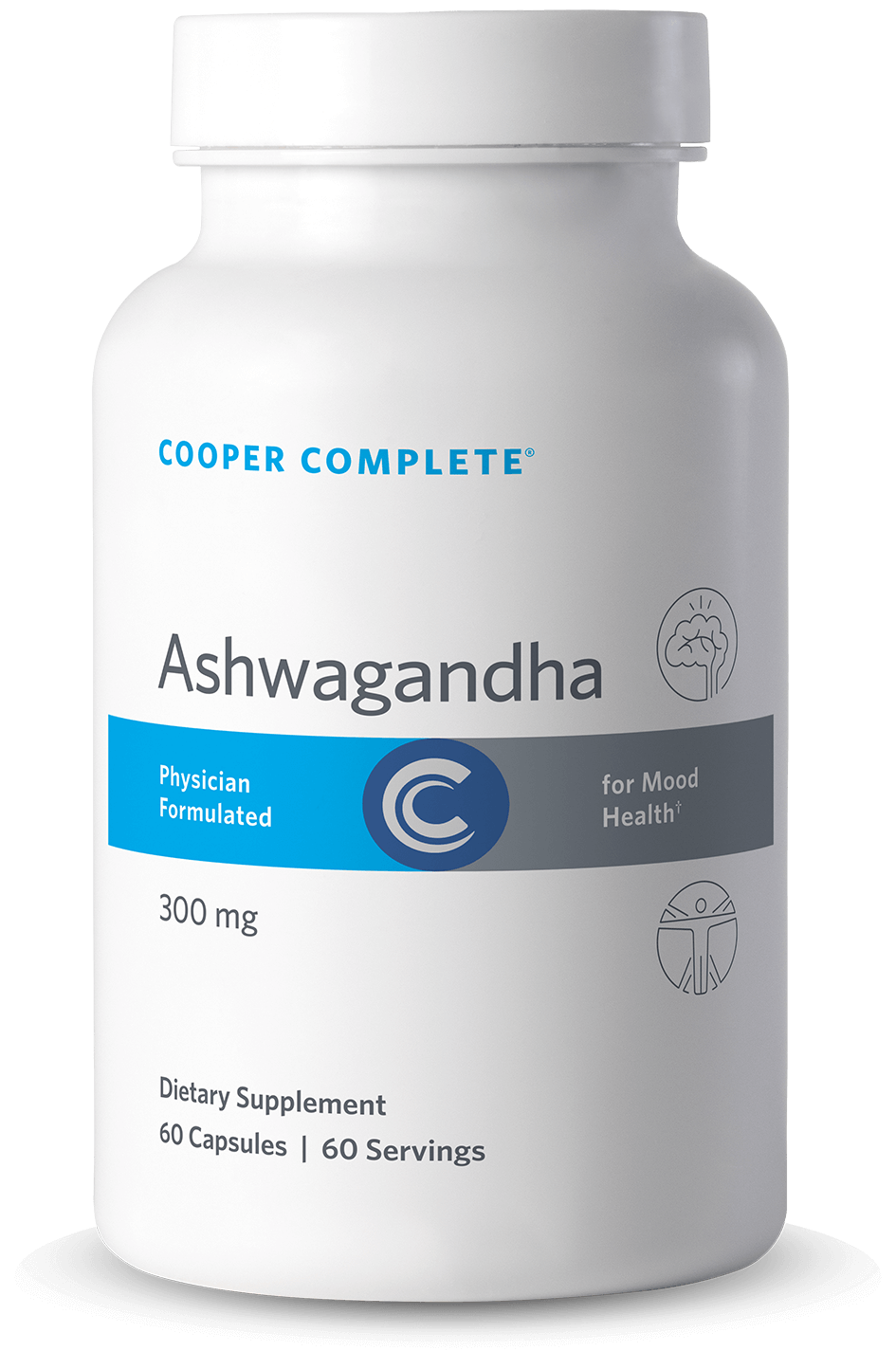
Ashwagandha Supplement 300 mg
Ashwagandha support for a healthy stress response and daily resilience.
$16.98 Shop NowShould Ashwagandha Be Taken With or Without Food?
Ashwagandha can be taken either with food or on an empty stomach. Some people find it easier on digestion when taken after a meal, especially if they experience stomach upset. Others prefer taking it on an empty stomach for quicker absorption. If you’re unsure, start by taking it with food and adjust based on how your body feels.
How Much Ashwagandha Should You Take?
Typical dosages range from 300 to 600 mg of standardized extract daily. It’s best to start with the lowest dose and adjust as needed, based on how your body responds† and the advice of your physician or health care provider.
Possible Side Effects of Ashwagandha
Ashwagandha is generally well-tolerated, but some people may experience digestive upset, drowsiness, sleepiness, or headache. It may also interact with medications, including those for thyroid, blood sugar, blood pressure, and sedation. As with all supplements, consult your physician or health care provider before use.
Key Takeaways
- The best time to take ashwagandha depends on your health goals and how your body responds.
- Morning use may support stress and energy balance.
- Evening use may benefit sleep and relaxation.
- Some people find split dosing (morning + evening) most effective.
- Start with a low dose of 300 mg daily, adjust as needed.
Ashwagandha can be a powerful tool for supporting stress, sleep, and overall wellness when taken regularly as part of a balanced wellness plan†.
About the Author: Cathy Sides is the Director of Customer Relations for Cooper Complete® nutritional supplements. Since joining Cooper Aerobics in 2007, she has helped thousands of customers make informed decisions about supplements. Cathy also contributes blog content focused on vitamins, supplements, and healthy living.
Sources:
- Gallup. Jones JM. Americans are sleeping less, more stressed. 2024.
- Chandrasekhar K, Kapoor J, Anishetty S. A prospective, randomized double-blind, placebo-controlled study of safety and efficacy of a high-concentration full-spectrum extract of ashwagandha root in reducing stress and anxiety in adults. Medicine (Baltimore). 2019;98(37):e17186.
- Langade D, Kanchi S, Salve J, Debnath K, Ambegaokar D. Efficacy and safety of ashwagandha (Withania somnifera) root extract in insomnia and anxiety: A double-blind, randomized, placebo-controlled study. Cureus. 2019;11(9):e5797.