
What’s the Difference Between Vitamin D and D3?

Categories
- All Posts
- Wellness in Business
- Nutrition Bites
- Exercise Moves
- Fitness Files
- Prevention Plus
- Vitamin Aisle
- Recipes - Entrees
- Recipes - Side Dishes
- Recipes - Snacks
- Recipes - Desserts
- Recipes - Breakfast
- Recipes - Appetizers
- Recipes - Salad
- Recipes - Soups
- Cooper Stories
- Self-care
- Dr. Cooper's 8 Healthy Steps
- Skin Care
Vitamin D provides crucial health benefits, influencing everything from bone density† to immune function†. However, many people are confused by the difference between vitamin D and vitamin D3. This article examines the differences between these terms, exploring their chemical structures, health benefits, and effectiveness. We’ll also look at why vitamin D3 supplementation is often recommended and learn how to optimize vitamin D absorption for maximum benefit.
Summary: Vitamin D plays an essential role in bone health, immune function, and overall wellness†. The term “vitamin D” refers to two primary forms, vitamin D2 and vitamin D3, which differ in their sources, chemical structure, and effectiveness in the body. Research shows vitamin D3 is generally more effective at raising and maintaining vitamin D levels. This article explains the differences between vitamin D and vitamin D3, explores their sources and health benefits, and reviews factors that can help improve vitamin D absorption.
Vitamin D vs. Vitamin D3: Key Differences
Vitamin D is a general term for a group of fat-soluble compounds that help regulate calcium levels, bone health, and immune function†. The two most common forms are vitamin D2 and vitamin D3.
- Vitamin D: A general category of compounds that includes both vitamin D2 and vitamin D3.
- Vitamin D2 (ergocalciferol): A plant-derived form commonly found in UV-exposed mushrooms and fortified foods.
- Vitamin D3 (cholecalciferol): The form naturally produced in the skin after sunlight exposure and the type most often used in supplements.
While both vitamin D2 and D3 can raise vitamin D levels in the body, research shows vitamin D3 is generally more effective at increasing and maintaining blood levels of vitamin D over time†.
Vitamin D vs. Vitamin D3: Chemical Structure Differences
Vitamin D is a group of fat-soluble compounds that function as hormones in the body. The term “vitamin D” typically refers to two forms:
- Vitamin D2 (ergocalciferol): Derived from plant-based sources and fungi
- Vitamin D3 (cholecalciferol): Produced in the skin from exposure to sunlight and found in animal-based foods
The primary chemical distinction lies in their side chains. Vitamin D2 contains a double bond between carbons 22 and 23 and an extra methyl group on carbon 24, while vitamin D3 does not. These structural differences affect their biological activity and efficiency in humans.
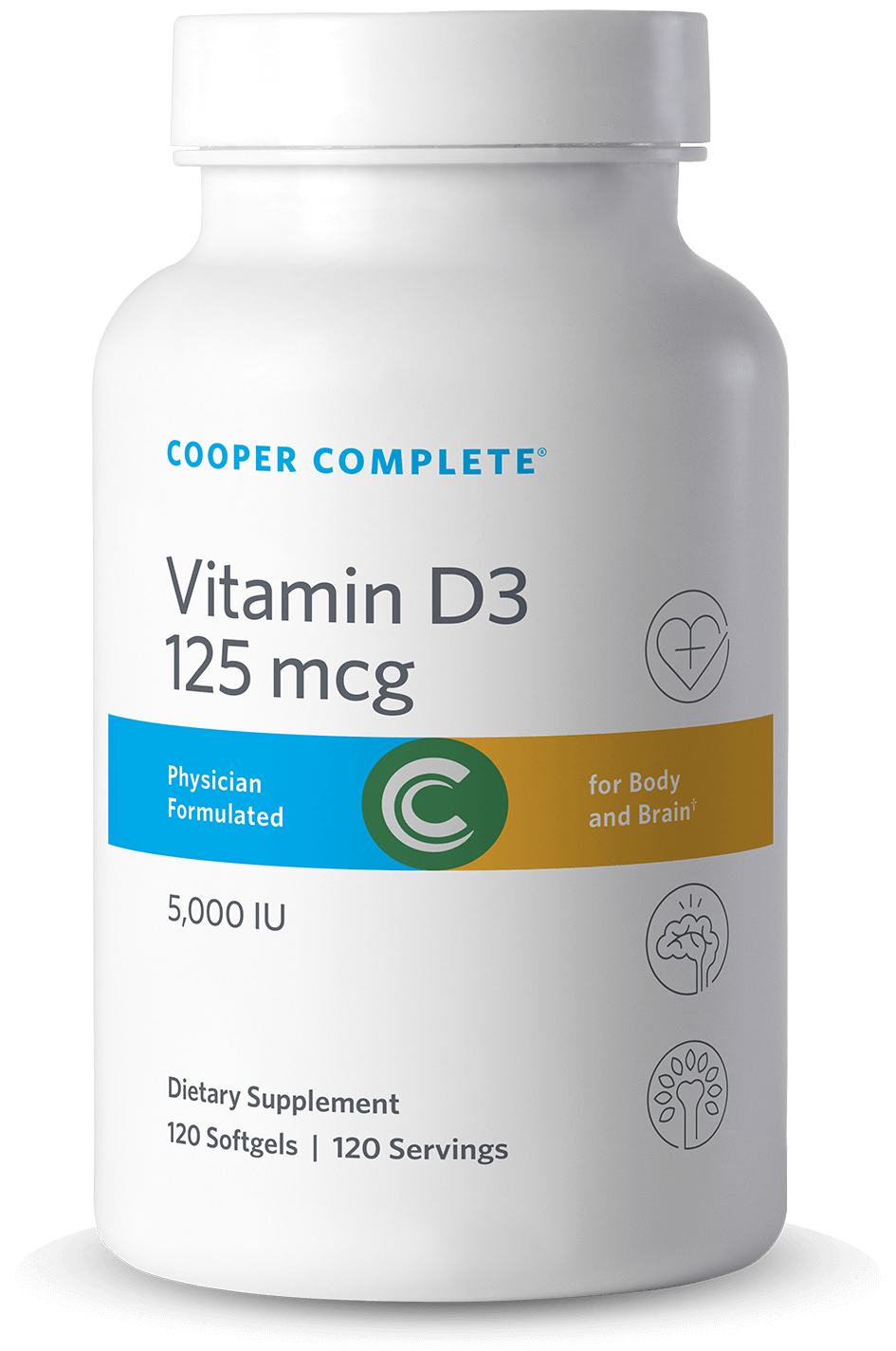
Vitamin D3 125 mcg (5000 IU) Supplement
Vitamin D3 support for bone and immune health.
$26.98 Shop NowSources of Vitamin D and Vitamin D3
Vitamin D2 Sources
Vitamin D2 comes from plant-based sources, particularly fungi and yeast exposed to ultraviolet (UV) light. Examples include:
- UV-exposed mushrooms such as portobello or shiitake.
- Fortified plant-based milk alternatives, cereals, and some dietary supplements.
While D2 can help increase vitamin D levels, studies suggest its efficacy is lower than that of D3 because it is less stable and has a shorter half-life in the body. It remains active in the body for a shorter period.
Vitamin D3 Sources
Vitamin D3 is the form naturally produced by the body when UVB rays from sunlight interact with cholesterol in the skin. This makes direct sun exposure one of the most effective ways to increase vitamin D levels. However, it’s also found in specific foods:
- Fatty fish (e.g., salmon, mackerel, and tuna)
- Cod liver oil
- Egg yolks
- Fortified dairy products
Vitamin D3 supplements, often derived from animal sources such as lanolin, are commonly recommended for those unable to meet their needs through diet or sunlight.
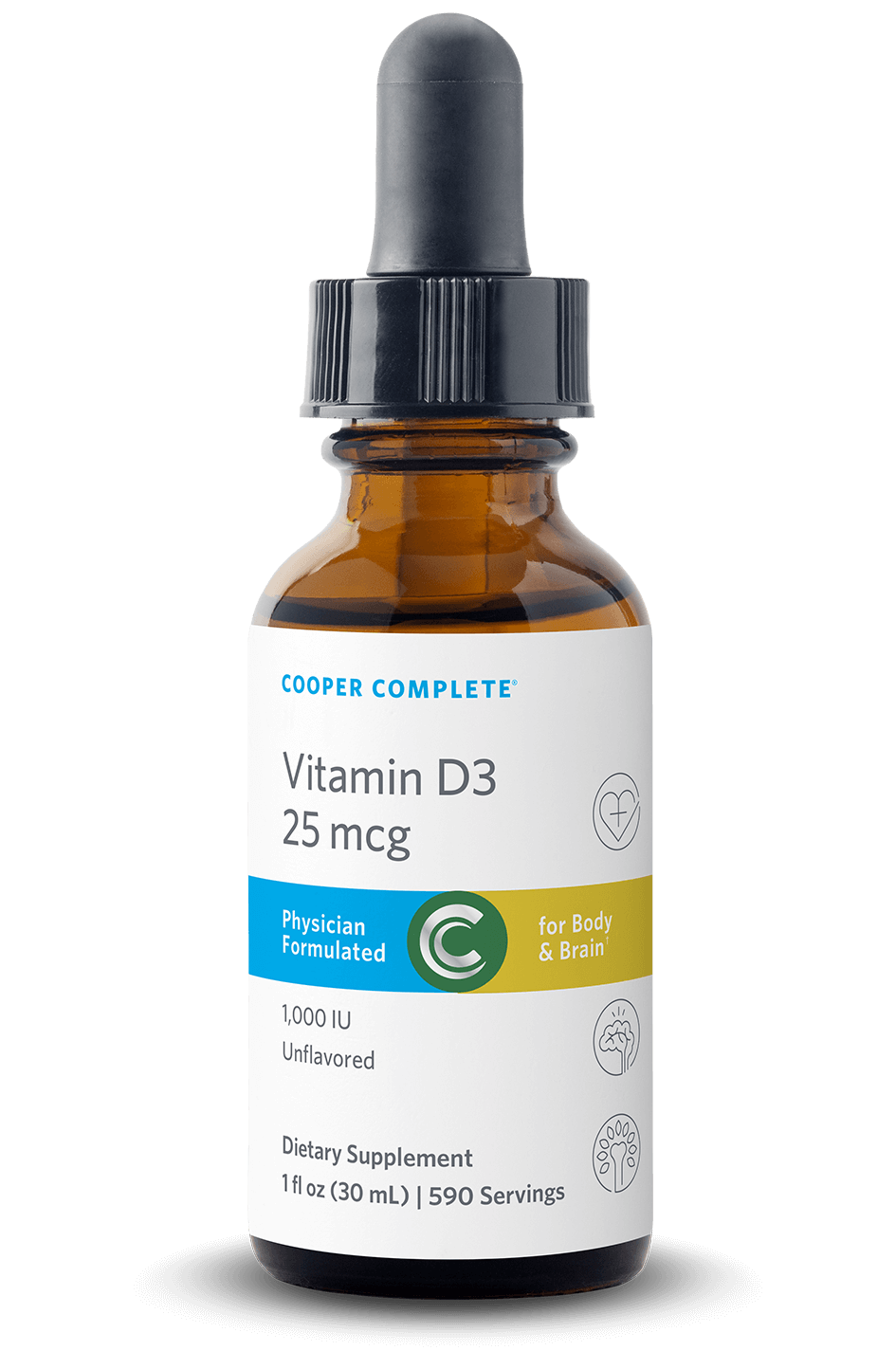
Vitamin D3 25 mcg (1000 IU) Liquid Drops
Vitamin D3 support for bone and immune health. Liquid drops with a one-drop serving for those who prefer not to swallow pills.
$25.98 Shop NowHealth Benefits of Vitamin D
1. Bone Health and Calcium Absorption
Vitamin D is critical for maintaining bone strength†. It enhances the absorption of calcium and phosphorus in the intestines, which is essential for building and maintaining strong bones and teeth†. Without sufficient vitamin D, bones can become brittle or malformed, leading to conditions such as:
- Osteoporosis: A progressive weakening of bones, increasing the risk of fractures
- Rickets: A childhood disorder characterized by soft and weak bones
- Osteomalacia: Soft bones in adults, causing pain and deformities
2. Immune Function
Vitamin D supports immune health by modulating both the innate and adaptive immune systems, reducing inflammation and promoting the body’s defense against pathogens†. Research indicates that adequate vitamin D levels may lower the risk of respiratory infections, including the flu†. Studies also suggest a potential role in reducing the risk of autoimmune diseases, such as multiple sclerosis and type 1 diabetes†.
3. Mood and Cognitive Function
Vitamin D supports brain health†. Low levels of vitamin D have been associated with depression and cognitive decline. A review in The Journal of Affective Disorders highlighted that vitamin D supplementation could improve mood, particularly in individuals with clinical depression or seasonal affective disorder (SAD)†.
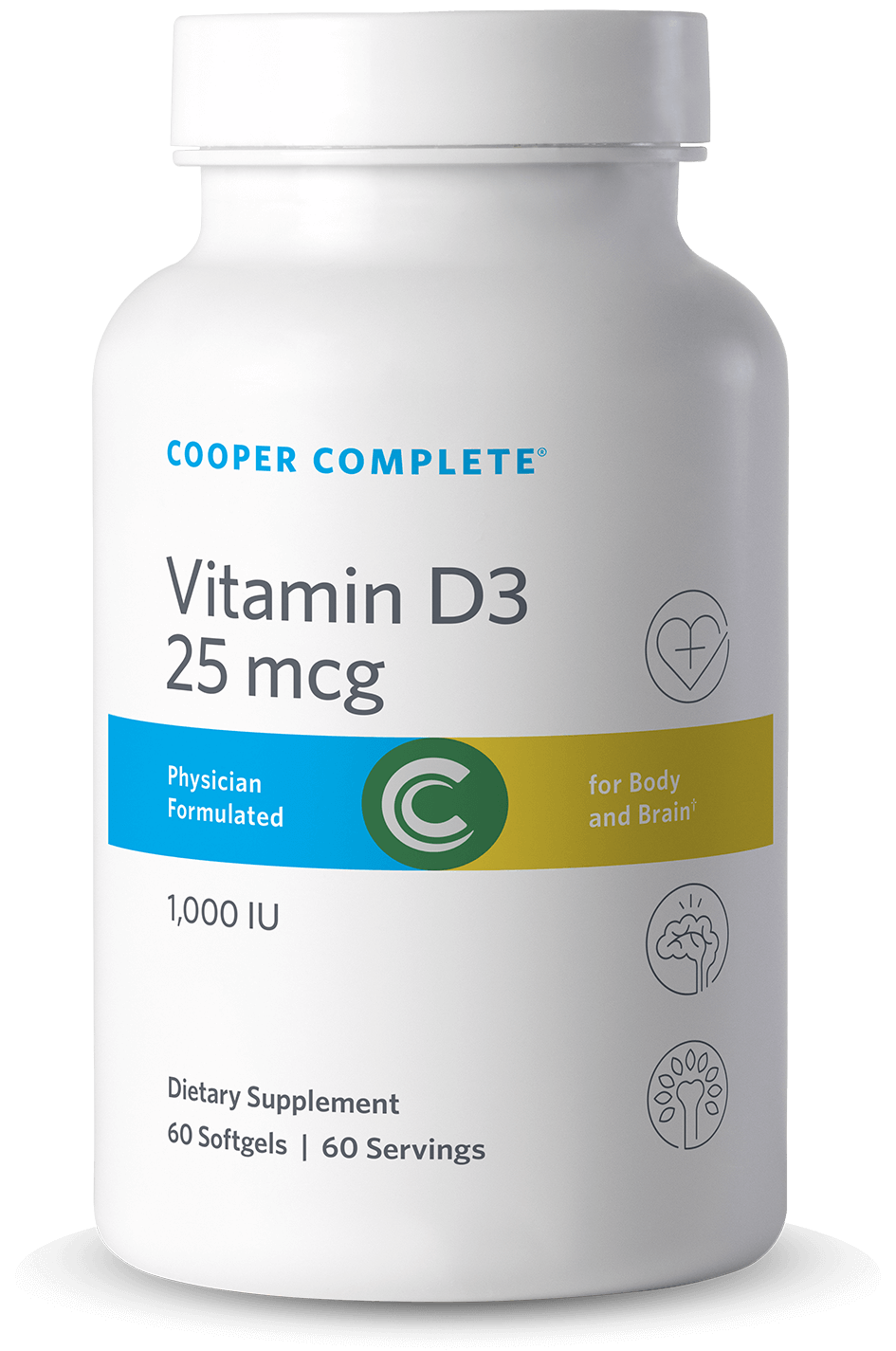
Vitamin D3 25 mcg (1000 IU) Supplement
Vitamin D3 support for bone and immune health.rnrn rnrn
$12.98 Shop NowWhich Form of Vitamin D Is Best for Your Health?
Both vitamin D2 and D3 can raise serum levels of 25-hydroxyvitamin D (25(OH)D), the main circulating form of vitamin D. However, scientific research consistently shows vitamin D3 is more effective at increasing and maintaining 25-hydroxyvitamin D levels compared with vitamin D2.
A pivotal study published in The American Journal of Clinical Nutrition demonstrated vitamin D3 is 87 percent more effective at raising and maintaining 25(OH)D levels compared to vitamin D2†. Additionally, vitamin D3 remains active in the body for a longer period.
For this reason, most health care providers and researchers recommend vitamin D3 as the preferred form, especially for individuals with a deficiency.
Advantages of a Vitamin D3 Supplement
Dietary Limitations
While certain foods contain vitamin D3, it is challenging to meet daily requirements through diet alone. The recommended dietary allowance (RDA) for vitamin D is 600–800 IU for most adults, but it increases for older adults and individuals at risk of deficiency. A serving of salmon, one of the richest sources, provides approximately 450 IU, which may still fall short of optimal levels for some people.
Sunlight Challenges
Though sunlight triggers the natural production of vitamin D3, many factors limit exposure, including:
- Using sunscreen, which blocks UV rays
- Wearing clothing that covers the skin
- Living in higher latitudes with limited UVB radiation during the winter months
- Darker skin pigmentation, which reduces the skin’s ability to synthesize vitamin D
Given these challenges, supplementation becomes a practical solution to ensure adequate intake, particularly during the winter or for those with limited sun exposure.
Effectiveness of Vitamin D3 Supplements
Vitamin D3 supplements are widely available, affordable, and effective†. They offer a reliable way to increase and maintain serum 25(OH)D levels without relying on dietary intake or sun exposure alone†.
Other Factors That Help Your Body Absorb Vitamin D
Vitamin D is a fat-soluble vitamin, meaning it requires dietary fat for optimal absorption. To maximize the effectiveness of vitamin D intake, consider the following tips:
- Pair with Healthy Fats: Consuming vitamin D-rich foods or supplements alongside meals containing healthy fats (e.g., avocados, nuts, seeds, and olive oil) can enhance absorption.
- Magnesium Levels: Magnesium plays a crucial role in activating vitamin D within the body. Without sufficient magnesium, vitamin D may remain inactive. Foods rich in magnesium include leafy greens, nuts, and whole grains.
- Balance Calcium Intake: Vitamin D works in tandem with calcium to strengthen bones. Adequate calcium intake from dairy, fortified foods, or supplements supports this process.
- Gut Health: A healthy gut microbiome is essential for absorbing nutrients, including vitamin D. Probiotic-rich foods like yogurt, kefir, and fermented vegetables can promote better gut health.
Prioritizing Vitamin D3 for Optimal Health
Understanding the difference between vitamin D and D3 is crucial for making informed decisions about your health. While both forms of vitamin D are beneficial, vitamin D3 stands out for its superior ability to raise and maintain optimal blood levels. Given the challenges of obtaining adequate vitamin D from food and sunlight alone, supplementation with vitamin D3 offers a reliable solution for preventing deficiency and promoting long-term health†.
For those considering supplementation, choose a high-quality supplement such as Cooper Complete Vitamin D3 25 mcg (1000 IU) softgels or 125 mcg softgels, or Cooper Complete Vitamin D3 25 mcg (1000 IU) Liquid Drops, and pair it with healthy fats to ensure optimal absorption. With proper attention to vitamin D intake, you can support your body’s bone health†, immune function†, and overall well-being†. Before starting any new supplement regimen, please consult with your physician or health care provider to ensure it aligns with your individual health needs.
About the Author: Jill Turner is the President of Cooper Complete® Nutritional Supplements, where she oversees product development and customer experience. She enjoys writing about vitamins, supplements, and preventive health to help consumers make informed, science-backed decisions.