
What to Expect on Your First Visit to the Dermatologist
Categories
- All Posts
- Wellness in Business
- Nutrition Bites
- Exercise Moves
- Fitness Files
- Prevention Plus
- Vitamin Aisle
- Recipes - Entrees
- Recipes - Side Dishes
- Recipes - Snacks
- Recipes - Desserts
- Recipes - Breakfast
- Recipes - Appetizers
- Recipes - Salad
- Recipes - Soups
- Cooper Stories
- Self-care
- Dr. Cooper's 8 Healthy Steps
- Skin Care
There are a number of reasons to see a dermatologist at Cooper Clinic. You may have specific reasons such as acne, acne scarring, melasma, eczema or skin cancer. You may have concerns about a suspicious mole or growth. You may want to reduce signs of wrinkles and age spots. Or you may want to schedule an appointment to get a skin cancer exam. A visual, whole-body examination should be performed once a year. “Visiting the dermatologist for the first time can feel a bit daunting, especially if you’re not sure what to expect. Helen Kaporis, DO, FAAD, Preventive and Cosmetic Dermatologist at Cooper Clinic, shares tips on what to expect.
“The skin is the largest organ in your body,” says Dr. Kaporis. “It is constantly changing, so getting a baseline check is important.”
Prepare for Your Visit
“You can make the most of your dermatologist appointment by being prepared,” said Dr. Kaporis.
Here are some important steps:
- Dress for the Appointment
Wear comfortable clothing that is easy to remove. Dermatologists often require a full-body skin examination, which means you will need to change into a gown. Loose-fitting clothes can make this process smoother and more comfortable.
- Make a List of Medications
Compile a comprehensive list of the medications you are currently taking, including prescription drugs, over-the-counter medications, supplements and vitamins. Some medications can affect your skin and it’s important for your dermatologist to have this information to avoid any potential interactions or side effects.
“Be sure to bring a list of all medications and supplements you are taking,” says Dr. Kaporis, “and show up free of jewelry, hair bands, hair clips and nail polish and remove any makeup so your dermatologist can have an unobstructed view of your skin.
- Note Any Blemishes or Concerns
Before your appointment, take the time to examine your skin and make note of any spots, moles, rashes or other blemishes that concern you. This will ensure you don’t forget to mention anything during your consultation. It can be helpful to write them down, take photos on your phone or circle them on your body to show your dermatologist.
Past Medical History
Your medical history, including that of your blood relatives, is crucial information for your dermatologist. Many skin conditions have genetic components, so knowing your family’s medical history can provide valuable insights.
- Personal Medical History
Be prepared to discuss your own medical history in detail. This includes any past skin conditions or treatments, allergic reactions, surgeries and general health issues. Conditions such as diabetes or autoimmune diseases can influence skin health.
- Family Medical History
Your dermatologist will also want to know about your family’s medical history, particularly any history of skin cancer or other skin conditions. This information can help in assessing your risk factors and tailoring your treatment plan.
Full-body Exam
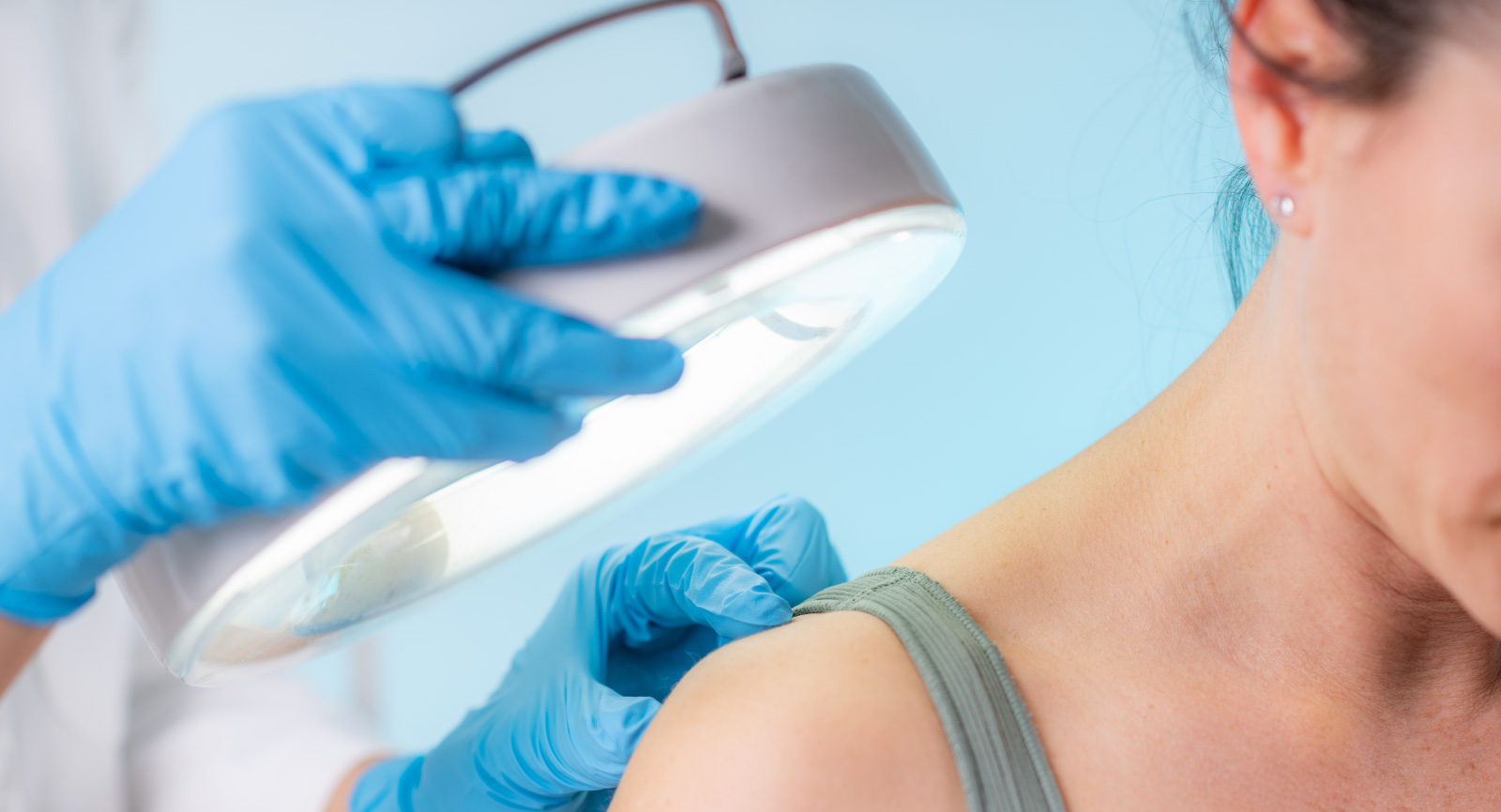
A full-body skin examination is a thorough check of your skin from head to toe. This examination is essential for detecting skin conditions at an early stage. In particular, the exam is an important part of skin cancer screening.
- Importance of the Exam
Early detection of skin cancer significantly increases the chances of successful treatment. Regular full-body exams can identify issues before they become serious. Even if you feel healthy, these exams are crucial as some skin cancers can develop without noticeable symptoms.
- What to Expect
During a full-body exam, you will change into a gown and the dermatologist will systematically examine your skin. They will look for any unusual moles, spots or lesions. If they find anything suspicious, they may take a closer look using a special magnifying tool called a dermatoscope.
“Expect to dress down to your underwear and put on a gown so your dermatologist can check you from head to toe,” Dr. Kaporis says. “Some dermatologists are faster and some are slower with their skin checks, but what is important is thoroughness. They may use a dermatoscope to better observe certain lesions. Remember, your dermatologist is there to help you with all your skin concerns, even ones you don’t know about yet.”
Discuss Your Concerns and Treatment Options
Open communication with your dermatologist is vital. Don’t hesitate to bring up any skin issues that concern you, no matter how minor they may seem.
- Common Concerns
Some common concerns people discuss with their dermatologist include acne, eczema and signs of aging. Each condition has various treatment options, from topical creams to advanced therapies. Your concerns can be either health-related or specific to cosmetic treatments.
- Treatment Options
Depending on your condition, your dermatologist may suggest treatments such as prescription medications, lifestyle changes or procedures such as cryotherapy or laser treatments. Ask about the pros and cons of each treatment option to make an informed decision.
Skin Care Consultation
One of the key benefits of visiting a dermatologist is receiving professional advice on how to take better care of your skin.
- Personalized Skin Care Routine
Your dermatologist can help you develop a personalized skin care routine, tailored to your skin type and any specific conditions you have. This might include recommendations for cleansers, moisturizers, sunscreens and other skin care products.
- Tips for Healthy Skin
In addition to product recommendations, your dermatologist can offer tips on lifestyle changes that promote healthy skin, such as staying hydrated, eating a balanced diet and protecting your skin from the sun. Your dermatologist may also recommend specific skin care products to improve your skin’s health.
Benefits of Visiting the Dermatologist
Regular visits to the dermatologist offer numerous benefits, from early detection of skin issues to personalized skin care advice.
- Peace of Mind
Knowing a board-certified dermatologist has thoroughly examined your skin and that any concerns are addressed can provide significant peace of mind. This is especially true for individuals with a family history of skin cancer or other serious skin conditions.
- Early Detection and Treatment
Dermatologists are trained to spot signs of skin cancer and other conditions early, which is critical for effective treatment. Early intervention can prevent minor issues from becoming serious health problems.
- Expert Advice
Dermatologists can provide expert advice on a wide range of skin issues, from managing chronic conditions such as acne and psoriasis to improving the overall health and appearance of your skin.
See Our Dermatologists
Regular check-ups can lead to early detection of potential issues, personalized treatment plans and valuable skin care advice, contributing to your overall well-being and peace of mind.
Did you know the Cooper Clinic dermatology team sees patients both through direct appointments and as part of our comprehensive physical exams?
Cooper Clinic Dermatology— cooperclinicdermatology.com | 972.367.6000
Cooper Clinic Preventive Exam— cooper-clinic.com | 972.560.2667