
Using Data to Achieve Your Fitness Goals
Categories
- All Posts
- Wellness in Business
- Nutrition Bites
- Exercise Moves
- Fitness Files
- Prevention Plus
- Vitamin Aisle
- Recipes - Entrees
- Recipes - Side Dishes
- Recipes - Snacks
- Recipes - Desserts
- Recipes - Breakfast
- Recipes - Appetizers
- Recipes - Salad
- Recipes - Soups
- Cooper Stories
- Self-care
- Dr. Cooper's 8 Healthy Steps
- Skin Care
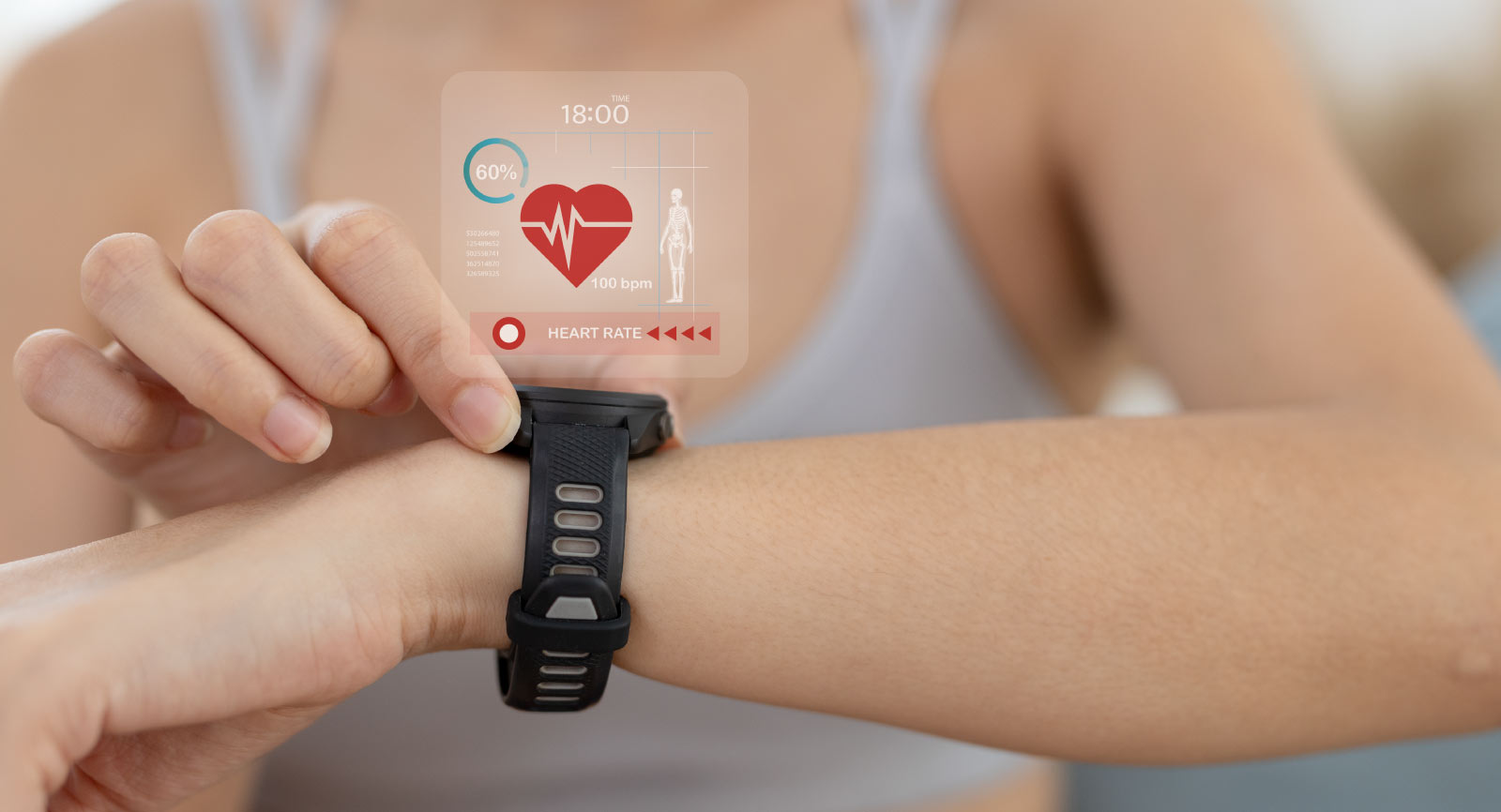
When you think of wearable fitness technology, a smartwatch may be the first image that comes to mind. However, wearable fitness trackers have been used for decades. The pedometer, developed in 1965, was the first wearable fitness tracker designed to track the number of steps you take. Nowadays, your smartwatch or phone can track steps, elevation, distance and even the calories you burn. With technology so accessible, Carla Sottovia, PhD, Director of Fitness and Personal Trainer Education at Cooper Fitness Center, says, “it’s important to learn how tracking this information can help better your workout and your overall health.”
Wearable fitness trackers come in different forms:
- Smartwatches
- Smartphones
- Slim activity bands
- Heart rate monitors
- Rings
In some cases, you can even connect your wearable fitness technology to an exercise machine in a gym. For example, if you walk on a treadmill that connects to your device, the distance, amount of time you were on the machine and other metrics may automatically sync to your device.
Tracking
Your wearable fitness trackers track more than just your steps. In addition to movement, this technology can track:
- Quality of sleep
- Health data such as heart rate, oxygen and stress levels
- Your distance and elevation level
- Safety detection in case of a fall or emergency
- Time in a sedentary position
Wearable fitness devices can also anticipate your moving patterns based on your daily activity. For example, if you usually complete your step goal during the evening, you will receive a notification reminding you to finish your movement at your usual time. Additionally, if you are sedentary for too long, your device can alert you to stand up and stretch or go for a walk.
Learn more about The Advantages of Tracking Your Fitness where Sottovia shares how creating a goal on your wearable fitness tracker can help you reach your fitness goals.
Accountability
Sottovia explains how wearable technology can be viewed as a “training partner on your phone.” On some smartwatches, you can receive badges based on your accomplishments. “Gamification encourages people to finish and accomplish their goals in a way it doesn’t seem like a chore,” says Sottovia. One of the most common goal settings is reaching a certain number of steps per day. Creating a step goal does not require you to step into the gym; your wearable fitness tracker counts every step you take, whether that’s while shopping for groceries, walking the dog or going on a stroll in your neighborhood.
Tracking technology can also be shared with friends and family, creating another level of accountability. You can encourage others to finish their badges or goals or congratulate someone on completing their daily or weekly goals.
Creating a Workout
Using this tracking information isn’t just meant to help you create a workout routine you do on your own at home or in the gym. Sottovia says, “as a professional fitness trainer, I’ve used this technology to help with accountability with my clients. I can see how intense they’re exercising or the amount of movement my client has performed days prior to our training sessions and determine the amount of movement needed for the day to make sure the client is reaching their goals.” For those starting out it’s important to create simple and achievable goals you can track.
Simple weekly fitness goals:
- 10,000 steps per day (about 2,000 steps per mile)
- At least 300 minutes of activity per week consisting of:
- Cardio three times per week
- Resistance training two times per week
Once you can reach these milestones consistently, you should adjust your goals to continue to improve your health.
Watch our video Exercise Moves on Technology for Fitness where Shawn Smith, Professional Fitness Trainer at Cooper Fitness Center, shares how wearable technology can help with motivation and real time feedback when achieving your fitness goals.
Wearable fitness technology is a tool meant to aid you in bettering your health, and a professional fitness trainer can provide you with expert guidance and safe exercise recommendations appropriate to your fitness level to help you reach your health goals. Reach out to a Cooper Fitness Center Professional Fitness Trainer by visiting cooperfitnesscenter.com or call 972.233.4832.