
Sugar vs. Artificial Sweeteners
Categories
- All Posts
- Wellness in Business
- Nutrition Bites
- Exercise Moves
- Fitness Files
- Prevention Plus
- Vitamin Aisle
- Recipes - Entrees
- Recipes - Side Dishes
- Recipes - Snacks
- Recipes - Desserts
- Recipes - Breakfast
- Recipes - Appetizers
- Recipes - Salad
- Recipes - Soups
- Cooper Stories
- Self-care
- Dr. Cooper's 8 Healthy Steps
- Skin Care
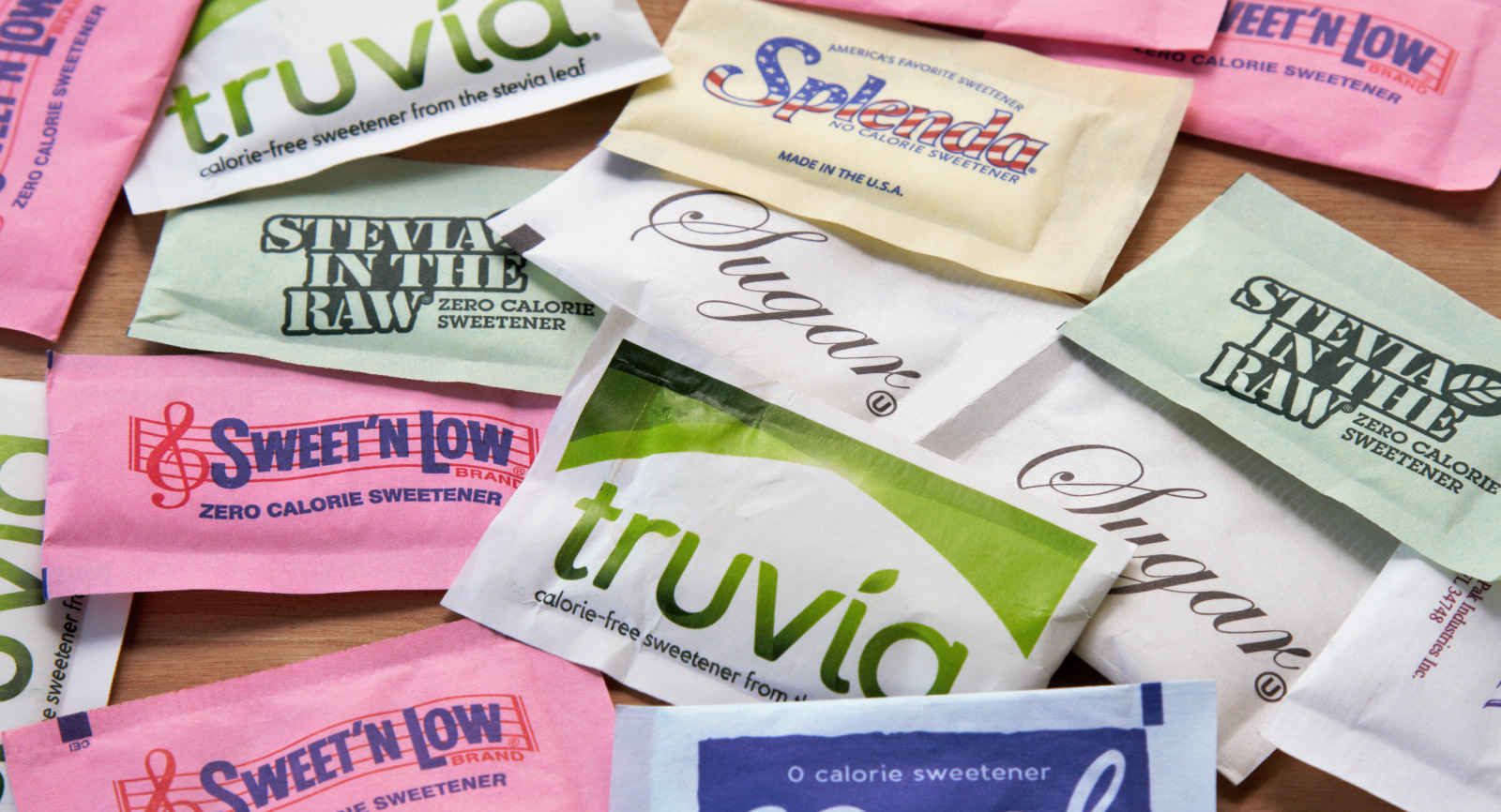
Today, many people are looking to reduce their total sugar intake and are wondering if sugar substitutes are a better option. A variety of zero calorie sweeteners are available, so choosing one is based on your personal health goals and preferences. The good news is more than one healthy option is available!
Why Is Sugar A Big Topic of Conversation Today?
Sugar, otherwise known as sucrose, has been labeled unhealthy by media and many health organizations. Regular high sugar intake is associated with adverse health effects such as weight gain, insulin resistance, cardiovascular disease and even diminished mental or cognitive health. According to the American Heart Association, men should limit daily intake of added sugar to 9 tsp. (36 g) and women to 6 tsp. (25 g). However, the average American intake is much higher at around 17 tsp. of sugar per day. The largest contributors to this intake are sweet bakery products along with sugar sweetened beverages such as soft drinks, fruit drinks and sweetened teas.
It’s important to remember natural sugars from carbohydrates are not inherently unhealthy. These carbohydrates fuel our brain and body to function daily. Without these sources of energy, we may feel sluggish and experience difficulty focusing or completing tasks. Examples of healthy carbohydrate sources include fruits, vegetables, whole grains and legumes. These types of carbohydrates are digested more slowly and have a less dramatic impact on blood sugar levels. They also provide greater feelings of fullness than refined carbohydrates due to their fiber content. These whole foods sources of carbohydrates also pack many vitamins, minerals and antioxidants, providing health benefits reaching far beyond simple energy to our cells.
The Difference Between Sugar and Artificial Sweetener
In the 1960s, manufacturers began developing what many have deemed healthier alternatives to sugar: non-nutritive sweeteners (NNS). These substitutes can be found in packaged products or used on their own to sweeten foods and beverages. As the name suggests, non-nutritive sweeteners contain such little calories that they are considered zero calorie on a nutrition label. They can be separated into different categories, since some NNS are made artificially, while others come from plants such as stevia or monk fruit. All of these sweeteners have either been approved by the U.S. Food and Drug Administration (FDA) or are generally recognized as safe (GRAS) by third-party companies.
Currently, the evidence on sugar alternatives is mostly based on animal studies and thus cannot be fully applied to humans. However, these findings are still important to be aware of as they may influence your choice and comfort level with the options available. If you choose to use sugar alternatives, consider the following.
Potential Pros of Switching to Sugar Alternatives
- Blood sugar spikes are often much smaller when using sugar alternatives which can be beneficial for individuals with diabetes and pre-diabetes. The American Diabetes Association supports the use of sugar alternatives for blood sugar control.
- Weight loss may be seen with the use of NNS in place of sugar as this reduces total calorie and sugar intake.
- Cardiovascular health may improve when decreasing sugar intake by subsequently decreasing triglyceride levels, a type of fat in the blood.
- There may be a reduction in dental cavities with use of non-nutritive sweeteners and sugar alcohols, specifically xylitol found in gum and mints.
Potential Cons of Switching to Sugar Alternatives
- Aspartame and saccharin have been correlated to increased risk of some cancers, including bladder, liver and breast cancer in animal studies when consumed in large amounts. Further research is needed to determine this risk in humans. The World Health Organization declared in 2023 there is limited evidence aspartame has a carcinogenic effect.
- Sugar alcohols are not fully digested by our intestines. This can lead to symptoms of discomfort, bloating and even diarrhea, usually as a result of consuming large quantities. These compounds, namely sorbitol and mannitol, can also be found naturally in fruits and vegetables. They are a low-calorie, but not calorie-free, way to sweeten food products.
- Gut microbiota may be influenced and altered by saccharin, sucralose and sugar alcohols.
Other Considerations
- Our taste preferences may be affected by long-term use of sugar alternatives. Many artificial sweeteners are 200 to 600 times sweeter than regular sugar. Due to this intense sweetness, tase buds may perceive naturally sweet items as less sweet over time.
- We can often allow ourselves to eat more of something because it is labeled as low calorie or low sugar. When using non-caloric sweeteners remember although total sugar content is lower, moderation is still key when incorporating these into your diet.
- Review food labels carefully, as sugar alcohols are listed on the nutrition facts label of food products, while zero calorie sweeteners are not. Most NNS are only required to be listed under the ingredients list.
- The FDA has established recommended safe upper limits for each individual non-nutritive sweetener. Depending on the sweetener, these recommendations range from 9 to 45 packets daily. For reference, the average diet soda contains five packets of aspartame and the acceptable daily intake is 75 packets daily, equating to 15 diet sodas in a single day.
Ultimately, the choice is yours. Research shows pros and cons to switching from real sugar to sugar alternatives. Individual health goals are a driving factor in which choice is right for you. Consider the following for more personalized guidance.
- How sweet would you like your alternative to be compared to regular sugar?
- What are your current health goals? How might the switch help you reach them?
- What health conditions are your priority to manage and how might each sweetener work toward helping you feel better?
- Taste test the alternatives to see which is most suitable for your taste buds.
Non-nutritive sweeteners can be used in moderation to complement a healthy diet and active lifestyle. It is best to tailor your choice to your overall health goals and personal preferences to find the best option.
For personalized nutrition guidance and recommendations on which sugar alternatives are best for you, schedule a nutrition consultation with a Cooper Clinic registered dietitian nutritionist. Visit cooperclinicnutrition.com or call 972.560.2655.
Article provided by Erin Wayland, Cooper Clinic Dietetic Intern at Texas Woman’s University, and Cooper Clinic Nutrition.
References
Kossiva, L. (2024). Chronic use of artificial sweeteners: Pros and cons. Nutrients.
Angelin, M. (2024). Artificial sweeteners and their implications in diabetes: A review. PubMed / NCBI.