
Strength Training 101
Categories
- All Posts
- Wellness in Business
- Nutrition Bites
- Exercise Moves
- Fitness Files
- Prevention Plus
- Vitamin Aisle
- Recipes - Entrees
- Recipes - Side Dishes
- Recipes - Snacks
- Recipes - Desserts
- Recipes - Breakfast
- Recipes - Appetizers
- Recipes - Salad
- Recipes - Soups
- Cooper Stories
- Self-care
- Dr. Cooper's 8 Healthy Steps
- Skin Care
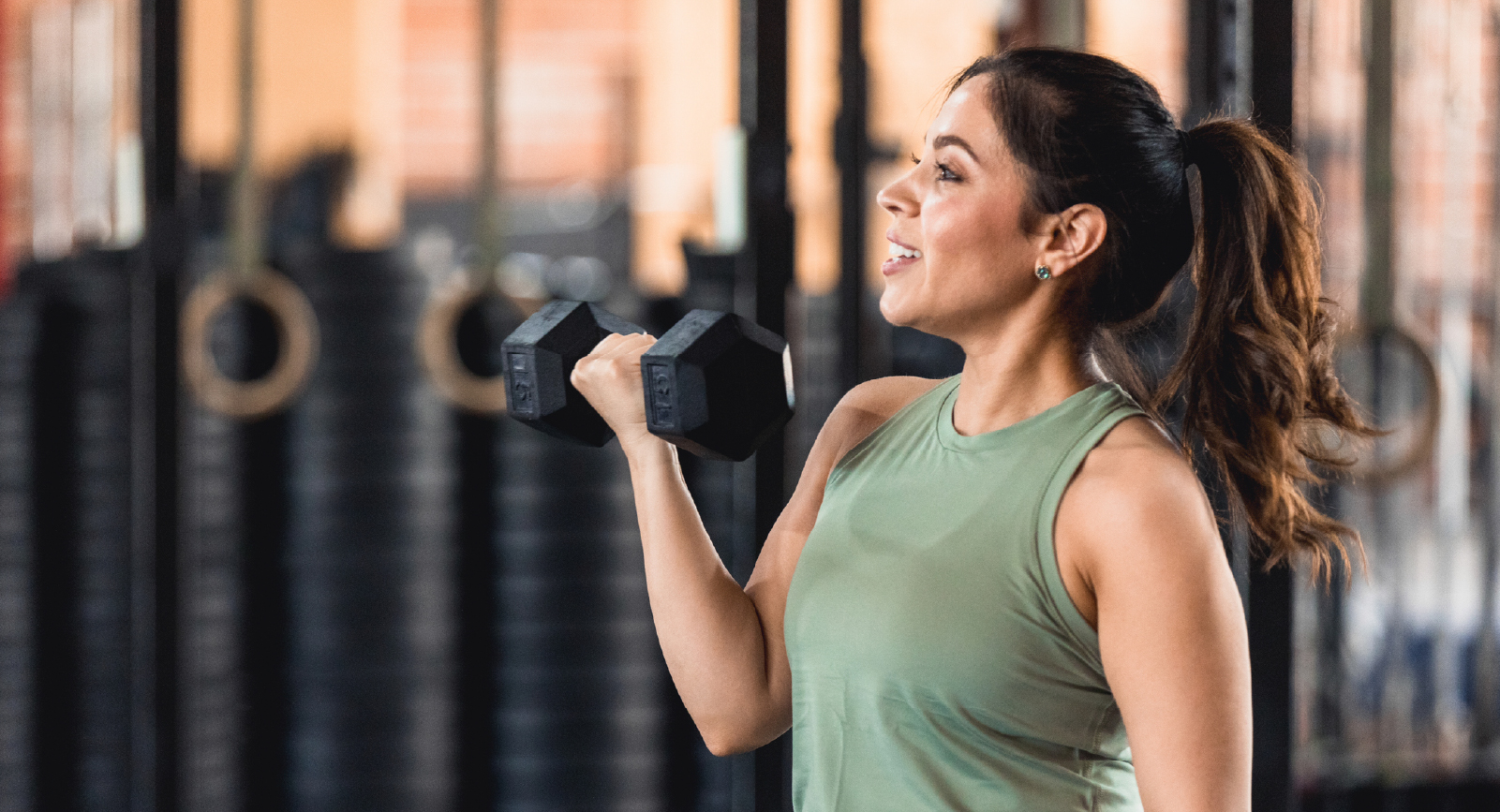
Increasing your muscle strength isn’t the only benefit you can achieve from strength training. “Anyone can benefit from weight training, whether you’re a beginner, athlete, older adult or just interested in mixing up your workout routine,” says Cole Jackson, Professional Fitness Trainer at Cooper Fitness Center. Jackson shares benefits to expect from strength training include:
- Improved muscular strength
- Improved body composition
- Increased physical function
- Improved overall health
“As people age, they experience a decline in muscle mass, strength and bone density,” says Jackson. But with the help of strength training, you can stimulate muscle growth, improve strength and support bone growth. In addition, strength training can help older adults maintain independence and improve overall physical function.
Even with so many benefits of strength training, the machines and exercises can be intimidating. Jackson shares tips to help you start your strength training journey and exercise safely.
Find What’s Right for You
When determining which machines or exercises to begin your strength training program with, it’s important to know how to properly use the machines and/or equipment. A professional fitness trainer is an excellent resource. They can evaluate your current fitness level, develop an exercise program including strength training to help you get started and show you how each piece of equipment works. “Tons of content is also available online that demonstrates how to use certain machines and proper form,” Jackson says.
Watch our Exercise Moves video library for guidance on different exercises from Cooper Fitness Center professional fitness trainers.
Next, finding what weight is best for you is determined by how much you can safely lift during your workout. Not everyone starts with the same weight, and if you try lifting a weight too heavy to handle, it can lead to injury. “Don’t sacrifice form to lift heavier weights,” says Jackson.
Safety and Technique
During your workout, it’s important to use proper form for each exercise. “Proper form ensures the intended muscles are being trained effectively while reducing unnecessary stress on your muscles and body overall,” says Jackson. Work out with a friend or professional fitness trainer who can watch your form and let you know if you need to make any changes. Jackson also explains, “a friend can be great for assistance as they can help spot you when performing heavy lifting.”
Jackson recommends and demonstrates how to properly use a few strength training machines in the Exercise Moves video, Tips for Strength Training Form and Technique.
Other ways to help avoid injuries include:
- Use a fully controlled range of motion
- Use proper breathing techniques
- Keep the training environment organized
- Use safety equipment when necessary
It’s also important to always warm up before your strength training workouts. These warm-ups should prepare your body for movement by:
- Improving blood flow
- Elevating heart rate
- Improving joint mobility
- Activating muscles needed for the exercises you’re going to perform
Improvement Takes Time
You can’t expect to lift heavy weights during your first session; the increase of weight is gradual and depends on the individual. To help determine if it’s time to increase your weight, try adding two or more additional repetitions than you’re used to. If you can complete these repetitions without any struggle, it may be time to increase the weight you are lifting. Listen to your body and avoid unnecessary fatigue or injury.
Cardiovascular training can also help improve your strength training. “You can improve aerobic capacity and overall conditioning by adding cardiovascular training to your weekly workout routine,” says Jackson. For more information about cardiovascular training, read Cardiovascular Exercise: More than Running.
Safe and effective strength training requires patience, proper progression and long-term improvement rather than short-term results. Jackson says, “do the exercises you enjoy while being safe; the gym is full of equipment like cables and free weights, and at the end of the day, you just need to be consistent.”
For professional help with creating a proper strength training program designed to meet your goals, schedule a session with a Cooper Fitness Center professional fitness trainer. Visit cooperfitnesscenter.com or call 972.233.4832.