
Processed Foods: Are They Healthy?
Categories
- All Posts
- Wellness in Business
- Nutrition Bites
- Exercise Moves
- Fitness Files
- Prevention Plus
- Vitamin Aisle
- Recipes - Entrees
- Recipes - Side Dishes
- Recipes - Snacks
- Recipes - Desserts
- Recipes - Breakfast
- Recipes - Appetizers
- Recipes - Salad
- Recipes - Soups
- Cooper Stories
- Self-care
- Dr. Cooper's 8 Healthy Steps
- Skin Care
When we hear the term processed foods, we may think of chips, cookies, sodas or hot dogs. However, many of the foods we eat are processed whether they have been washed, cut, preserved or frozen. Foods that have been processed can range from minimally processed to ultra-processed.
Minimally Processed Foods
Minimally processed foods have been slightly altered primarily for convenience so they can be more easily and safely stored, prepared and eaten. These processes create minimal alterations to the food’s natural nutritional content. For example:
- Pre-cut and packaged fruits and vegetables
- Frozen fruits and vegetables
- Milk
- Cooked chicken
- Pre-cut meat
- Dried pasta
- Seeds and nuts
In addition, foods primarily used as ingredients such as butter, sugar, salt or oils are considered minimally processed culinary ingredients. These ingredients are meant to be combined with other foods during the cooking process and are not meant to be consumed by themselves.
Primarily consuming minimally processed foods on a regular basis is recommended.
Ultra-Processed Foods
Ultra-processed foods are foods with ingredients added to them such as added sugar, fat, preservatives, artificial colors, stabilizers and salt. These added ingredients help make food shelf-stable, highly palatable or more affordable in foods such as:
- Donuts
- Chicken nuggets
- Packaged crackers
- Sugar-sweetened beverages
- Fast food
According to a study published in the British Medical Journal evaluating the American diet, ultra-processed foods comprised 57.9% of total caloric intake and ultra-processed foods from added sugars contributed 89.7% of the caloric intake. A systematic review of epidemiological studies showed a positive association of ultra-processed food consumption and negative health outcomes.
Try to limit ultra-processed foods in your diet by swapping them with minimally processed foods. A few ways to reduce consumption of ultra-processed foods include:
- Snack on fresh fruits, vegetables, nuts or seeds instead of packaged crackers or chips
- Cook more meals at home instead of ordering fast food
- Swap sugary sweetened cereals for oatmeal topped with fresh fruit and walnuts
- Choose a fresh peach instead of peaches packaged in heavy syrup
Decreasing the amount of ultra-processed foods in your diet can help reduce the amount of added sugar, salt and fat you consume daily. Although most ultra-processed foods should be limited in your diet, you can enjoy a few types on a regular basis such as:
- Packaged whole grain bread
- Whole grain cereal
- Low sugar flavored yogurt
Harvard School of Public Health shares an example of the “spectrum of food processes” for a peanut, from unprocessed to ultra-processed.
- Unprocessed: Peanuts in the shell
- Minimally processed: Shelled plain peanuts
- Processed: Natural peanut butter made with only peanuts and salt
- Ultra-processed: Peanut butter with added sugar, salt and emulsifiers
Grocery Shopping Tips
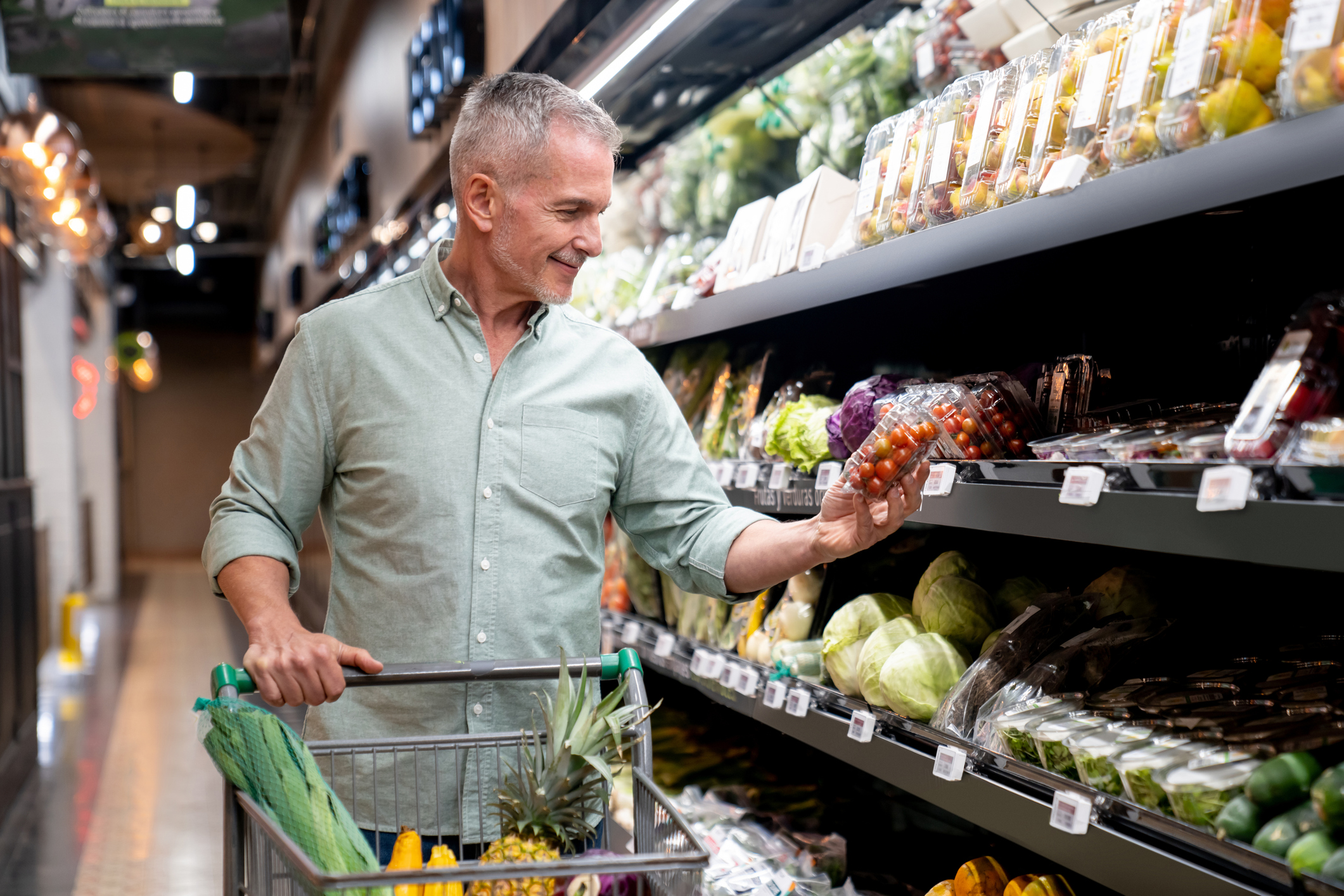
Minimally processed foods and/or minimally processed foods combined with processed culinary ingredients, can be enjoyed on a regular basis and consumed more often than ultra-processed foods. A good rule of thumb is to shop on the perimeter of the grocery store. Typically, minimally processed foods such as fresh meat, fruits, vegetables, milk, yogurt and more are located around the perimeter of the grocery store.
Another helpful tip is reading the ingredient list on packaged foods. If a packaged food has a long list of ingredients including added sugars, artificial colors, additives and other ingredients that may be unrecognizable, this is a good indicator the food is ultra-processed. It’s always best to limit the consumption of ultra-processed foods and replace them with minimally or unprocessed foods as an overall healthy practice.
Schedule a nutrition consultation with a Cooper Clinic registered dietitian nutritionist for more information and assistance with creating a healthy eating plan to help you achieve your goals. Call 972.560.2655 or visit cooperclinicnutrition.com.
Article written by Kirstin Taylor, MS, RDN, LD, and Cooper Clinic Nutrition.
Reference: Monteiro CA, Cannon G, Moubarac J-C, Levy RB, Louzada MLC, Jaime PC. The UN Decade of Nutrition, NOVA food classification and the trouble with ultra-processing. Public Health Nutrition. 2018;21(1):5-17. Doi:10.1017/S1368980017000234