
Late-Night Snacking
Categories
- All Posts
- Wellness in Business
- Nutrition Bites
- Exercise Moves
- Fitness Files
- Prevention Plus
- Vitamin Aisle
- Recipes - Entrees
- Recipes - Side Dishes
- Recipes - Snacks
- Recipes - Desserts
- Recipes - Breakfast
- Recipes - Appetizers
- Recipes - Salad
- Recipes - Soups
- Cooper Stories
- Self-care
- Dr. Cooper's 8 Healthy Steps
- Skin Care
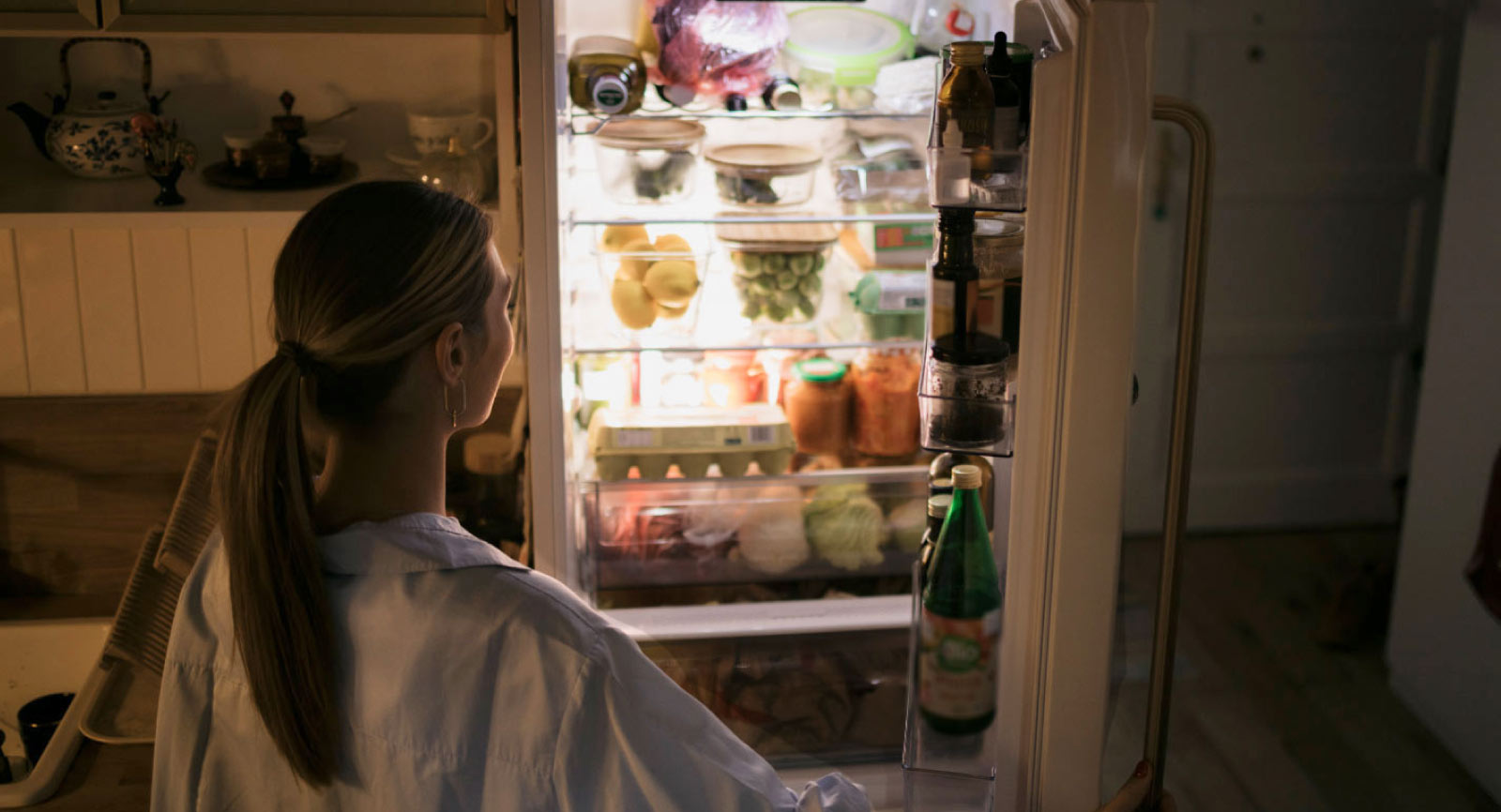
More than 90% of Americans consume snacks throughout the day, especially in the evening. Evening snacks typically provide poor nutrition and are foods higher in sugar and added fat and lower in fiber. Late-night snacking—typically defined as eating a small portion of food between the hours of 8 p.m. and midnight—has been associated with higher BMI and increased risk of type 2 diabetes. One study found people eat more snacks when snacking at night than during the day and those who avoid eating two hours before bed consume 53 to 235 fewer calories per day.
Why Do We Eat Snacks at Night?
Snacking at night can be caused by a variety of factors, such as stress, habits, emotions, boredom or simply not eating enough throughout the day.
- Stress: Stress can impact our hunger and satiety hormones. When your body is experiencing stress, it releases a stress hormone called cortisol, which can influence appetite and cravings. This can lead to those late-night cravings for snacks.
- Routine and habits: Having a snack at night may be a part of your routine, a long-time habit.
- Emotional reasons: Eating snacks due to emotional reasons is a way to cope with these feelings. It may provide some relief from the discomfort of sadness, anxiety and other emotions.
- Boredom: Eating can be a way to fill time or be something we do mindlessly.
- Inadequate intake: Not having enough food to fuel us through the day can lead to feeling hungry at night. Beginning the day with a filling breakfast can help reduce daily food intake, body fat mass and unhealthy snacking at night.
Potential Impacts of Nighttime Snacking
- Weight: Evening snacking may lead to weight gain over time. However, by being mindful it can fit into your health goals. Choosing balanced snacks that include protein, fiber and/or healthy fats can help you feel satisfied and may reduce mindless or repetitive snacking. Listening to your hunger cues and eating enough throughout the day can also support steady energy and weight balance.
- Insulin resistance: Snacking at nighttime can lead to increased glucose levels, especially when snacks are low in fiber. It can also cause more insulin resistance, which can lead to elevated blood sugars and a higher risk of type 2 diabetes.
- Sleep: Your circadian rhythm may be affected by the type of snacks you have closer to bedtime. This is why it is key to choose better snacks specifically for the evening to help mitigate any negative effects that can impact our sleep. Aim to have a two-to-three-hour window between your evening snack and bedtime.
If you feel you need a snack, you may choose a lighter portion or try some of the following options that can be digested more easily and support restful sleep.
- Nuts
- Greek yogurt with berries
- Apples and peanut butter
- Popcorn
- Edamame
- Small banana with almond butter
Ways to Break Your Late-Night Snacking Habit
Below are some activities to help you wind down instead of snacking at nighttime. These ideas can be useful especially if the “why” behind your snacking is due to boredom or emotion.
- Meditation and breathing exercises (1-5 minutes)
- Reading a book or listening to an audiobook
- Listening to a podcast
- Journaling
- Taking a short, five-minute walk or movement “snack” (low-intensity activities such as planks, squats, sit-ups and push-ups)
Snacking at night can be part of a balanced lifestyle. Building balanced meals during the day, tuning into hunger and fullness cues and choosing satisfying evening snacks can support better sleep, a healthier weight, insulin management and overall well-being.
A Cooper Clinic registered dietitian nutritionist can help with improving your snacking habits, to schedule a nutrition consultation, visit cooperclinicnutrition.com or call 972.560.2655.
Article written by Karen Sierra, Dietetic Intern at Texas A&M University, and Cooper Clinic Nutrition