
Functional Foods Go Beyond Nutrition
Categories
- All Posts
- Wellness in Business
- Nutrition Bites
- Exercise Moves
- Fitness Files
- Prevention Plus
- Vitamin Aisle
- Recipes - Entrees
- Recipes - Side Dishes
- Recipes - Snacks
- Recipes - Desserts
- Recipes - Breakfast
- Recipes - Appetizers
- Recipes - Salad
- Recipes - Soups
- Cooper Stories
- Self-care
- Dr. Cooper's 8 Healthy Steps
- Skin Care
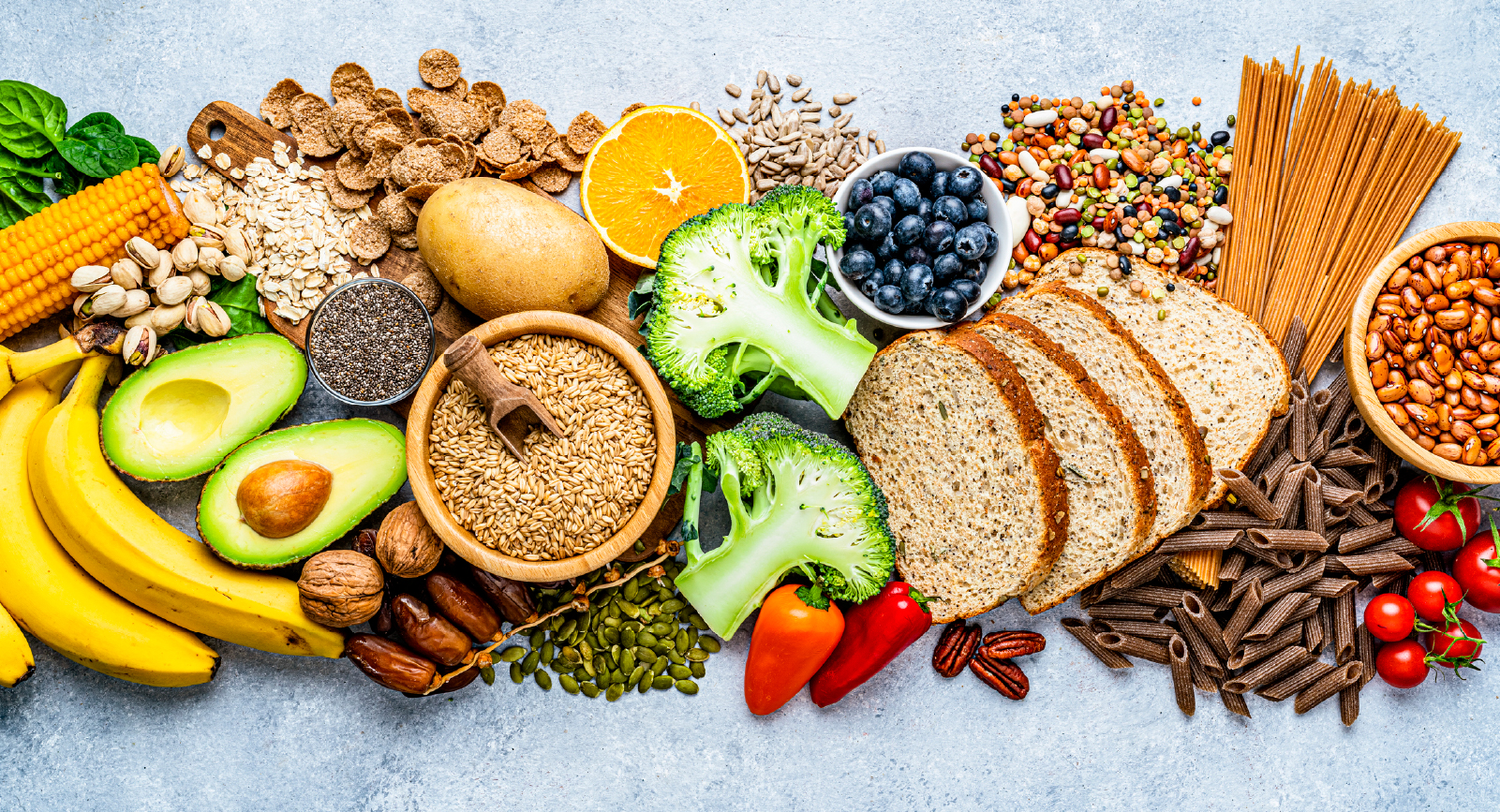
Functional foods provide health benefits beyond basic nutrition. In addition to supplying nutrients such as carbohydrates, protein, fat, vitamins and minerals, they contain bioactive compounds that can help reduce disease risk or support bodily functions.
Two types of functional foods are conventional and those that are modified.
Conventional:
- Fruits and vegetables provide antioxidants, fiber and phytonutrients
- Whole grains provide fiber and beta-glucans (soluble fiber)
- Fatty fish provide omega-3 fatty acids
- Nuts and seeds provide healthy fats, plant sterols and stanols
- Fermented foods provide probiotics
Modified (fortified or enhanced):
- Fiber-enriched cereals, bars and breads
- Omega-3 fortified eggs
- Vitamin D in milk or plant-based milk
- Plant stanols in spreads
Benefits of Functional Foods
Functional foods can be beneficial in helping lower risk of heart disease, type 2 diabetes and certain cancers. They can also help improve digestive health for people with constipation or diarrhea as well as some with irritable bowel syndrome. Enhanced immune function and improved cognitive health are additional benefits of functional foods.
Research is ongoing to better understand the health benefits associated with the nutrients found in functional foods.
Probiotics have been studied with results indicating they can improve gut barrier function leading to less antibiotic-associated diarrhea, improved regulation and reduced eczema in children.
A 2025 meta-analysis of prospective cohort studies found higher fiber intake was associated with lower all-cause mortality and reduced deaths from cardiovascular disease, cancer and diabetes. Fiber consistently has the most research for disease prevention.
In addition, a meta-analysis of randomized controlled trials of showed omega-3 fatty acids, particularly EPA, are associated with reduced cardiovascular mortality as well as a reduction in heart attacks. Food-based sources, such as salmon, walnuts and flax seeds, are preferred over supplements in this case.
Calcium and vitamin D are taken together to support absorption and studies show enhanced absorption reduces the breakdown of bones.
Another fortified ingredient, plant stanols are added to spreads, dairy and some beverages. A 2025 systematic review of 14 randomized controlled trials showed these foods significantly lowered total cholesterol as well as LDL (bad cholesterol) in individuals with high cholesterol.
Examples of Modified Functional Foods
Always focus on a whole food approach and consider trying one of the modified functional food products below.
Low calorie soda:
- OLIPOP® provides 9 g fiber with chicory root and casava (varies by flavor)
- culture pop® provides a live probiotic, Bacillus subtilis
- poppi™ provides 2 g fiber with agave inulin, cassava root and apple cider vinegar
Nutrition bars:
- The Feel Bar™ provides botanicals such as mushrooms, adaptogens, herbs and spices
- JiMMYBAR! has fiber, omega-3s and creatine
- BALANCED TIGER contains functional mushrooms
Cereals:
- Lovebird® contains whole foods and spices such as cinnamon and cocoa
- Nature’s Path Organic® cereal contains wheat bran and oat fiber
- Catalina Crunch® provides protein and fiber
Bread:
- Ezekiel 4:9® contains sprouted grains
- Arnold® Grains Almighty™ Gut Balance includes insulin fiber and protein
- Sourdough bread consists of prebiotic fiber
Functional foods do not replace medication or cure diseases. Their benefits are most effective when they are part of an overall balanced diet, along with regular physical activity and healthy lifestyle choices.
If you would like evidence-based nutritional guidance, schedule an appointment with a Cooper Clinic Registered Dietitian Nutritionist. Visit cooperclinicnutrition.com or call 972.560.2655.
Article written by Amber Grapevine, MS, RDN, LD, and Cooper Clinic Nutrition.