
Community Health: Connection Matters
Categories
- All Posts
- Wellness in Business
- Nutrition Bites
- Exercise Moves
- Fitness Files
- Prevention Plus
- Vitamin Aisle
- Recipes - Entrees
- Recipes - Side Dishes
- Recipes - Snacks
- Recipes - Desserts
- Recipes - Breakfast
- Recipes - Appetizers
- Recipes - Salad
- Recipes - Soups
- Cooper Stories
- Self-care
- Dr. Cooper's 8 Healthy Steps
- Skin Care
Humans are naturally wired for connection. Strong social relationships play a vital role in emotional well-being, mental resilience and overall health. Yet many people today are experiencing increasing levels of social stress and disconnection. According to the Stress in America™ 2025 survey, more than six in 10 U.S. adults report societal division as a significant source of stress in their lives. In addition, more than half of adults say they have felt isolated at times, and about half report feeling left out or without companionship either often or some of the time.
Social isolation and loneliness can occur for many reasons. Life transitions such as moving to a new area, changes in relationships or friends and family relocating can make it more difficult to maintain regular connections. Physical or mental health challenges may also limit social interaction. In some cases, unrecognized hearing or vision changes can cause individuals to withdraw from conversations or social activities because it becomes more difficult to participate comfortably.
Loneliness can affect both emotional and physical health. When the brain perceives social isolation, it can trigger a stress response and lead to persistently elevated cortisol levels. Research continues to show chronic loneliness can influence the body in ways similar to other forms of prolonged stress. Over time, this chronic stress response may contribute to or worsen several health conditions, including:
- Increased blood pressure and cardiovascular disease risk
- Greater risk of heart attack and stroke
- Cognitive decline and increased risk of dementia
- Higher rates of depression and anxiety
- Sleep disturbances and reduced sleep quality
- Weakened immune function and increased susceptibility to infections
- Increased systemic inflammation
- Greater risk of abdominal weight gain and insulin resistance
- Hormonal changes, including reduced sex hormones
- Increased risk of early mortality
Finding a Group for You
Your community is not limited to the people who live nearby. Meaningful connections can also form through shared experiences, interests and hobbies. Many people find a sense of belonging through groups that bring individuals together around common values or activities.
Four types of social groups to consider—or recommend to others—include:
1. Volunteer or Service Organizations
Volunteer groups provide opportunities to give back while also building meaningful relationships. Working alongside others toward a shared purpose often creates strong connections and a sense of fulfillment.
2. Spiritual or Religious Communities
Spiritual or faith-based communities can offer a place to connect with individuals who share similar values, beliefs and traditions. These groups often provide a sense of belonging, support and familiarity.
3. Work-Based Communities
Co-workers, professional organizations and industry associations can provide regular opportunities for connection through meetings, collaboration and shared goals. These interactions help strengthen relationships while also maintaining a sense of professional identity. Activities such as mentoring others or participating in team projects can further reinforce your role within your organization.
4. Sports or Recreational Groups
Sports teams and recreational groups can foster a sense of belonging and teamwork. Working toward shared goals—whether improving performance, staying active or competing—naturally strengthens social bonds while also supporting physical health.
The Health Benefits of Staying Connected
Participating in community activities or joining social groups can provide meaningful benefits.
Emotionally
Being part of a community helps reduce feelings of loneliness and lowers the risk of depression. Social groups provide a sense of belonging, support and purpose while allowing individuals to both receive and offer encouragement.
Cognitively
Engaging in conversations and group activities stimulates the brain and supports memory and cognitive function. Regular social interaction helps maintain attention, problem-solving abilities and mental engagement.
Physically
Many community activities involve movement and physical participation. Staying active supports cardiovascular health, helps maintain healthy blood pressure and reduces the risk of insulin resistance.
Behaviorally
Being around others who practice healthy habits can be influential. Observing peers who prioritize exercise, good sleep and overall wellness can motivate individuals to adopt similar behaviors.
How to Help Someone Experiencing Loneliness
Individuals who feel lonely or disconnected often show subtle signs. A person may begin spending more time alone than usual, decline invitations they previously accepted or withdraw from activities they once enjoyed. They may also appear more anxious, down or easily irritated.
If you notice these changes in someone close to you, small acts of support can make a meaningful difference. Simple invitations can be a helpful first step. For example: “Would you like to come with me to ______?”
Inviting them to an activity that’s low-pressure and flexible can make participation easier. Short outings or activities where conversation is not the primary focus—such as crafts, volunteer work or walking—can help individuals feel more comfortable.
Transportation may also be a barrier for some people. Offering a ride, helping arrange transportation or assisting with rideshare or public transit can make participation easier.
Creating Your Own Community
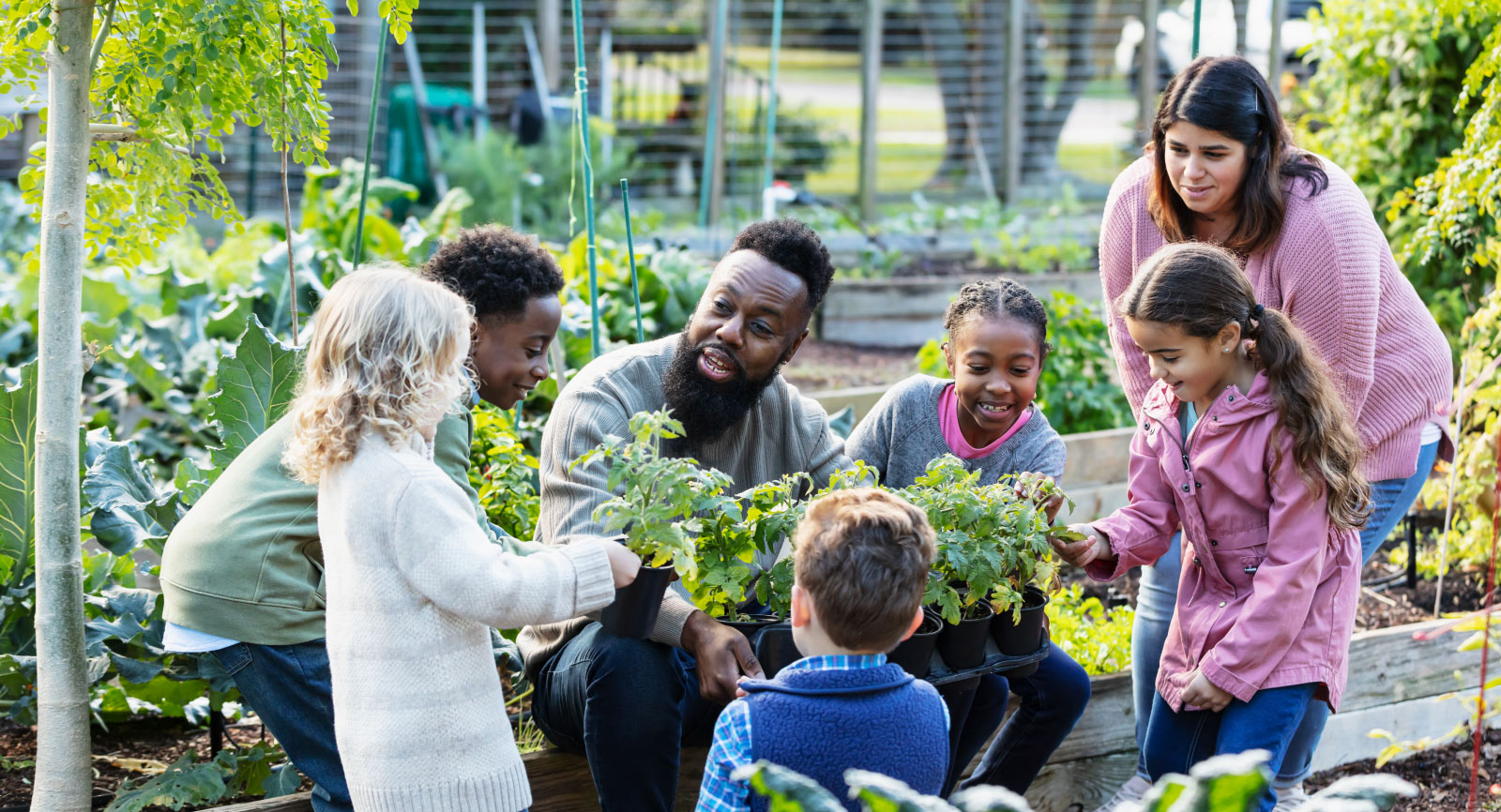
If you cannot find a group that fits your interests, consider starting one of your own. Community can grow naturally from shared activities such as a book club, walking group, gardening group or volunteer effort. Beginning with a small group is often the easiest way to build momentum and expand over time.
When creating a community group, it can be helpful to include:
- Activities that welcome people of different ages and backgrounds
- Events that are inviting to new members and long-standing participants
It is also important to normalize conversations about loneliness. Many individuals feel hesitant to admit they are struggling with isolation. Creating an environment where people feel safe discussing their experiences can foster deeper connection and support.
Taking the first step toward joining or building a community can have meaningful benefits for both mental and physical health. Even small connections—sharing a meal, joining a group activity or volunteering alongside others—can help strengthen relationships and create a sense of belonging. Loneliness can affect anyone at different stages of life, which is why staying connected with friends, neighbors and family members remains an important part of maintaining overall health and well-being.
If you haven’t seen your health care provider in a while, now is a good time to make an appointment. For more information about Cooper Clinic or to schedule a comprehensive preventive exam, visit cooper-clinic.com or call 866.906.2667.
Article written by Suzanne T. Pham, MD, FAAP, Cooper Clinic Preventive Medicine Physician.