
Can Beet Juice Help Lower Blood Pressure?

Categories
- All Posts
- Wellness in Business
- Nutrition Bites
- Exercise Moves
- Fitness Files
- Prevention Plus
- Vitamin Aisle
- Recipes - Entrees
- Recipes - Side Dishes
- Recipes - Snacks
- Recipes - Desserts
- Recipes - Breakfast
- Recipes - Appetizers
- Recipes - Salad
- Recipes - Soups
- Cooper Stories
- Self-care
- Dr. Cooper's 8 Healthy Steps
- Skin Care
Summary: Despite increasing interest in plant-based nutrition, many Americans still fall short in vegetable intake. And beets are among the least favored vegetables. Yet, beets (and beet juice) are rich in natural nitrates that may offer cardiovascular benefits, including support for blood pressure. This blog explores the science behind beets, nitrates, nitric oxide, and related supplements like L-arginine and L-citrulline to answer an important question: Can beet juice help lower blood pressure†?
This article was inspired by a question from a health-conscious client who follows a heart-healthy lifestyle that includes strength training, interval workouts, infrared sauna sessions, and light supplementation with nitric oxide and glutathione. He asked: “Do nitric oxide supplements really work, and what else should I know about naturally supporting blood pressure?” We took a closer look at the science to find out.
Table of Contents
- Vegetable Intake and Why Americans Skip Beets
- Beet Nutrition and Potential Heart Health Benefits
- Blood Pressure and Cardiovascular Risk
- How Nitrates and Nitric Oxide Affect Blood Pressure
- L-Arginine and Blood Pressure Research
- L-Citrulline and Its Role in Blood Pressure Support
- Beet Juice and Blood Pressure: What the Research Shows
- Beet Supplements vs. Beet Juice: Nitrate Content Comparison
- Other Supplements That May Support Healthy Blood Pressure
- Lifestyle Changes to Help Support Blood Pressure
- Conclusion: Can Beet Juice Help Lower Blood Pressure Naturally?
Vegetable Intake and Why Americans Skip Beets
According to the CDC, only about 10% of Americans meet the recommended daily intake of 2–3 cups of vegetables. Although there’s growing awareness of plant-based diets, many are still falling short.
And when it comes to beets? One survey showed they are the second most disliked vegetable, right behind turnips. Despite their reputation, beets are incredibly nutrient-dense and offer several potential health benefits†.
Beet Nutrition and Potential Heart Health Benefits
Beets provide several essential nutrients, including folate and manganese. These nutrients are crucial for bone development and the production of red blood cells. In whole form, beets are a good source of Vitamin A, which contributes to vision health. As a good source of antioxidants, vitamins, and nitrates, they contribute to reduced inflammation and improved heart health. Let’s explore how the nitrates in beets and beet juice may offer a natural way to lower blood pressure†.
Nitric oxide (NO) is a naturally produced gas that helps blood vessels relax and widen, which enhances blood flow and lowers blood pressure.
Foods high in nitrates, like beets and leafy greens, can increase nitric oxide levels. It can also be produced from the amino acids L-arginine and L-citrulline. Many Americans don’t like the taste of beets, so some are turning to supplements. But are supplements as effective as drinking beet juice? Many supplements list “nitric oxide” on their labels. If you inspect the label carefully, these products do not contain nitric oxide (a gas) but include ingredients such as L-arginine or L-citrulline, which might increase nitric oxide production in the body.
Blood Pressure and Cardiovascular Risk
Hypertension, more commonly referred to as high blood pressure, is the leading cause and risk factor for cardiovascular disease. Hypertension affects nearly 1 in 2 American adults and is a leading risk factor for heart attacks and strokes. It’s defined as:
- Systolic BP over 130 mmHg
- Diastolic BP over 80 mmHg
How Nitrates and Nitric Oxide Affect Blood Pressure†
There is some evidence that beet juice may help lower blood pressure due to its high nitrate content. Bacteria in the mouth convert this nitrate into nitrite, which is then either absorbed or changed into nitric oxide in the stomach. Both nitrite and nitric oxide improve endothelial function (the ability of the blood vessels to widen and contract), which can help lower blood pressure. Since the conversion process occurs in the mouth, oral hygiene, including the use of mouthwash, can reduce the effectiveness.
What is Nitric Oxide?
Nitric oxide isn’t a new area of research in cardiovascular science. It gained interest about 40 years ago, and now there are over 115,000 scientific articles published on nitric oxide.
Nitric oxide relaxes blood vessels, allowing more blood to flow through the arteries and reducing blood pressure. It is converted from the amino acid L-arginine. Another amino acid, L-citrulline, can be converted to L-arginine and then to nitric oxide. Some foods, like beetroot and leafy greens, are rich in nitrates, which the body can convert into nitric oxide. This may explain the interest in beet supplements or beet juice to lower blood pressure†.
L-Arginine and Blood Pressure Research†
What Is L-Arginine and How Might It Support Blood Pressure†?
L-arginine is an amino acid that is necessary for the body to produce nitric oxide†. It is found in foods such as red meat, poultry, fish and dairy products. L-arginine has been studied for various conditions related to blood flow, including high blood pressure†.
What Research Says About L-Arginine and Blood Pressure†
A meta-analysis in 2011 of 11 small clinical trials that included 387 people (72% had high blood pressure) found that taking 4-24 grams of L-arginine daily for 2-24 weeks lowered systolic blood pressure by an average of 5.39 mmHg and diastolic blood pressure by 2.66 mmHg compared to a placebo†. The average dose was 9 grams taken for 4 weeks.
Since more studies have been conducted since the 2011 review, another meta-analysis was done in 2022. Researchers included twenty-two studies of adults taking L-arginine for at least four days. The results showed that L-arginine helped lower both systolic and diastolic blood pressure†. On average, systolic pressure dropped by 6.4 mmHg and diastolic pressure dropped by 2.6 mmHg†. These results were seen in both people with normal blood pressure and those with high blood pressure, regardless of age, sex or weight†.
L-Citrulline and Its Role in Blood Pressure Support†
L-citrulline is a non-essential amino acid produced naturally in the body†. The body converts it to L-arginine, so the idea is that it will then aid in improving blood flow†.
L-Citrulline for Blood Pressure: Why The Evidence Is Mixed†
However, several studies have not supported this finding. A small clinical trial in adults with hypertension found that taking 2 grams of L-citrulline with grape and cranberry polyphenols, 548 mg daily for 6 weeks, did not reduce mean out-of-office blood pressure compared to a placebo (conducted out of office to reduce influences such as white coat syndrome†). A meta-analysis of eight trials concluded that L-citrulline may reduce systolic blood pressure†. However, the sample size of each trial was small, ranging from 12 to 34 people, and lasted less than four weeks. Additionally, the participants were healthy, so it cannot be concluded that the same would be true for those with high blood pressure†.
Beet Juice and Blood Pressure: What the Research Shows†
A review of 43 studies found participants’ systolic and diastolic blood pressures decreased by an average of 3.55 and 1.32 mmHg, respectively, after they drank beetroot juice†.
Beet Juice and Blood Pressure: Why Age Matters†
A recent study examined the effect of beet juice on blood pressure in adults in their 60s and 70s compared to adults under 30. When those over 60 drank concentrated beet juice, 750 mg, twice per day for two weeks, they saw a decrease in blood pressure†. This was not seen in the younger group.
Beet Supplements vs. Beet Juice: Nitrate Content Comparison†
While taking a supplement may be a desirable alternative to drinking earthy beet juice, research shows supplements do not offer the amount of nitrates found in beet juice! Researchers from Purdue University looked at nitrate content in beet juice and beetroot supplements (pills, capsules, etc.). They found that a serving of beet juice can contain anywhere from 230 to 1000 mg of nitrates. Beet supplements in powdered form contained only 5 to 10 mg of nitrates. Another consideration when looking at beet supplements is that measurements may refer to the amount of beet powder inside each capsule, not the nitrates in each capsule.
Beet Juice Vs. Supplement Nitrate Content |
|
|---|---|
| Source | Nitrate Content |
| Beet Juice* | 300-400 mg |
| Beet Powder (drink mix)* | 80-150 mg |
| Beet Supplement (capsule) | 10 mg |
*Most beet juice brands do not list nitrate content on the label. Some may reference “naturally occurring nitrates” or “nitrate equivalents,” but the actual amount is often unclear, overly vague, or just missing. For best results, choose brands that clearly state the nitrate content per serving. It’s not enough for the label to say that it contains nitrates; the nutrition facts or ingredient details should provide the actual amount to ensure you’re getting an effective dose.
Other Supplements That May Support Healthy Blood Pressure†
In addition to beet juice to lower blood pressure, research suggests that other nutrients may also support healthy blood pressure†.
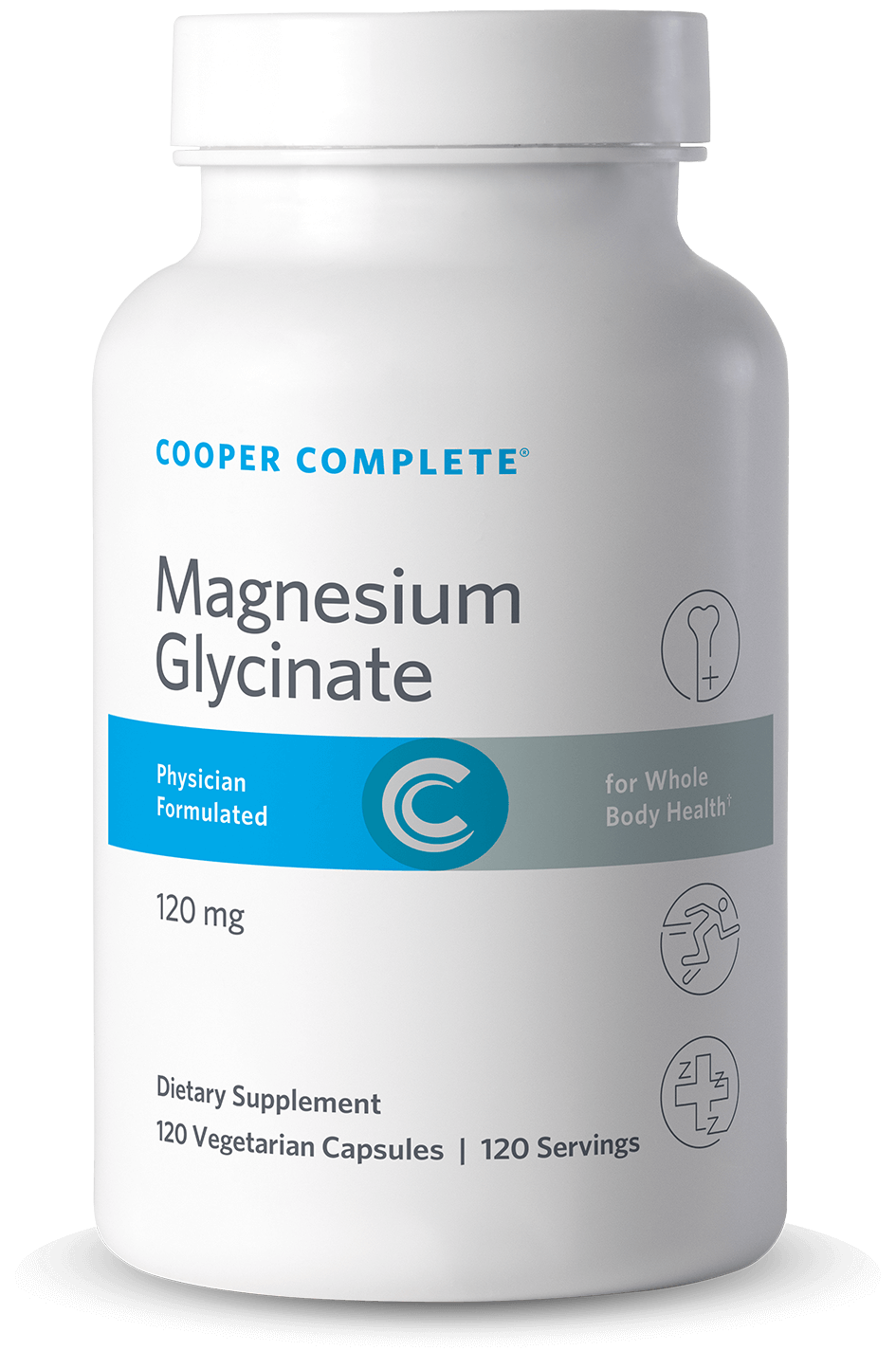
120 mg Magnesium Glycinate Supplement
Highly absorbable magnesium glycinate designed to support relaxation, muscle function, sleep, energy production, and overall wellness.†
$25.98 Shop NowHow Magnesium May Help Support Healthy Blood Pressure†
Magnesium is a mineral involved in hundreds of bodily functions, including muscle contraction, nerve function, and blood pressure regulation†. It helps relax blood vessels, which may lower resistance and ease pressure on the heart†.
A published analysis in Hypertension looked at clinical trial results involving magnesium supplementation†. Overall, researchers found significant results for people who consumed about 350 mg per day of magnesium†. This group “significantly reduced systolic BP by 2.00 mm Hg and diastolic BP by 1.78 mm Hg†.” Cooper Complete offers a 120 mg Magnesium Glycinate in the chelate form for better absorption while also being gentle on the stomach†.
Coenzyme Q10 (CoQ10) for Blood Pressure Support: What the Research Shows†
CoQ10 Ubiquinol (also referred to as Coenzyme Q10) is a powerful antioxidant found in virtually all body cell membranes and tissues†. Its primary function is to serve as a catalyst to convert food into energy†. One of the highest areas of concentration of CoQ10 is the heart. Several clinical trials have found that CoQ10 supplementation (typically 100–200 mg per day) can lower systolic blood pressure by up to 10–17 mmHg and diastolic pressure by 8–10 mmHg†. Cooper Complete offers a 100 mg and a 50 mg CoQ10.
Glutathione and Blood Pressure: Limited Evidence, Broad Antioxidant Role†
Glutathione is a powerful antioxidant naturally produced in the body that helps reduce oxidative stress and support immune and cellular health†. Since oxidative stress can negatively impact blood vessel function, some researchers believe glutathione may play a role in supporting vascular health and, by extension, healthy blood pressure†.
However, clinical evidence linking glutathione supplementation directly to lower blood pressure is limited. While people with hypertension often have lower glutathione levels, current research has not established whether taking glutathione, or its precursors like N-acetylcysteine, meaningfully impacts blood pressure†. For now, glutathione may support overall wellness, but supplements like magnesium, CoQ10, and beet juice are more evidence-backed for blood pressure support†.
(Bonus: Read this blog about the Best Supplements to Support Healthy Blood Pressure†.)
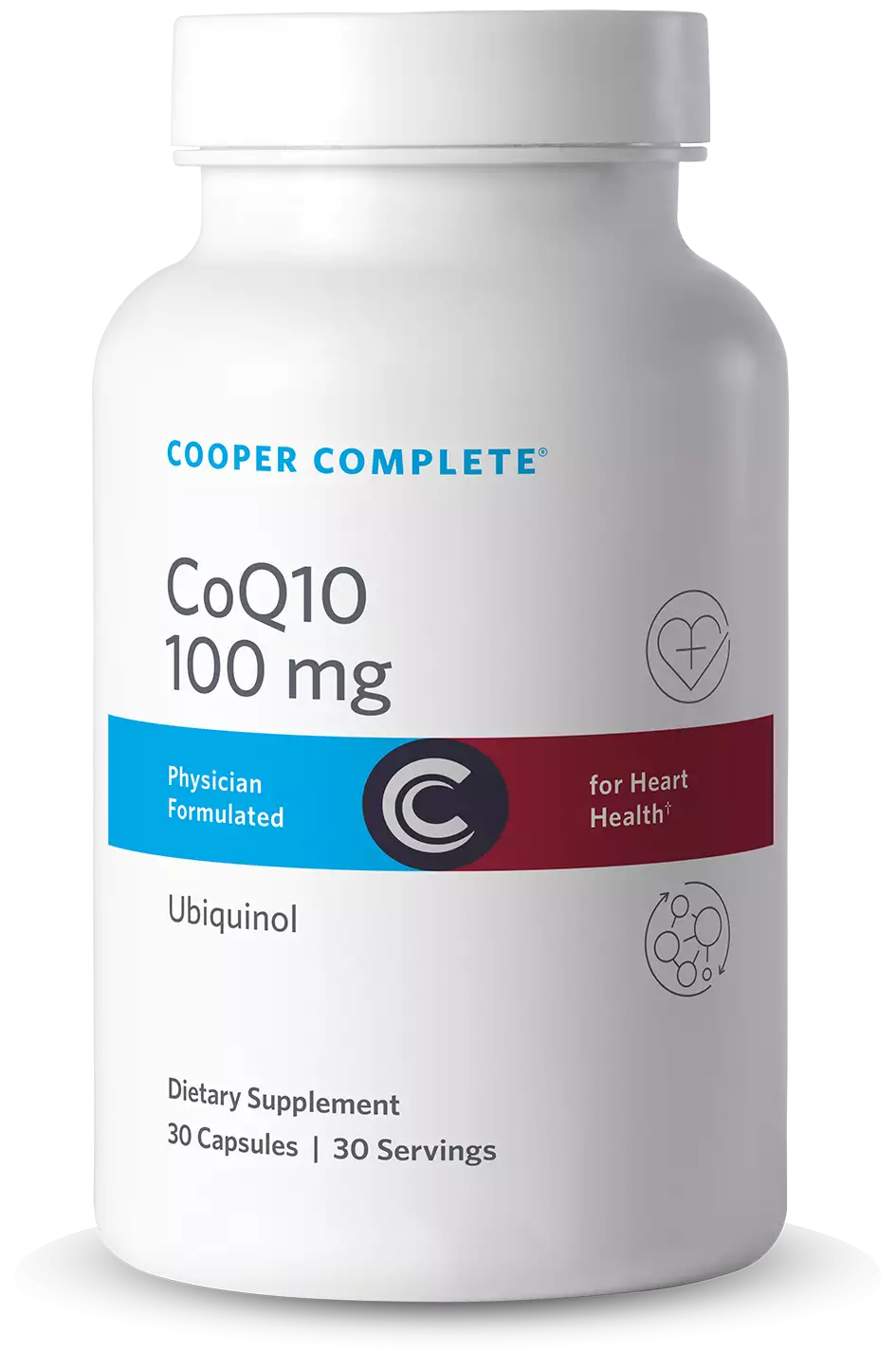
100 mg CoQ10 Ubiquinol Supplement
Ubiquinol CoQ10 support for heart and cellular energy health. Bioavailable CoQ10 in a form the body can readily use.
$37.98 Shop NowLifestyle Changes to Help Support Blood Pressure†
Lifestyle changes can help manage blood pressure. Many of these natural ways to lower blood pressure are what Dr. Kenneth H. Cooper recommends as the 8 Steps to Get Cooperized™.
Increase Physical Activity
Physical activity helps strengthen the heart, which helps the heart pump the blood more efficiently and may reduce the force on the arteries. It also stimulates the release of nitric oxide, which, as discussed above, helps relax the blood vessels to improve blood flow. Aim for at least 150 minutes of moderate aerobic activity each week.
Heart-Healthy Eating Tips to Help Support Blood Pressure†
Limit salt. The American Heart Association recommends limiting sodium intake to no more than 2300 mg per day, with a goal of no more than 1500 mg per day. For those with high blood pressure, physicians may recommend a lower amount.
Follow the DASH diet. The Dietary Approach to Stop Hypertension (DASH) is designed to support healthy blood pressure by prioritizing fruits, vegetables and whole grains. It includes lean protein such as fish and poultry, and limiting saturated fat and sugar.
Manage Stress
Chronic stress is linked to high blood pressure, and it can also lead to unhealthy coping behaviors such as overeating or excessive alcohol consumption. Find a stress management technique that works for you, such as deep breathing, meditation or even a walk outdoors.
Conclusion: Can Beet Juice Help Lower Blood Pressure Naturally†
Beet juice for blood pressure support appears to offer potential cardiovascular benefits, particularly in older adults, due to its nitrate content and the body’s ability to convert it to nitric oxide†. Supplements, while convenient, often fall short in delivering effective nitrate levels.
Maintaining healthy blood pressure involves more than just drinking beet juice. Equally important are lifestyle changes that support healthy blood pressure and long-term health.
While beet juice and other supplements can help support blood pressure and vascular health, they are not a treatment for hypertension or heart disease†. Always consult with your physician or health care provider before making changes to your regimen, especially if you have hypertension or heart disease†.
Shop Supplements for Heart Health†
About the Author: Cathy Sides is Director of Customer Relations for Cooper Complete® nutritional supplements. Since joining Cooper Aerobics in 2007, she has helped thousands of customers make informed supplement choices. Cathy also contributes blog content focused on vitamins, supplements, and healthy living.
- Centers for Disease Control and Prevention (CDC). Only 1 in 10 Adults Get Enough Fruits or Vegetables. 2017.
- Centers for Disease Control and Prevention (CDC). High Blood Pressure Facts, 2025.
- Siervo M, et al. Effects of beetroot juice on blood pressure in adults: a systematic review and meta-analysis. Nutrients. 2017;9(10):1107.
- Hord NG, et al. Nitrate content and variability in beetroot supplements and juice. Nutrition Research. 2020;79:22–32.
- Dong JY, et al. L-arginine supplementation and blood pressure: a meta-analysis of randomized, double-blind, placebo-controlled trials. American Heart Journal. 2011;162(6):959–965.
- McRae MP. Therapeutic benefits of L-arginine: updated meta-analysis of blood pressure effects.
- Ochiai M, et al. L-citrulline supplementation and blood pressure: a systematic review and meta-analysis. American Journal of Clinical Nutrition. 2019;109(6):1670–1677.
- Rosique-Esteban N, et al. Magnesium intake and blood pressure: a meta-analysis of randomized trials. Hypertension. 2016;68(2):324–333.
- Rundek T, et al. Coenzyme Q10 supplementation and blood pressure: a controlled clinical trial and meta-analysis. 2007.
- American Heart Association. Sodium and Heart Health. 2023.