
Stay Sharp with the MIND Diet
Categories
- All Posts
- Wellness in Business
- Nutrition Bites
- Exercise Moves
- Fitness Files
- Prevention Plus
- Vitamin Aisle
- Recipes - Entrees
- Recipes - Side Dishes
- Recipes - Snacks
- Recipes - Desserts
- Recipes - Breakfast
- Recipes - Appetizers
- Recipes - Salad
- Recipes - Soups
- Cooper Stories
- Self-care
- Dr. Cooper's 8 Healthy Steps
- Skin Care
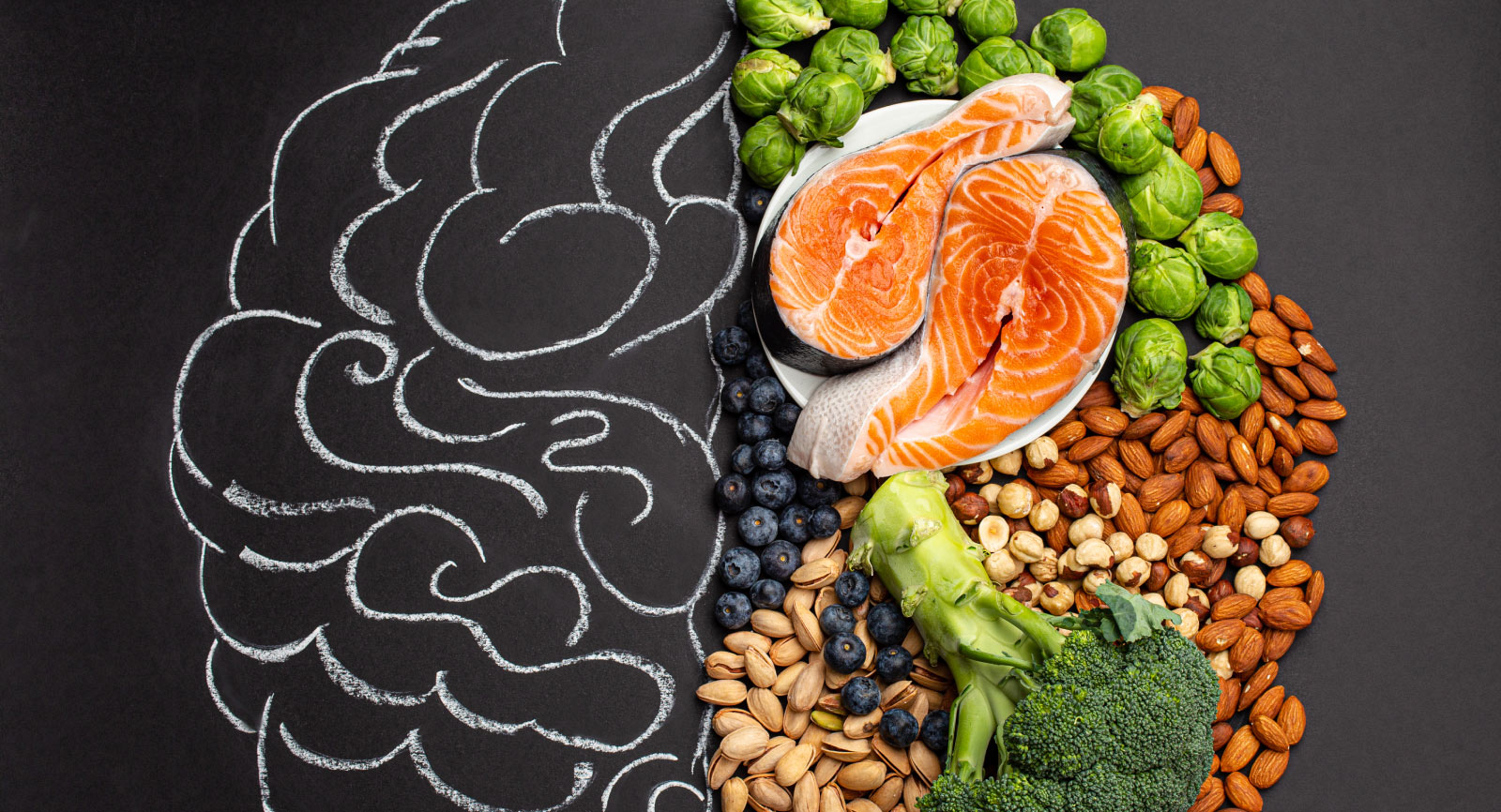
The MIND diet is a hybrid between two well-known diets: the Mediterranean and DASH (Dietary Approaches to Stop Hypertension) diets. This science-based eating pattern was developed to protect brain health and slow cognitive decline. Studies show plant-based eating patterns can reduce the risk of Alzheimer’s disease. The MIND diet focuses on antioxidant-rich and anti-inflammatory plant-forward flexible eating patterns.
A study funded by the National Institute on Aging, first published in 2015 followed more than 1,000 older adults, 60-100 years, for up to 10 years from the Rush Memory and Aging Project. The observational study found people whose diets very closely matched the MIND diet had approximately 53% lower risk of developing Alzheimer’s disease. Follow-up studies also connect the MIND diet to other positive cognitive effects.
The MIND diet purposes 10 “brain-healthy” food categories and limiting five “brain-unhealthy” food groups.
10 Recommended Brain-Healthy Food Categories
1. Green leafy vegetables
Green leafy vegetables are a cornerstone of the MIND diet and should be consumed at least six times per week.
A single serving equals 1 cup raw or 1/2 cup cooked. Examples include spinach, kale, collard greens and lettuce. These vegetables are rich in folate, vitamin K and antioxidants that support cognitive function.
2. Other non-starchy vegetables
Aim for one or more servings per day of non-starchy vegetables.
A serving is 1 cup raw or 1/2 cup cooked, with an emphasis on cruciferous vegetables such as broccoli, cauliflower, Brussels sprouts, cabbage; as well as carrots, green beans, tomatoes and asparagus. These vegetables provide essential nutrients and anti-inflammatory compounds.
3. Nuts
Nuts should be eaten five or more times per week, with one serving defined as 1 ounce (1/4 cup) or 2 tablespoons of nut butter.
Choose unsalted varieties without added sugars, flavorings or chocolate. Good options include almonds, walnuts, pecans, hazelnuts and pistachios.
4. Berries
Berries are particularly beneficial for brain health and should be consumed at least twice per week.
One serving is 3/4 to 1 cup, either fresh or frozen, without added sugar or syrup. Blueberries and strawberries are especially noted for their cognitive benefits.
5. Beans
Include beans four or more times per week, with one serving equal to 1/2 cup cooked.
Beans can be prepared from dried sources or canned varieties without added salt and provide fiber, protein and slow-digesting carbohydrates to support overall health.
6. Whole grains
Whole grain breads, crackers, cereals, rice and pastas should be eaten at least three times per week.
A serving is 1/2 cup cooked or about 1 ounce and products should be made from 100% whole grains.
Daily fiber recommendations may vary between 21-38g per day, depending on age and gender.
7. Fish
Fish should be consumed at least once per week, with a serving size defined as 6–7 ounces cooked.
Fried fish is not recommended; instead, choose baked, grilled or broiled preparations to preserve healthy fats.
8. Poultry
Poultry should be eaten two or more times per week, with one serving equal to 4 ounces.
It should not be fried and the skin and excess fat should be removed. Deli meats and processed poultry products, such as turkey or chicken sausages, should be avoided.
9. Olive oil
Olive oil is the primary fat source in the MIND diet and should be used daily, with attention to portion size. One serving is equivalent to 1 tablespoon. Can incorporate 2 tablespoons per day.
Choose olive oils packaged in dark or tinted glass bottles. Extra virgin olive oil is best for dressings, dips and uncooked uses, while regular olive oil is suitable for cooking.
10. Wine
Wine may be consumed in moderation, limited to one serving per day.
One serving equals 5 ounces and a standard bottle (25.4 ounces) contains about five servings. Individuals who do not drink alcohol are not encouraged to start, as higher alcohol intake can have detrimental effects, including increased risk of cognitive changes.
5 Unhealthy Food Groups to Limit
1. Red meat
Red meat should be limited to fewer than four servings per week, with one serving equal to 4 ounces.
2. Unhealthy fats
Butter and stick margarine should be limited to less than one tablespoon per day. One serving equals 1 tablespoon or three pats of butter.
3. Cheese
Whole-fat cheese should be consumed sparingly, with less than one serving per week. A single serving is 1 ounce.
4. Sweets and desserts
Sweets, pastries and desserts should be limited to no more than five servings per week, with one serving defined as one small pastry.
Sugar-sweetened beverages should be avoided entirely.
5. Fast food and fried foods
Fast food and fried food should be eaten less than once per week, ideally no more than once every two weeks (twice per month).
With a better understanding of the MIND diet, think of this as your opportunity to gently build healthy habits over time. Rather than focusing on restrictions, focus on what you can add. Choose one brain-healthy food group and explore simple, enjoyable ways to include it in your daily routine over the next month. Once this new habit feels comfortable, return to the list and repeat the process. Small, consistent steps can lead to meaningful, lasting change.
A Cooper Clinic registered dietitian nutritionist can help you manage and develop a MIND diet eating plan. To schedule a nutrition consultation, visit cooperclinicnutrition.com or call 972.560.2655.
Article written by Ngocmy Nguyen, MS, RDN, LD, and Cooper Clinic Nutrition.