
Dairy Milk vs. Plant-based Milk
Categories
- All Posts
- Wellness in Business
- Nutrition Bites
- Exercise Moves
- Fitness Files
- Prevention Plus
- Vitamin Aisle
- Recipes - Entrees
- Recipes - Side Dishes
- Recipes - Snacks
- Recipes - Desserts
- Recipes - Breakfast
- Recipes - Appetizers
- Recipes - Salad
- Recipes - Soups
- Cooper Stories
- Self-care
- Dr. Cooper's 8 Healthy Steps
- Skin Care
When you stand in the dairy section of your grocery store, do you notice a plethora of nondairy plant-based “milk alternatives?” It may seem that most of the space in this section, traditionally reserved for dairy milk, has been overtaken by these plant-based options.
According to AgFunderNews:
- 44% of U.S. households purchased plant-based milk in 2023
- Looking back over the past five years, dollar sales of plant-based milk grew 81% vs. 2019 in U.S. foodservice with volumes up to 55%. For context, conventional milk dollar sales grew 34% while volumes grew 8% over the same timeframe.
If you are a dairy milk consumer, you might question if you would benefit from switching to a plant-based alternative. Here’s clear and objective information to help assist you in choosing the best milk option suited to your needs and interests.
Increased Demand for Plant-based Milk Alternatives
Reasons to choose alternatives to dairy milk, include:
- Lactose intolerance: partial or total inability to digest lactose, the naturally occurring sugar in dairy milk, due to deficiency of the lactase enzyme.
- In the U.S. approximately 36% of people have lactose malabsorption which can cause lactose intolerance.
- Helpful tips if you’re lactose intolerant but prefer dairy:
- Lactose-free dairy milks are widely available and contain the lactase enzyme which digests the lactose.
- Aged cheeses have significantly less lactose. Parmesan, cheddar and Swiss are virtually lactose-free.
- Dairy allergies: an immune response to proteins in milk, most commonly casein and whey.
Other health-related reasons:
- Perception that plant-based milks are more heart healthy with lower saturated fat and no cholesterol compared to high saturated fat dairy (cheese, whole milk and ice cream)
- Lower calorie options (unflavored and unsweetened plant-based milk may be lower in calories than dairy milk)
- Piquing interest in plant-based eating patterns and diet diversification
Non-nutrition related reasons include:
- Environmental reasons reported commonly among Gen Z
- Animal welfare
Nutrition: How Does Dairy Milk Compare with Plant-based Milk?
Dairy Milk
Cow’s milk is naturally rich in:
- Complete protein (containing all essential amino acids)
- Calcium (naturally has approximately 300 mg. in 8 oz.)
- Vitamin B12, potassium and phosphorous
Interesting fact: Cow’s milk is not naturally a good vitamin D3 source. In the 1930s, the United States began to fortify milk with vitamin D to eradicate rickets. This disease was caused by vitamin D deficiency resulting in softening and weakening of the bones. At the time, rickets was rampant among poor children. Milk was chosen as an ideal vehicle for vitamin D fortification since it was widely available, palatable to children and rich in calcium, another bone beneficial nutrient.
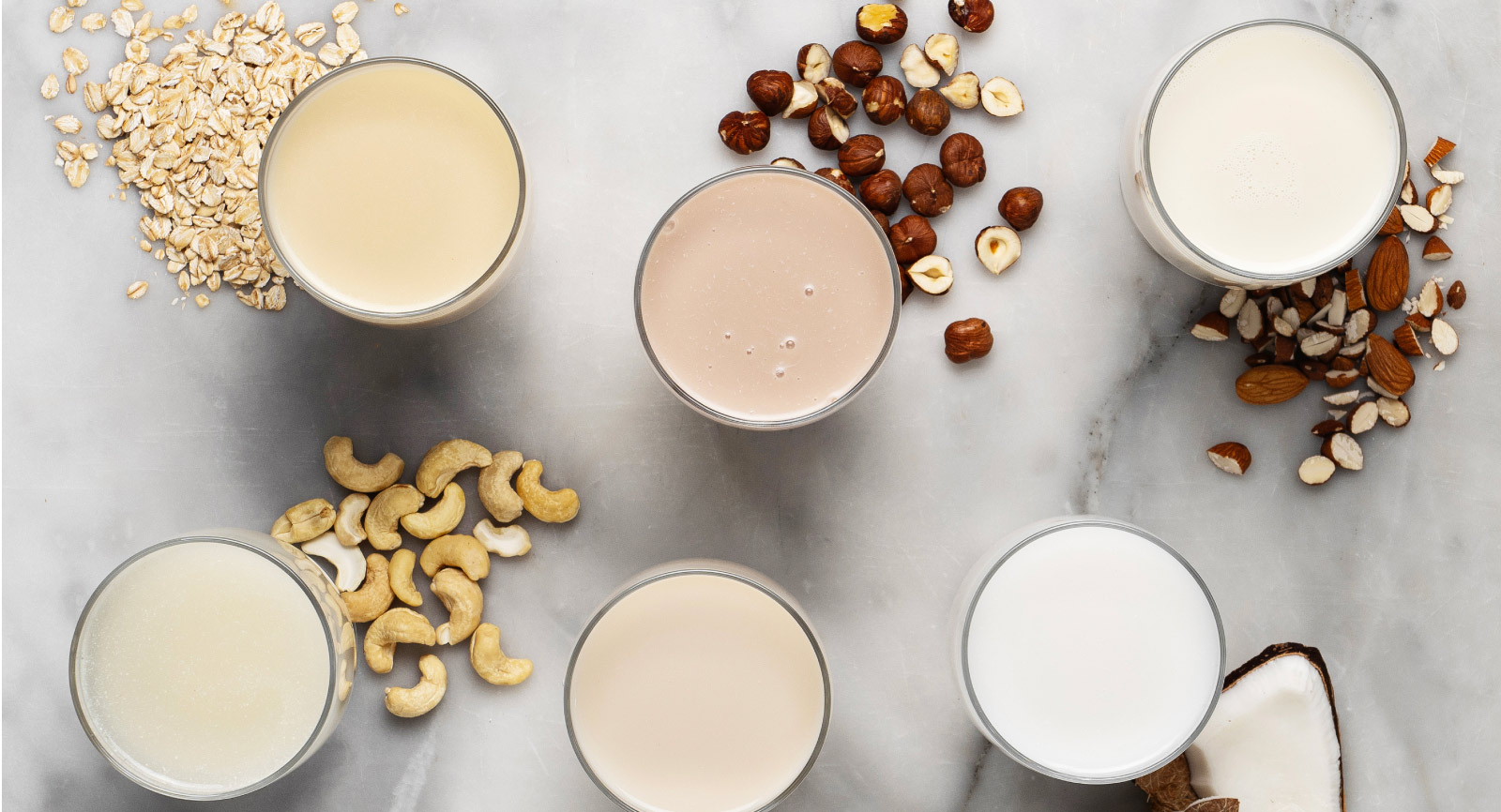
Plant-based Milks
Nutritional value varies widely depending on the type and brand of plant-based milks, especially regarding fortification. Plant-based milks are commonly fortified with both calcium and vitamin D to be comparable to the nutrients in dairy milk. Fortification may also include vitamin B12 and potassium. Some plant milks naturally low in protein may be fortified with protein depending on the brand and product line. When evaluating a food product, refer to its Nutrition Facts label.
Common types:
- Soy milk: closest to dairy milk in terms of protein content and quality as it contains all essential amino acids (7 grams protein per 1 cup)
- Almond milk: low calorie if unsweetened but very low in protein (1 gram protein per 1 cup)
- Pea milk: high protein (7-8 grams protein per 1 cup)
- Oat milk: higher in carbohydrate and fiber content, moderate in protein (3-4 grams protein per 1 cup)
- Coconut milk: high in saturated fat with 4 grams per cup (for context this falls in between dairy 2% milk and whole milk); very low in protein (0 grams protein per 1 cup)
Nutritional Content Comparison of Dairy Milk and Unflavored, Unsweetened Plant-based Milks

Serving = 1 cup (8 fluid ounces or 240 ml.)
Note: the sugar contained in dairy milk is naturally occurring from lactose
Taste and Culinary Uses
Each milk has its unique culinary behaviors and flavor profiles:
- Coconut milk has distinctive flavor ideal for tropical dishes, rich and creamy consistency; excellent in curries, desserts such as pudding or custard; less versatile otherwise
- Dairy froths well for lattes; bakes reliably; offers rich, creamy flavor
- Soy curdles with acidity but works well in savory dishes and baking applications
- Almond milk is used commonly for smoothies; is versatile with mild flavor but thin in texture
- Oat milk is the best nondairy foam choice for coffee; has creamy texture and natural sweetness
Conclusion: Which Milk is Best?
There is no universally superior choice. It depends on your unique circumstances and preferences.
- For protein and overall naturally occurring nutrition: dairy, soy or pea milk
- For taste and versatility: dairy, almond or oat milk
- For lowest calorie content: unsweetened, unflavored almond milk
- For dairy-free and nut allergy options: soy, oat or pea milk
Whichever milk or milk alternative you decide to consume depends on your needs and preferences. Schedule a one-on-one consultation with a Cooper Clinic registered dietitian nutritionist to build a healthy eating program. Visit cooperclinicnutrition.com or call 972.560.2655.
Article provided by Cynthanne Duryea, RDN, LD, and Cooper Clinic Nutrition.