
Wrinkles, crow’s feet and laugh lines often appear with age. For many years, Botox® and Dysport® have been used to treat aged skin, cosmetically. But these FDA approved treatments can be used for much more than outward appearances alone. Ramya Kollipara, MD, Cooper Clinic Preventive and Cosmetic Dermatologist, shares the increasing number of benefits of Botox®—both cosmetic and medical—that have been discovered.
What is Botox® and is it Safe?
Botulinum toxin type A, Botox®, is a purified protein that blocks impulses to muscles and sweat glands. Botox® and Dysport® are highly regulated neurotoxin injections used for both cosmetic and medical applications to temporarily stop nerve stimulation of muscles and sweat glands in small finite regions such as facial expression muscles or underarm sweat glands. The prescription medicine is injected into the skin by a trained professional and is a minimally invasive procedure. The muscles under the skin at the injection site temporarily stop contracting, which leads to smoothing of “frown lines” and “laugh lines” with the appearance of decreased aging. Underarm sweating is reduced when Botox® is injected in the underarms and lasts up to six months.
Safe for almost everyone, if performed by a trained and experienced physician or nurse, Botox® has become a widely used product. Botox® works to affect a very small area surrounding the injection site, typically about an inch, making the risks minimal. Temporary side effects may occur such as bruising and injection site pain.
Individuals who are pregnant, breast feeding, have neuromuscular disorders and myopathies or allergies to the neurotoxins may be advised to seek alternate treatment options. Your doctor will be able to advise you on the appropriate cosmetic or medical treatment for your individual needs.
Cosmetic Applications
Botox® and Dysport® are commonly used to reduce and control the effects of aging and stress that occur over time. Benefits of injections include the reduction of horizontal forehead lines, crow’s feet, frown lines and the look of stress as we age. In addition, Botox® complements the use of facial fillers to achieve youthful effects. Treatment for cosmetic Botox® such as forehead lines and crow’s feet typically lasts three to four months. When the lines begin to return, treatment can be repeated to maintain the desired result.
Medical Applications
While Botox® is most commonly used for cosmetic purposes, many medical applications of Botox® injections also exist:
- Axillary hyperhidrosis (excessive underarm sweating)
- Chronic migraines
- Facial muscle “tics”
- Cervical dystonia (involuntary movement of neck muscles causing your head to twist or turn to one side)
- Overactive bladder
- Excessive grinding and clenching of the teeth and jaw
Botox® helps pause involuntary movements associated with medical conditions such as cervical dystonia. Chronic migraines and excessive underarm sweating can be hard to manage and affect daily life, but with the use of Botox®, these conditions can improve.
This nonsurgical treatment continues to grow in popularity due to its increasing number of safe and effective applications. New non-cosmetic uses for Botox® are discovered almost every year. Botox® and Dysport® are considered safe for most people but it is important to talk with a qualified medical specialist to determine if either of these treatment options are right for you.
For more information about Botox® treatments or to schedule a consultation at Cooper Clinic Dermatology, visit cooperclinicdermatology.com or call 972.367.6000.
Article written by Ramya Kollipara, MD, Preventive and Cosmetic Dermatologist at Cooper Clinic.
Stepping outside to read a book or have lunch can benefit your health more than you think. A 2022 study shows people in the U.S. spend 90% of their time indoors, inhaling poor quality indoor air which can affect health conditions such as asthma and heart disease. Going outside for a little sunshine and fresh air can benefit your health by improving your immune system, sleep, mental health and eye health.
Benefits of Spending Time Outdoors
Strengthens the Immune System
The first benefit most people think of when going outside is increasing vitamin D. The sun emits ultraviolet rays. Once those rays touch your skin, the body synthesizes their rays and creates vitamin D. Increasing your vitamin D levels helps improve your immune system and fight colds and flu.
Airborne plant chemicals called phytoncides can also help with improving the immune system. Phytoncides help increase white blood cell activity, which helps protect the body. While blood cells locate and attack infections in the blood stream with antibody proteins that attach to the infection and eliminate it.
Increases Movement
While outside, you typically perform activities requiring more movement than indoor activities. Increasing your movement helps improve your cardiovascular health. For example, instead of exercising in a gym, take your workout outside. Outdoor workouts are often described as green exercising and many gyms and fitness centers are adding outdoor workout opportunities for their members. I don’t use a treadmill unless there’s an ice storm. Instead, I go for my daily walks on a track.
Improves Sleeping Patterns
In addition to improving your physical health, spending time outdoors can improve your sleep patterns. Going outside 10-30 minutes after you wake up every day can help your circadian rhythm. Circadian rhythm is how your body calculates its internal clock and helps you determine when it’s time to wake up using sunlight as a trigger to decrease melatonin in the brain and increase cortisol to help you wake up.
Read other ways to improve your sleep in our Prevention Plus article, The Power of Sleep.
Supports Mental and Cognitive Health
A 2021 study showed extended exposure to nature is linked to improvements in mental and cognitive health. Being in a natural environment can improve memory, attention and cognitive flexibility, the ability to adapt to changing environments.
You can also improve cognitive health by joining outdoor clubs, such as gardening or walking club, and participating in outdoor social activities. Joining these groups allows you to interact with others who have similar interests. In the Prevention Plus article, Community Health: Connection Matters, Suzanne T. Pham, MD, FAAP, Cooper Clinic Preventive Medicine Physician, shares how finding a community can help improve chronic stress.
Improves Eye Health
With so much technology incorporated into our daily lives—at work, school and home—we forget to let our eyes rest, causing eye strain. In addition to eye strain, you can also experience myopia or nearsightedness. According to American Optometric Association, the 20/20/20 method is the best way to prevent eye strain. You take a 20-second break every 20 minutes and look at something 20 feet away. During one of these breaks, you can also take time to step outside and look at nature.
Outdoor Activities to Consider
Going outside doesn’t require intense outdoor activities such as hiking or swimming. Simply finding an activity you enjoy, such as going for a walk or eating a meal outside, can benefit you. Outdoors I like to run and do anything that improves my aerobic capacity and reduces cardiovascular risks.
Even while you’re at the office or in school, stepping outside can help reduce mental fatigue, lower stress levels and foster creativity. If your office has green spaces, take the opportunity to work outside or have a meeting in these spaces. This benefit your co-workers as well.
Invite your friends and family to spend time outdoors with you. Whether it’s taking a walk in the neighborhood, having a picnic, meeting at a local park or simply relaxing in the backyard, there are plenty of ways to enjoy nature together. Choose an activity everyone will enjoy and pick a time that works for the group. Spending time outside is a great way to stay active, strengthen relationships and make lasting memories.
Additional Tips for Enjoying the Outdoors Safely
- If you suffer from seasonal allergies and avoid going outside for that reason, take daily over-the-counter allergy medicine.
- Sun safety is also important. Remember to apply sunscreen every couple of hours with at least 30+ UV protection. Read Staying Safe in the Sun Using Sunscreen to learn more.
- No matter what time of year, staying hydrated is also key to enjoying the outdoors safely. Carry a reusable water bottle with you everywhere you go. Read Hydration 101 and learn more about the risks when you don’t drink enough water.
Take a break from the indoors and enjoy all nature has to offer, both mentally and physically. If you haven’t seen your health care provider recently, now is a good time to make an appointment. For more information about Cooper Clinic or to schedule a comprehensive preventive exam, visit cooper-clinic.com or call 866.906.2667.
Article written by J. Blake Bolin, MD, FAAFP, Preventive Medicine Physician at Cooper Clinic.
Having an unhealthy gut can negatively impact your health. Gut health affects the immune system, mental health, cardiovascular system, sleep and digestion. While good nutrition and exercise can make a difference, understanding what’s going on inside the body is important. Cooper Clinic Gastroenterologist Andrew Gottesman, MD, shares three most common health conditions he finds with Cooper Clinic patients during their GI visits:
- Colon cancer and colon polyps
- Gastroesophageal reflux disease (GERD)
- Irritable bowel syndrome (IBS)
1. Colon Cancer
“Colon cancer affects 1 in 20 people, but 90% of the time it is completely preventable,” says Dr. Gottesman. Colon cancer arises from colon polyps, benign growths in the colon, which are found in 30-40% of the population over age 45. Not all polyps are pre-cancerous. While doing a colonoscopy, your GI doctor may identify polyps and completely remove them. “Even if the biopsy comes back negative, it is still recommended that the polyps be removed to ensure they do not turn into cancer in the future,” says Dr. Gottesman. “The removal of polyps greatly decreases the risk of developing into cancer cells by 90%.”
The Centers for Disease Control and Prevention recommends all individuals over the age of 45 who have no personal or family history of colon cancer or colon polyps undergo colonoscopy. Cooper Clinic recommends its patients to start colonoscopies at the age 40. “Colonoscopy isn’t just meant to find colon cancer, but to find colon polyps and remove them to prevent colon cancer.” In a group of 100 people, Dr. Gottesman says 40% of the time he will find pre-cancerous polyps during a screening.
For those with a family history of colon cancer or colon polyps, Dr. Gottesman shares, “if your sibling is diagnosed with colon cancer or colon polyps at the age of 45, it is recommended to get screened 10 years before your sibling’s age, so you would start your screening at the age of 35.” Based on your results, your GI doctor or pathologist will determine the frequency of your routine screenings.
Unfortunately, many patients with colon cancer and colon polyps have no symptoms. But warning symptoms which should be further evaluated by your gastroenterologist include:
- Rectal bleeding
- Anemia
- Unexplained weight loss
- Change in bowel habits
2. Gastroesophageal Reflux Disease (GERD)
GERD is a common condition affecting nearly 20% of adults, where acid in the stomach flows backwards into the esophagus. This acid irritates or burns the lining of the esophagus. Common symptoms include:
- Heartburn, a burning sensation in the chest, often after eating or lying down after eating
- Regurgitating after eating a meal
- Chest pain
- Difficulty swallowing
If frequent heartburn is left untreated, it can permanently damage the lining of the esophagus, leading to strictures (narrowing of the esophagus) and changes to the lining of the esophagus, Barrett’s esophagus, which can lead to esophageal cancer. “GERD literally burns the lining of the esophagus,” says Dr. Gottesman.
What causes GERD?
- Eating within four hours before bed
- Taking certain medications such as Advil, Motrin, Nuprin, Excedrin, Anacin and Bufferin
- Consuming alcohol
- Using nicotine
- Obesity
Lifestyle changes are most important to decrease the likelihood of developing GERD. Most importantly, avoid eating or drinking within 4 hours of going to sleep, limit alcohol and stop smoking.
If you continue to have mild reflux, elevating the head of the bed is often helpful. If symptoms continue, Pepcid, Prilosec or famotidine are over-the-counter remedies which reduce stomach acid and decrease the frequency of GERD.
3. Irritable Bowel Syndrome (IBS)
“Irritable bowel syndrome (IBS) is most common in younger people,” explains Dr. Gottesman. IBS is a miscommunication between the gut and brain. The gut has its own nervous system called the enteric nervous system; this system communicates with the brain’s central nervous system. With IBS, communication gets disrupted causing bloating, distension and irregular bowel movements such as constipation and diarrhea, typically worsening throughout the day. Blood work, colonoscopy and CT scan are generally normal. Interestingly, patients with IBS have a visceral hypersensitivity, where people feel a mild stimulus much more strongly than others.
IBS can sometimes be difficult to treat but is generally manageable. Many people get better by simply changing their diet. “I recommend patients with IBS to start on a restricted diet called FODMAP,” says Dr. Gottesman. FODMAP stands for fermentable oligosaccharides, disaccharides, monosaccharides and polyols and this diet avoids sugars that cannot be properly digested. “The FODMAP diet works about 50% of the time,” says Dr. Gottesman. For patients who do not respond well to a low FODMAP diet, another option is using a very low-dose of an antidepressant such as amitriptyline. This increases the level of serotonin in the gut, which is thought to relieve many of the symptoms of IBS.
Learn more about how to keep up with good gut health with the Prevention Plus article, Staying Proactive on Gut Health.
Take the first step to improving your gut health by scheduling a GI consultation. Cooper Clinic Gastroenterology provides on-site colonoscopy and endoscopy using the latest technologies. Our practice surpasses the national standard. Andrew Gottesman, MD, a board-certified gastroenterologist and our nursing staff, with nearly 30 years of experience, provide personalized care and a clear picture of our patients’ health. A limited number of patients are seen daily with flexible scheduling and thorough pre- and post-procedure follow-up. Call 972.560.3255 to schedule an appointment.
In Kenneth H. Cooper, MD, MPH, Cooper Aerobics Founder and Chairman’s 8 Steps to Get Cooperized ™, managing stress is key to bettering one’s physical and emotional health. Stress can cause a multitude of health problems including high blood pressure and an elevated resting heart rate as well as lead to weight gain. With the fast pace of life, stress can build and implode on itself if not managed, which results in burnout. Dr. Cooper always says, “it’s not stress that kills, it’s the way you manage it.”
Mindful meditation is an effective technique for managing your stress. This type of meditation focuses on your present self and becoming aware of your experiences such as your current emotions and sensations you feel in your body. Mindfulness allows you to evaluate how you feel in the moment with the help of breathing techniques. Finding the best breathing technique can depend on the position you decide to meditate in. Professional Fitness Trainer Clay Fredrickson, DPT, PT, at Cooper Fitness Center, shares three breathing techniques you can try while meditating.
Benefits of mindful meditation:
- Reduces blood pressure
- Reduces inflammation
- Reduces cortisol
- Improves sleep
When practicing mindful meditation, it’s important to set intentions. Decide what is important to you and how you want to live your life. Calm.com says to ask yourself, “how do I want to live?” Your answer will help you determine what to think about while meditating.
Getting Started with Mindful Meditation
Meditation can be daunting, especially if you’re unsure of what to focus your mind on and don’t know how to begin. It’s important to remember:
- Find a place where you can be alone
- Loosen up parts of your body that are tense
- Breathe in through your nose and breathe out through your mouth
If it’s your first time trying meditation, guided audio meditations are available online. These audio guides are meant to help you focus and remember why you are meditating. If you plan to have a quick meditation session during your lunch break, an hour before bed or right when you wake up, guided meditation audio is available in both long and short forms.
A multitude of apps are available to download onto your smartphone, allowing you the opportunity to meditate no matter where you are. Some examples include:
- Headspace
- Calm
- Smiling Mind
- Waking Up
These apps can guide you on the type of mindful meditation you want to focus on such as bettering your sleep, creating connections with people and stress management.
Like any new habit, setting aside a time for your mindful meditation is key to having consistency. No matter if you’re on a walk, going to bed, waking up or taking a quick break from your busy day, guided meditation can better your meditation experience which can lead to you feeling better physically and mentally.
Don’t feel discouraged if you can’t meditate for a full 20 minutes. A minimum of two minutes is a great start and gradually increase over time.
If you haven’t seen your health care provider recently, now is a good time to make an appointment. For more information about Cooper Clinic or to schedule a comprehensive preventive exam, visit cooper-clinic.com or call 866.906.2667.
Article written by Riva L. Rahl, MD, Cooper Clinic Platinum Medical Director and Preventive Medicine Physician.
When was the last time you cleaned out your medicine cabinet? Using expired medication can be less effective and in medical emergencies, may be risky. Expired medications also increase the risk of bacterial growth according to the U.S. Food and Drug Administration.
Knowing What Medications You Have
You should clean out your medicine cabinet at least every six months. It can seem daunting, especially if you do not know what should stay or be discarded.
When cleaning out your cabinet, ask yourself three questions to determine if you should keep a medication or discard it:
- Is the medicine past its expiration?
All medications have their own expiration date—throw away any medication that is expired or is close to expiration. Expired medications may have reduced potency after expiration. The potency cannot be guaranteed beyond the expiration date. - Is the medicine still of good quality?
Medications that are clumped together, melted or have a change in color or odor, should be discarded. These changes can affect the potency of the medication, and if taken could cause harmful effects or lack of desired effect (for example heart or blood pressure medication). - Do you still need this medication?
Do you still have antibiotics or a medicine prescribed to you from the last time you were sick? If you have any medications that you no longer need, the medicine may already be expired or no longer have the potency it once had.
Restocking
Now that you have removed the medicine you no longer need, it is time to check if you have any medicine that may need refilling or restocking. When it comes to refills, reaching out to your primary care physician is the best way to start. When you meet with your physician, they can determine if you still need the same medication, if your dosage needs to change or if you have started taking any other medication that may impact the effectiveness of the original medication.
When it comes to over-the-counter medicine, it’s a good rule of thumb to have a years’ worth of medicine. Below are some recommendations of medicines you should have on hand:
- Over-the-counter pain relievers
- Ibuprofen
- Acetaminophen (in limited supply)
- Oral antihistamine
- Low potency topical steroid such as Cortaid®
- Antidiarrheals like Milk of Magnesia or Pepto-Bismol®
It’s important to remember that purchasing excess quantities of unused medications can contribute to medical waste. Estimate how many capsules or bottles you expect to use in a year and avoid accumulating excess quantities.
Proper Storage
While it’s common to have a medicine cabinet in the bathroom, it’s not recommended for storing medications. A bathroom can get hot and humid, which may cause medications to lose their potency. A kitchen is the next best spot, but only if it’s far away enough from the stove or oven where the medications won’t be exposed to elevated levels of heat. In general medicine cabinets should be in an accessible place, that remains at room temperature and dark. Depending on some medications, some may need to be refrigerated. A few examples include:
- Insulin injections
- Eye drops
- Probiotics
Pillboxes are a popular way to store medication if people need an easier way to organize their daily intake of medicine or simply save space while traveling. Be cautious when using pill containers and avoid leaving the boxes in a hot or moist place. This can cause the medications to melt together so they are no longer usable.
In addition to finding a proper storage location, it’s important to have the medicine cabinet at least five to six feet from the ground. Placing a medicine cabinet at this height can keep children, cognitively impaired people and pets safe from consuming a dangerous medication that could harm them. In addition to having the cabinet in a high place, installing a child-lock or a key can also be a bonus to keep family members safe.
How to Dispose of Medication
The most common place to get rid of expired food is typically the trash can or garbage disposal, but this is not the case for medications. All medications have instructions on how to properly dispose of the medication. Some disposal options may even include flushing them down the toilet, but that is not the best solution. Flushing certain medications down the toilet can contribute to contamination of water systems, this may potentially affect human health through drinking water exposure. This also poses risk to fish and other species of aquatic ecosystems. In many cases, it is recommended to safely dispose of medications by taking them to Take Back Programs. A Take Back Program, sometimes led by law enforcement agencies, designates certain dates where you can bring unwanted or expired medication for disposal. Simply pack the unwanted medication into a bag that can be sealed and bring to a Take Back Program in your area. Your local pharmacy may also allow you to drop off unwanted medications.
Don’t take the risk of falling ill or not having the proper medication on hand when you need it the most. If you still have questions about your prescription medications and how to best store them, contact your primary care physician or your local pharmacy for more information.
To schedule a comprehensive preventive health exam at Cooper Clinic, visit cooper-clinic.com or call 866.906.2667.
Article written by Kimulique H. Allen, MD, Cooper Clinic Preventive Medicine Physician.
Humans are naturally wired for connection. Strong social relationships play a vital role in emotional well-being, mental resilience and overall health. Yet many people today are experiencing increasing levels of social stress and disconnection. According to the Stress in America™ 2025 survey, more than six in 10 U.S. adults report societal division as a significant source of stress in their lives. In addition, more than half of adults say they have felt isolated at times, and about half report feeling left out or without companionship either often or some of the time.
Social isolation and loneliness can occur for many reasons. Life transitions such as moving to a new area, changes in relationships or friends and family relocating can make it more difficult to maintain regular connections. Physical or mental health challenges may also limit social interaction. In some cases, unrecognized hearing or vision changes can cause individuals to withdraw from conversations or social activities because it becomes more difficult to participate comfortably.
Loneliness can affect both emotional and physical health. When the brain perceives social isolation, it can trigger a stress response and lead to persistently elevated cortisol levels. Research continues to show chronic loneliness can influence the body in ways similar to other forms of prolonged stress. Over time, this chronic stress response may contribute to or worsen several health conditions, including:
- Increased blood pressure and cardiovascular disease risk
- Greater risk of heart attack and stroke
- Cognitive decline and increased risk of dementia
- Higher rates of depression and anxiety
- Sleep disturbances and reduced sleep quality
- Weakened immune function and increased susceptibility to infections
- Increased systemic inflammation
- Greater risk of abdominal weight gain and insulin resistance
- Hormonal changes, including reduced sex hormones
- Increased risk of early mortality
Finding a Group for You
Your community is not limited to the people who live nearby. Meaningful connections can also form through shared experiences, interests and hobbies. Many people find a sense of belonging through groups that bring individuals together around common values or activities.
Four types of social groups to consider—or recommend to others—include:
1. Volunteer or Service Organizations
Volunteer groups provide opportunities to give back while also building meaningful relationships. Working alongside others toward a shared purpose often creates strong connections and a sense of fulfillment.
2. Spiritual or Religious Communities
Spiritual or faith-based communities can offer a place to connect with individuals who share similar values, beliefs and traditions. These groups often provide a sense of belonging, support and familiarity.
3. Work-Based Communities
Co-workers, professional organizations and industry associations can provide regular opportunities for connection through meetings, collaboration and shared goals. These interactions help strengthen relationships while also maintaining a sense of professional identity. Activities such as mentoring others or participating in team projects can further reinforce your role within your organization.
4. Sports or Recreational Groups
Sports teams and recreational groups can foster a sense of belonging and teamwork. Working toward shared goals—whether improving performance, staying active or competing—naturally strengthens social bonds while also supporting physical health.
The Health Benefits of Staying Connected
Participating in community activities or joining social groups can provide meaningful benefits.
Emotionally
Being part of a community helps reduce feelings of loneliness and lowers the risk of depression. Social groups provide a sense of belonging, support and purpose while allowing individuals to both receive and offer encouragement.
Cognitively
Engaging in conversations and group activities stimulates the brain and supports memory and cognitive function. Regular social interaction helps maintain attention, problem-solving abilities and mental engagement.
Physically
Many community activities involve movement and physical participation. Staying active supports cardiovascular health, helps maintain healthy blood pressure and reduces the risk of insulin resistance.
Behaviorally
Being around others who practice healthy habits can be influential. Observing peers who prioritize exercise, good sleep and overall wellness can motivate individuals to adopt similar behaviors.
How to Help Someone Experiencing Loneliness
Individuals who feel lonely or disconnected often show subtle signs. A person may begin spending more time alone than usual, decline invitations they previously accepted or withdraw from activities they once enjoyed. They may also appear more anxious, down or easily irritated.
If you notice these changes in someone close to you, small acts of support can make a meaningful difference. Simple invitations can be a helpful first step. For example: “Would you like to come with me to ______?”
Inviting them to an activity that’s low-pressure and flexible can make participation easier. Short outings or activities where conversation is not the primary focus—such as crafts, volunteer work or walking—can help individuals feel more comfortable.
Transportation may also be a barrier for some people. Offering a ride, helping arrange transportation or assisting with rideshare or public transit can make participation easier.
Creating Your Own Community
If you cannot find a group that fits your interests, consider starting one of your own. Community can grow naturally from shared activities such as a book club, walking group, gardening group or volunteer effort. Beginning with a small group is often the easiest way to build momentum and expand over time.
When creating a community group, it can be helpful to include:
- Activities that welcome people of different ages and backgrounds
- Events that are inviting to new members and long-standing participants
It is also important to normalize conversations about loneliness. Many individuals feel hesitant to admit they are struggling with isolation. Creating an environment where people feel safe discussing their experiences can foster deeper connection and support.
Taking the first step toward joining or building a community can have meaningful benefits for both mental and physical health. Even small connections—sharing a meal, joining a group activity or volunteering alongside others—can help strengthen relationships and create a sense of belonging. Loneliness can affect anyone at different stages of life, which is why staying connected with friends, neighbors and family members remains an important part of maintaining overall health and well-being.
If you haven’t seen your health care provider in a while, now is a good time to make an appointment. For more information about Cooper Clinic or to schedule a comprehensive preventive exam, visit cooper-clinic.com or call 866.906.2667.
Article written by Suzanne T. Pham, MD, FAAP, Cooper Clinic Preventive Medicine Physician.
Traveling abroad is a great way to make unforgettable memories. While traveling is fun, getting sick in the middle of your trip isn’t, especially if you’re not prepared. When people plan a trip, they have an itinerary full of hotel stays, places to eat and attractions to visit, but they often lack a proper travel medicine plan.
Immunizations
Once you begin planning an international trip, it’s important to contact your health care provider to discuss your destination and any recommended immunizations or health precautions. Immunizations should ideally be received four to six weeks before travel to ensure the vaccines are fully effective.
Recommendations vary by country, so for the most accurate and up-to-date information, visit the Centers for Disease Control and Prevention (CDC) and World Health Organization (WHO) websites. Common pre-travel vaccinations include:
- Hepatitis A and B
- Typhoid
- Yellow fever
To learn more about the importance of immunization, read the Prevention Plus article, Immunization: Protecting Yourself and Your Family.
Medications and Emergency Plans
When packing your carry-on luggage, remember to pack your prescription medicine (in their original containers) and copies of your medication just in case you lose your medication or your trip is longer than expected. It’s also good to pack non-prescription medicine, for example pain and nausea medications; you could be traveling to a place where your medications are not readily available over the counter. You’ll also want to familiarize yourself with the local emergency health services available at your destination should you run out of medications and/or need to see a doctor. In some cases, purchasing travel health/evacuation insurance can save you time and money. Benefits to having travel insurance include:
- Many U.S. health plans don’t cover international care or they reimburse very little. Travel health insurance can help cover some of the costs.
- Most travel insurance plans include 24/7 assistance services that help you find reputable hospitals, English-speaking physicians and specialists without you having to research while sick or stressed.
- Knowing you’re covered lets you focus on enjoying your trip instead of worrying about worst-case scenarios.
Avoiding Travel-related Illnesses
When traveling, it’s important to be mindful of germs, potential contaminants and other factors—such as insect bites and altitude changes—that can cause illness. Contaminated food and water are two main causes of sickness while traveling. Below are precautions to consider:
Water precautions:
- Use bottled water with an unbroken seal for drinking and brushing your teeth.
- Travel with your own water purification products.
- Drink sodas or sports drinks from sealed cans and bottles.
- Use ice made from bottled water only.
- Drink hot coffee and tea made with boiled water.
Food precautions:
- Avoid purchasing food from street vendors.
- Avoid restaurants with poor sanitation or hygiene practices.
- Eat food that is cooked and still hot, not raw or at room temperature.
- Eat food from sealed packages.
- Eat hard-cooked eggs, not runny eggs.
- Eat fruits and vegetables you can peel yourself or wash with safe water.
- Consume pasteurized dairy products.
Monitoring Health Upon Return
After returning from vacation— even if you avoid illness during your trip—it’s still important to monitor your health. Some travel-related illnesses can appear weeks or even months after you return, potentially putting you and others at risk. Watch for symptoms such as:
- Fever or night sweats
- Diarrhea, blood in your stool or changes in bowel habits
- Cough, rash or jaundice (yellow skin)
- Fatigue or weight loss
If you experience any of these symptoms, it’s important to meet with your doctor and avoid contact with those who are immunocompromised.
Planning ahead and taking recommended precautions can help you stay healthy and make the most of your travels. Cooper Clinic offers travel medicine services, including consultations and immunizations, so you can explore the world with confidence and peace of mind. Visit Cooper Clinic’s Travel Medicine web page to learn more. To make a Travel Medicine appointment, call 972.560.2667 or email travelmedicine@cooper-clinic.com.
Article written by Mita Patel, PA, Cooper Clinic Physician Assistant.
The development of atherosclerosis, or hardening of the arteries, is a process that begins early in life and can culminate decades later in clinical events such as heart attack, coronary artery revascularization (stents and bypass surgery) and stroke. Much basic science and clinical work has been done to understand this process in an effort to identify clinical interventions that can prevent or slow this systemic process.
More than a century ago, early investigators identified both inflammatory cells (part of the immune system) and fatty cholesterol deposits in the inner lining of arteries with established atherosclerotic disease. In terms of these two pathological pathways, our early efforts in atherosclerotic cardiovascular disease prevention focused primarily on reducing the accumulation of lipids in the arterial wall through interventions that lower LDL (bad) cholesterol (dietary change or medication use).
Since those initial observations, numerous scientific studies led to the notion that atherosclerosis develops following an injury to or dysfunction of the lining of the arterial wall (called the endothelium) that stimulates the immune system causing an inflammatory response to promote repair of the injured artery wall lining. In 1999, a pathologist named Russell Ross published a landmark paper that formally characterized atherosclerosis as an inflammatory disease which starts with endothelial dysfunction that then leads to various degrees of inflammatory response (N Engl J Med. 1999; 340:115–126). Causes of endothelial dysfunction include high levels of LDL cholesterol, cigarette smoking, hypertension and diabetes which later also became clinical targets for primary and secondary prevention of atherosclerotic cardiovascular disease.
In 2002, experts in the field of atherosclerosis convened to discuss markers of inflammation that could be measured during a routine clinical examination to identify individuals at high risk for developing heart disease or stroke (Circulation. 2003;107:499-511.). These blood test markers included high-sensitivity C-reactive protein (hs-CRP), white blood cell (CBC) count and fibrinogen (a precursor to fibrin, the main structural protein of blood clots, that also is an acute phase reactant that can increase dramatically during bouts of inflammation or infection).
Ultimately, hsCRP was identified as a risk marker that could be routinely measured in the blood and was independently associated with the development of cardiovascular events, joining the list of cardiovascular disease risk factors such as cholesterol, smoking, body mass index, diabetes, hypertension, exercise level and family history of premature heart disease. Kenneth H. Cooper, MD, MPH, Founder and Chairman of Cooper Aerobics shares “more than 20 years ago, measuring hsCRP became part of the annual examination at Cooper Clinic in 2004.”
With the use of the hsCRP blood test, researchers were able to quantitatively identify the relationship between inflammation and the risk of experiencing a cardiovascular disease event. In general, levels of hsCRP <1, 1 to 3, and >3 mg/L connote lower, moderate and higher relative cardiovascular risk, respectively, when interpreted in the context of other traditional cardiovascular risk factors. Importantly, hsCRP levels ≥ 2.0 mg/dL (associated with moderate cardiovascular risk) may be present in as any many of 50% of U.S. adults (Journal of the American College of Cardiology Volume 54, Issue 25, 2009, Pages 2388-2395).
Based on this wealth of clinical data, the role of chronic inflammation has now taken center stage in the settings of both primary and secondary prevention of atherosclerotic cardiovascular disease. In 2025, the American College of Cardiology released a scientific statement summarizing these clinical advances and provided a table of consensus recommendations. For individuals without a history of cardiovascular disease (primary prevention group), these experts recommend at least one measurement of hsCRP to assess cardiovascular risk. If it is high, the importance of a healthy diet, regular exercise, cigarette cessation and obtaining/maintaining a healthy weight (all of which have been shown to reduce hsCRP) cannot be over-emphasized. Anti-inflammatory dietary patterns include the Mediterranean diet and the DASH diet. Recommendations for regular physical activity are at least 150 minutes per week of moderate intensity exercise or 75 minutes per week of high intensity exercise. Consideration also ought to be given to treating high LDL cholesterol with statin medication in the setting of a high hsCRP.
For individuals who have already been diagnosed with cardiovascular disease, the presence of an elevated hsCRP may impact treatment recommendations regarding LDL treatment targets (lower in the setting of inflammation). Some clinical trial data suggest the use of other therapies (such as low dose colchicine) specifically focused on reducing inflammation may also be associated with risk reduction in patients with established heart disease.
The scientific story regarding the link between inflammation and atherosclerotic cardiovascular disease is far from complete. Many evidence gaps remain. Many questions remain to be answered through scientific research including interactions among inflammation, genetics and environmental factors as well as improved health habits and drug prescriptions for cardiovascular disease prevention.
Cooper Clinic’s annual preventive exam includes hsCRP testing as part of the standard blood work. To learn more about Cooper Clinic preventive exams and how an annual exam can help you manage and improve your health, visit cooper-clinic.com or call 866.906.2667.
Article provided by Kenneth H. Cooper, MD, MPH, Founder and Chairman of Cooper Aerobics, and Nina B. Radford, MD, FACC, Cardiologist at Cooper Clinic.
Drumroll please…In 2025, the publication of an updated Hypertension guideline was eagerly welcomed by health care providers across a wide range of medical specialties. This long-awaited collaboration of more than a dozen clinical organizations replaces the 2017 guidelines and addresses Prevention, Detection, Evaluation and Management of High Blood Pressure in Adults. The document reminds us about fundamental risks associated with hypertension, provides clarity about hypertension treatment goals and introduces a few new concepts.
First and foremost, hypertension affects heart and brain health. It is the most prevalent and modifiable risk factor for the development of cardiovascular disease. This umbrella term includes:
- Coronary heart disease: heart attacks, stents and bypass
- Heart failure
- Atrial fibrillation
- Stroke
- Dementia
- Chronic kidney disease
- All-cause mortality
Blood Pressure Basics
Blood pressure readings have two values. The top number is the systolic blood pressure (SBP) and the bottom number is the diastolic blood pressure (DBP).
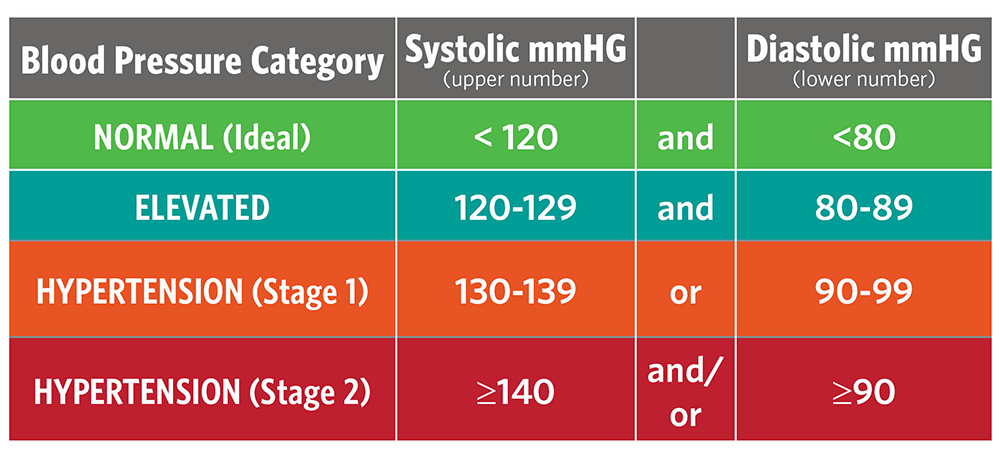
Data from a large survey of U.S. adults administered between 2017 to 2020 showed that overall, almost 50% of adults had blood pressure > 130/80 mmHg or were taking medications to treat high blood pressure. Although the diagnosis of hypertension is often associated with older age, it is common in younger age groups as well. I was surprised to read that in the 18-29 age group, 20% of men and 9% of women had hypertension.
Diagnosing Hypertension
Making the diagnosis of hypertension is not as easy as you may think. Multiple measurements of blood pressure are often required in the clinical office setting and at home. Furthermore, many factors impact accurate measurement of blood pressure including:
- Use of appropriate equipment: appropriately sized arm cuff
- Patient characteristics: no caffeine, exercise and smoking for 30 minutes before the measurement; no talking to office staff or scrolling on the phone
- Patient positioning: sitting, feet on the floor, back supported, arm supported at the level of the heart
- Measurement protocol: at least two measurements taken one minute a part on the same arm
Also, because a person’s blood pressure can vary, an office blood pressure measurement is ideally taken twice on two separate occasions during a clinic visit.
If a diagnosis of hypertension is suspected or treatment of hypertension is initiated, home monitoring of blood pressure is a valuable tool for your health care provider. When choosing a home blood pressure monitor, it is important that the device has been validated for accuracy (validatebp.org) and that the cuff size is appropriate for the size of the arm. Measuring your blood pressure with a cuff that is too small for your arm will often result in over-estimation of blood pressure and may lead to a false diagnosis of hypertension.
The American Heart Association website has excellent resources about home blood pressure monitoring including helpful video tutorials. Visit the Home Blood Pressure Monitoring web page.
Watch Cooper Clinic Exercise Physiologists Cristen Dicken and Ashton Gray share how to properly take an at-home blood pressure test.
Modifiable Risk Factors
Hypertension results from multiple factors including:
- Individual clinical risk factors such as overweight, obesity and obstructive sleep apnea
- Frequent use of medications such as decongestants or NSAIDs (nonsteroidal anti-inflammatory drugs)
- Genetic predisposition
- Health habits such as sedentary lifestyle or poor diet and chronic stress
Thus, a cornerstone of hypertension management is improvement in any modifiable risk factors for hypertension:
- Maintaining or achieving a healthy weight
- Following a heart healthy eating pattern by reducing sodium intake and increasing dietary potassium intake
- Adopting a moderate physical activity program
- Reducing or eliminating alcohol intake
- Managing stress
These updated guidelines add important information about the impact of stress on prevention and management of hypertension. Stress reduction through meditation, breathing control techniques or yoga may be reasonable to prevent or treat elevated blood pressure and hypertension, as an adjunct to changes in other health habits or medication treatment.
Medical Treatment of Hypertension
For all individuals with an average blood pressure ≥ 140/90 mmHg, in addition to making any necessary modifications detailed above, treatment with hypertension medication is recommended.
For high-risk individuals with a personal history of clinical cardiovascular disease, previous stroke, diabetes or chronic kidney disease, and an average blood pressure ≥ 130/80 mmHg, in addition to making any necessary modifications detailed above, treatment with hypertension medication is recommended.
For low-risk individuals (without a personal history of the high-risk conditions listed above) and an average blood pressure ≥ 130/80 mmHg, it is reasonable to focus on modifiable risk factors for hypertension for 3-6 months prior to initiating hypertension medication. The impact of changes in weight, diet and physical activity can add up and may eliminate the need for hypertension medication altogether:
- Consume a diet rich in fruits, vegetables, whole grains and low-fat dairy products
- Reduce content of saturated and total fat
- Reduce body weight by ≥ 5%
- Limit sodium intake to < 2,300 mg/day
- Engage in aerobic exercise for 90-150 minutes per week
- Engage in meditation or device guided breathing control to slow respiration
What many patients may not know is individuals who are diagnosed with hypertension and well treated on medication with average blood pressure levels <120/80 mmHg still have twice the risk for developing cardiovascular disease compared to individuals without hypertension who have average blood pressure levels <120/80 mmHg naturally. Thus, prevention of hypertension is critical!
To schedule a comprehensive preventive exam at Cooper Clinic, visit cooper-clinic.com or call 866.906.2667.
Article provided by Nina B. Radford, MD, FACC, Cardiologist at Cooper Clinic.
There are a number of reasons to see a dermatologist at Cooper Clinic. You may have specific reasons such as acne, acne scarring, melasma, eczema or skin cancer. You may have concerns about a suspicious mole or growth. You may want to reduce signs of wrinkles and age spots. Or you may want to schedule an appointment to get a skin cancer exam. A visual, whole-body examination should be performed once a year. “Visiting the dermatologist for the first time can feel a bit daunting, especially if you’re not sure what to expect. Helen Kaporis, DO, FAAD, Preventive and Cosmetic Dermatologist at Cooper Clinic, shares tips on what to expect.
“The skin is the largest organ in your body,” says Dr. Kaporis. “It is constantly changing, so getting a baseline check is important.”
Prepare for Your Visit
“You can make the most of your dermatologist appointment by being prepared,” said Dr. Kaporis.
Here are some important steps:
- Dress for the Appointment
Wear comfortable clothing that is easy to remove. Dermatologists often require a full-body skin examination, which means you will need to change into a gown. Loose-fitting clothes can make this process smoother and more comfortable.
- Make a List of Medications
Compile a comprehensive list of the medications you are currently taking, including prescription drugs, over-the-counter medications, supplements and vitamins. Some medications can affect your skin and it’s important for your dermatologist to have this information to avoid any potential interactions or side effects.
“Be sure to bring a list of all medications and supplements you are taking,” says Dr. Kaporis, “and show up free of jewelry, hair bands, hair clips and nail polish and remove any makeup so your dermatologist can have an unobstructed view of your skin.
- Note Any Blemishes or Concerns
Before your appointment, take the time to examine your skin and make note of any spots, moles, rashes or other blemishes that concern you. This will ensure you don’t forget to mention anything during your consultation. It can be helpful to write them down, take photos on your phone or circle them on your body to show your dermatologist.
Past Medical History
Your medical history, including that of your blood relatives, is crucial information for your dermatologist. Many skin conditions have genetic components, so knowing your family’s medical history can provide valuable insights.
- Personal Medical History
Be prepared to discuss your own medical history in detail. This includes any past skin conditions or treatments, allergic reactions, surgeries and general health issues. Conditions such as diabetes or autoimmune diseases can influence skin health.
- Family Medical History
Your dermatologist will also want to know about your family’s medical history, particularly any history of skin cancer or other skin conditions. This information can help in assessing your risk factors and tailoring your treatment plan.
Full-body Exam
A full-body skin examination is a thorough check of your skin from head to toe. This examination is essential for detecting skin conditions at an early stage. In particular, the exam is an important part of skin cancer screening.
- Importance of the Exam
Early detection of skin cancer significantly increases the chances of successful treatment. Regular full-body exams can identify issues before they become serious. Even if you feel healthy, these exams are crucial as some skin cancers can develop without noticeable symptoms.
- What to Expect
During a full-body exam, you will change into a gown and the dermatologist will systematically examine your skin. They will look for any unusual moles, spots or lesions. If they find anything suspicious, they may take a closer look using a special magnifying tool called a dermatoscope.
“Expect to dress down to your underwear and put on a gown so your dermatologist can check you from head to toe,” Dr. Kaporis says. “Some dermatologists are faster and some are slower with their skin checks, but what is important is thoroughness. They may use a dermatoscope to better observe certain lesions. Remember, your dermatologist is there to help you with all your skin concerns, even ones you don’t know about yet.”
Discuss Your Concerns and Treatment Options
Open communication with your dermatologist is vital. Don’t hesitate to bring up any skin issues that concern you, no matter how minor they may seem.
- Common Concerns
Some common concerns people discuss with their dermatologist include acne, eczema and signs of aging. Each condition has various treatment options, from topical creams to advanced therapies. Your concerns can be either health-related or specific to cosmetic treatments.
- Treatment Options
Depending on your condition, your dermatologist may suggest treatments such as prescription medications, lifestyle changes or procedures such as cryotherapy or laser treatments. Ask about the pros and cons of each treatment option to make an informed decision.
Skin Care Consultation
One of the key benefits of visiting a dermatologist is receiving professional advice on how to take better care of your skin.
- Personalized Skin Care Routine
Your dermatologist can help you develop a personalized skin care routine, tailored to your skin type and any specific conditions you have. This might include recommendations for cleansers, moisturizers, sunscreens and other skin care products.
- Tips for Healthy Skin
In addition to product recommendations, your dermatologist can offer tips on lifestyle changes that promote healthy skin, such as staying hydrated, eating a balanced diet and protecting your skin from the sun. Your dermatologist may also recommend specific skin care products to improve your skin’s health.
Benefits of Visiting the Dermatologist
Regular visits to the dermatologist offer numerous benefits, from early detection of skin issues to personalized skin care advice.
- Peace of Mind
Knowing a board-certified dermatologist has thoroughly examined your skin and that any concerns are addressed can provide significant peace of mind. This is especially true for individuals with a family history of skin cancer or other serious skin conditions.
- Early Detection and Treatment
Dermatologists are trained to spot signs of skin cancer and other conditions early, which is critical for effective treatment. Early intervention can prevent minor issues from becoming serious health problems.
- Expert Advice
Dermatologists can provide expert advice on a wide range of skin issues, from managing chronic conditions such as acne and psoriasis to improving the overall health and appearance of your skin.
See Our Dermatologists
Regular check-ups can lead to early detection of potential issues, personalized treatment plans and valuable skin care advice, contributing to your overall well-being and peace of mind.
Did you know the Cooper Clinic dermatology team sees patients both through direct appointments and as part of our comprehensive physical exams?
Cooper Clinic Dermatology— cooperclinicdermatology.com | 972.367.6000
Cooper Clinic Preventive Exam— cooper-clinic.com | 972.560.2667